A Viral Phrase Takes Over X
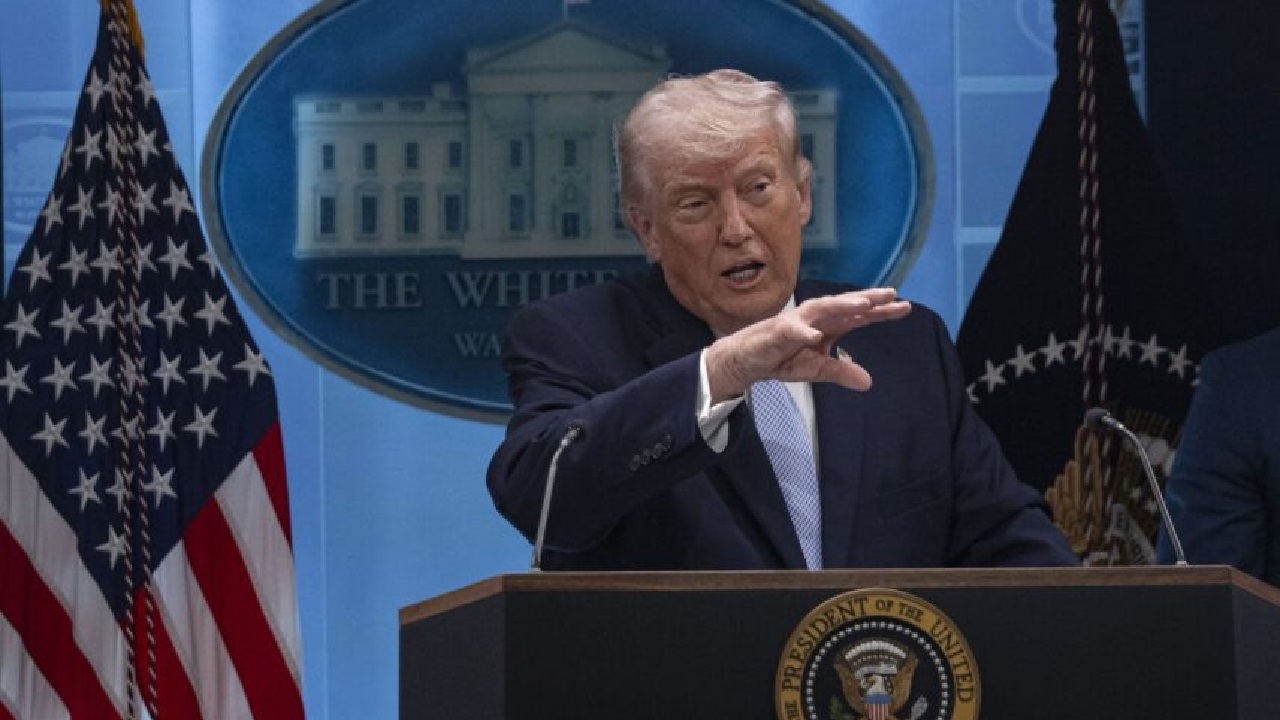
For two days, social media was consumed by one jarring phrase: “Trump Is Dead.” The posts flooded X (formerly Twitter), rapidly propelling the U.S. President’s name into the top global trends. Unlike his usual spikes in online attention—trade wars, campaign rallies, or off-the-cuff comments—this wave of speculation centered on something far more serious: the possibility of his demise.
While the rumours spread like wildfire, the triggers were a mix of health concerns, political remarks, and even a pop-culture reference that collectively fueled an atmosphere of uncertainty.
JD Vance’s “Terrible Tragedy” Remark
Much of the buzz can be traced to an interview given by Vice President JD Vance to USA Today on August 27. When asked whether he was prepared to step into the presidency should “a terrible tragedy” occur, Vance reassured the public that Trump, at 79, was still “fit, energetic, and making calls late into the night.” Yet, his acknowledgment that tragedies cannot be ruled out became the spark for wild speculation.
For Trump’s critics, the statement seemed almost prophetic. For his supporters, it created unease that the Vice President might be preparing to assume the top job. Either way, Vance’s words dovetailed neatly with ongoing debates about Trump’s age and health.
Health Speculation Intensifies
Trump’s health has been under scrutiny for months. In July, the White House confirmed that he suffers from chronic venous insufficiency, a vascular condition causing leg swelling. Long before the announcement, photographs of his swollen ankles and a bruised hand during a meeting with South Korean President Lee Jae Myung had circulated online, stoking concern.
Adding fuel to the fire, Trump has kept a low public profile in recent days, while the U.S. flag at the White House was seen flying at half-mast. For conspiracy theorists, the optics were damning. In reality, the gesture was a mark of respect for victims of the Minneapolis church shooting, which left two dead and 17 injured. But in the frenzied world of social media, nuance was lost.
The Simpsons Connection
The story took an unusual turn when remarks by Matt Groening, creator of The Simpsons, resurfaced. Speaking at Comic-Con in July, Groening joked that the show would only end when “you-know-who dies,” adding that “there will be dancing in the streets—unless President Vance bans dancing.”
Given the animated series’ long reputation for eerily accurate predictions about Trump—including storylines of his presidential runs in 2000 and 2015—the comment was enough to amplify the online hysteria. Once paired with Vance’s “terrible tragedy” comment, the phrase “Trump Is Dead” became clickbait gold.
Past Rumours and Digital Hoaxes
This is not the first time Trump’s supposed death has trended. In September 2023, his son Donald Trump Jr.’s X account was hacked, with a false post declaring the president’s death and Jr.’s intention to run in his stead. The hoax was quickly debunked after Trump appeared on Truth Social, but it demonstrated how easily misinformation could spread.
The latest wave shows how quickly old fears resurface, especially in an environment where political uncertainty and health anxieties already exist.
JD Vance: From Critic to Loyalist
The rumours also shine a light on Trump’s political heir apparent. Once a “never Trumper” who privately compared the president to Adolf Hitler, Vance has since undergone a dramatic political transformation. Now serving as Vice President, he has become one of Trump’s staunchest defenders—supporting him during legal battles, controversies over Epstein documents, and even during his hush-money trial.
Trump himself has publicly described Vance as the “most likely heir of the MAGA movement,” suggesting a continuity of leadership if anything were to happen. This background explains why Vance’s remarks about succession carried such weight.
Social Media, Symbolism, and the Politics of Mortality
The episode illustrates how quickly symbolism can spiral into false narratives in the age of real-time platforms. A half-mast flag, a missed public appearance, a health disclosure, and a passing remark can be woven together into a convincing but false story.
At the same time, the “Trump Is Dead” trend reveals deep public anxieties: about the president’s age, about succession planning, and about the political future of the country. With Trump having survived two assassination attempts in the past, the notion of his vulnerability is not purely speculative.
Beyond the Rumour Mill
The viral spread of “Trump Is Dead” highlights the intersection of misinformation, political rivalry, and cultural commentary. For Trump’s critics, it became satire; for his supporters, a cause for alarm. For neutral observers, it underscored how fragile public trust can be in a polarized media environment.
Going forward, the White House faces a dual task: offering transparency about the president’s health without feeding unnecessary panic, and ensuring clear communication in times of symbolic gestures like lowering flags. Meanwhile, social media platforms must strengthen systems to curb misinformation before it dominates the discourse.
Ultimately, the frenzy says less about Trump’s actual condition than it does about a society where rumour often overtakes reality. If anything, it is a stark reminder that in politics, perception can matter as much as truth—and both need careful management.
(With agency inputs)