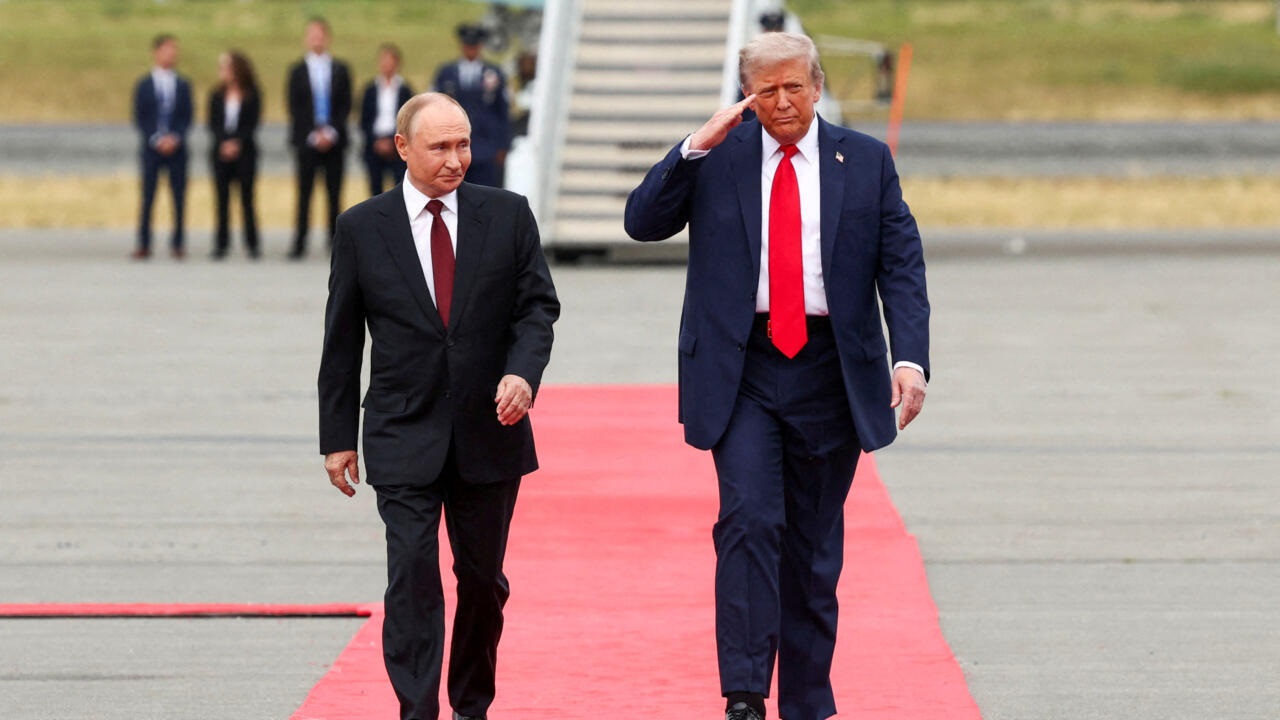
When U.S. President Donald Trump and Russian President Vladimir Putin met on American soil for the first time since the 2022 invasion of Ukraine, the world watched with bated breath. The summit, staged at a U.S. air base in Alaska, was billed as a possible turning point in Europe’s bloodiest conflict since the Second World War. The symbolism was rich: red carpet greetings, military aircraft overhead, and a backdrop emblazoned with the words “Pursuing Peace.” Yet, after nearly three hours of dialogue, the results were thin. The much-anticipated encounter ended with no ceasefire, no framework, and little more than the promise of further talks.
Limited Progress, Few Details
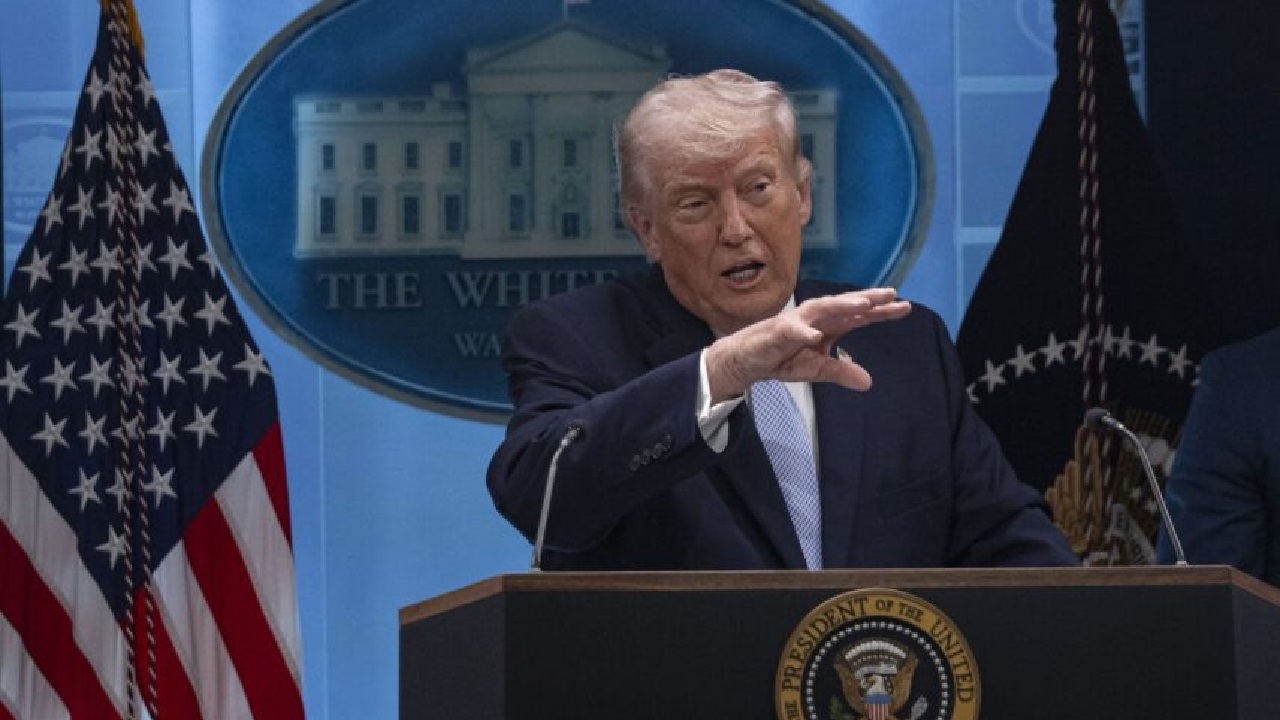
Emerging briefly before the press, both leaders spoke of having made “headway” but refused to divulge specifics or entertain questions. Trump offered his familiar refrain—“No deal until there’s a deal”—a signal that nothing concrete had been agreed upon. The absence of detail underscored the anti-climax. For Putin, however, the optics alone represented a diplomatic gain. After years of isolation from the West, simply sharing a stage with the U.S. president was a symbolic restoration of legitimacy.
Ukraine’s Voice Missing from the Room
Ukrainian President Volodymyr Zelenskiy was conspicuously absent, having not been invited to Alaska. He responded pointedly, declaring that Ukraine was “counting on America.” Kyiv has consistently rejected any proposal that involves ceding territory and insists on firm U.S.-backed security guarantees. Trump, for his part, promised to call Zelenskiy and NATO allies to brief them on the discussions and even suggested that a direct meeting between Zelenskiy and Putin could follow—with Trump himself possibly in attendance. Putin, however, made no mention of such a meeting, instead urging Ukraine and European partners to “not obstruct emerging progress.”
A War That Rages On
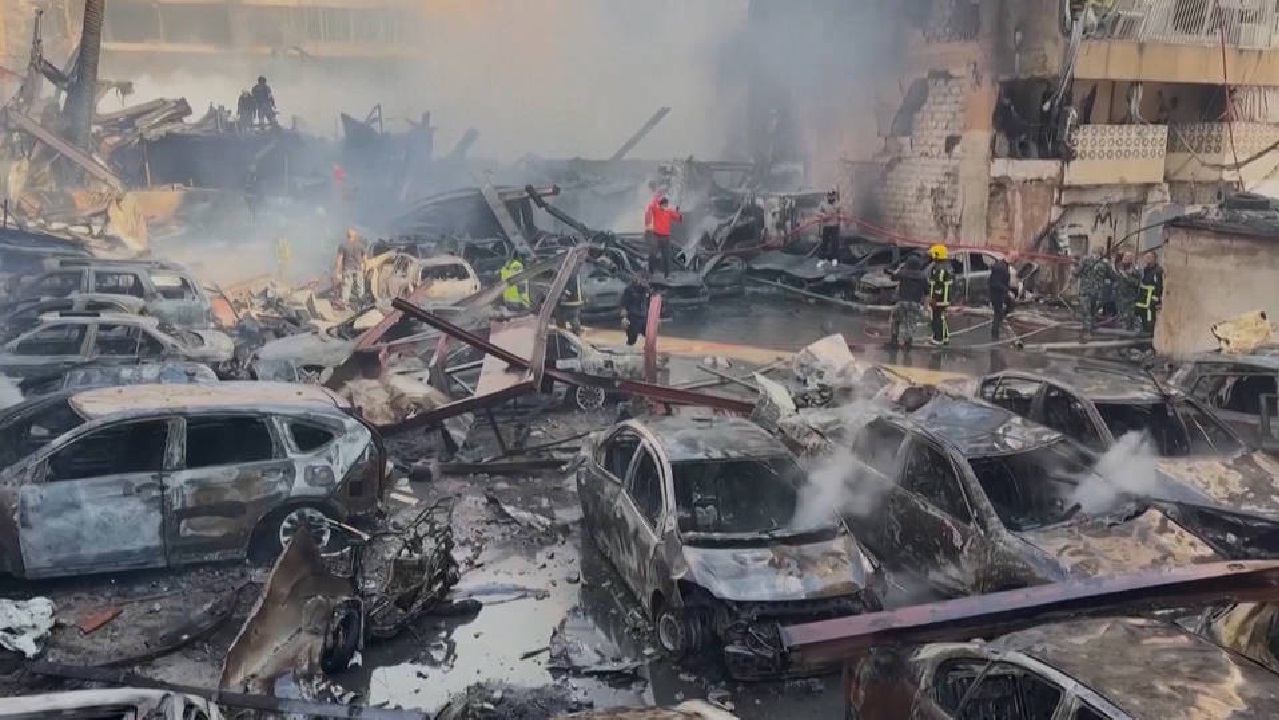
While leaders spoke of potential “constructive steps,” the battlefield told another story. As talks proceeded, Ukraine’s eastern regions remained under heavy Russian air alerts. Overnight, Russia claimed to have intercepted 29 Ukrainian drones, while Ukraine reported destroying 61 of 85 drones launched by Moscow. Regions such as Donetsk, Sumy, and Chernihiv endured relentless bombardment, illustrating that the war’s intensity showed no sign of slowing even as the Alaska meeting unfolded.
Trade, Tariffs, and Hidden Agendas
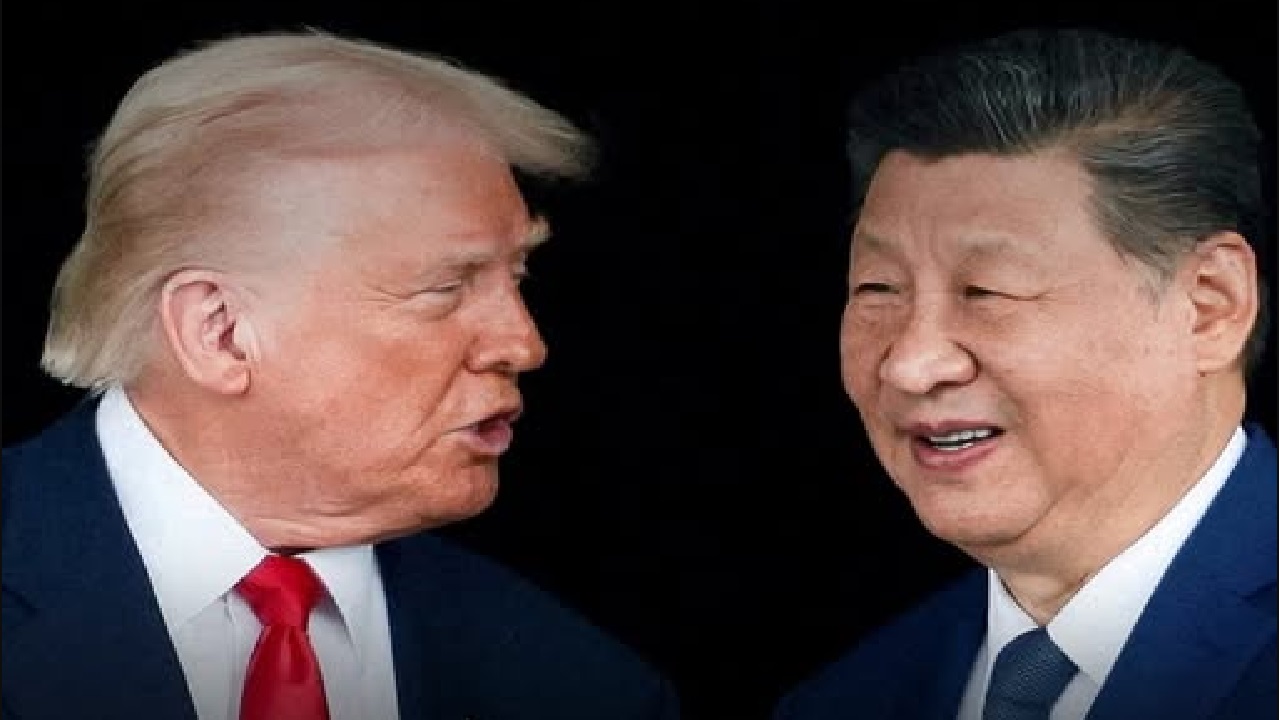
The summit also intersected with Trump’s broader economic strategy. In an interview after the talks, he revealed that he would pause imposing tariffs on China for purchasing Russian oil, citing “progress” with Putin. Yet India, another major buyer of Moscow’s crude, continues to face steep U.S. penalties—50% tariffs in total, with 25% explicitly tied to Russian imports. Trump also reiterated his readiness to sanction Moscow directly, though he has so far refrained from doing so, even after Putin defied a Trump-imposed ceasefire deadline earlier this month. The linkage between trade, energy markets, and diplomacy was evident, even if it complicated the message of “pursuing peace.”
Contrasting Narratives from the Leaders
Both men framed the war differently. Trump stressed that Ukraine’s consent would be essential for any eventual agreement, portraying his role as a facilitator rather than a decider. Putin, by contrast, argued that the conflict would only end once its “root causes” were removed. He claimed that had Trump been in power in 2022, the war might never have begun, and insisted that Russia sought not conquest but “restoring balance” to European and global security. Such rhetoric positions Moscow as a victim of systemic imbalance rather than as an aggressor, a stance unlikely to persuade Kyiv or its Western backers.
The Delegations and the Diplomacy
The talks, originally planned in three phases, were shortened, with Trump and Putin holding a direct round after initial sessions with their teams. The American side included Secretary of State Marco Rubio and special envoy Steve Witkoff, while Russia was represented by Foreign Minister Sergei Lavrov, Defense Minister Andrei Belousov, and senior adviser Yuri Ushakov. Both leaders struck a cordial tone, with Trump describing their exchange as a “very good and trusting contact” and Putin even floating the idea of hosting the next summit in Moscow—a suggestion Trump admitted would be “controversial but possible.”
Optics Versus Outcomes
For much of the world, the summit’s grandeur stood in sharp contrast to its modest outcomes. The red-carpet welcome, ceremonial fanfare, and carefully staged backdrops suggested a breakthrough was within reach. But by the close, observers were left with little more than carefully hedged statements. No ceasefire framework, no timetable, and no public roadmap emerged. Instead, what lingered was a sense that the meeting served more as political theatre than as substantive negotiation.
The Long Road Ahead
The Alaska summit underlined both the necessity and the difficulty of peace-making in Ukraine. For Putin, the encounter demonstrated his continued relevance on the world stage. For Trump, it projected the image of a dealmaker, even if the “deal” itself remained elusive. For Ukraine, absent from the table but present on the battlefield, the war grinds on.
In the end, the meeting highlighted the paradox of modern diplomacy: progress is measured not in signed agreements but in gestures, atmospheres, and carefully chosen words. “No deal until there’s a deal,” Trump insisted, leaving the future deliberately open. Whether the next steps bring Zelenskiy into the conversation, or whether the conflict simply continues under the shadow of unfulfilled promises, remains to be seen.
What is certain is that the road to peace in Europe’s deadliest war since 1945 will not be paved in a single summit. Alaska may be remembered less as the moment of breakthrough and more as a reminder that dialogue, however imperfect, is still the only bridge available across the chasm of war.
(With agency inputs)