



Antifa and a Political Flashpoint
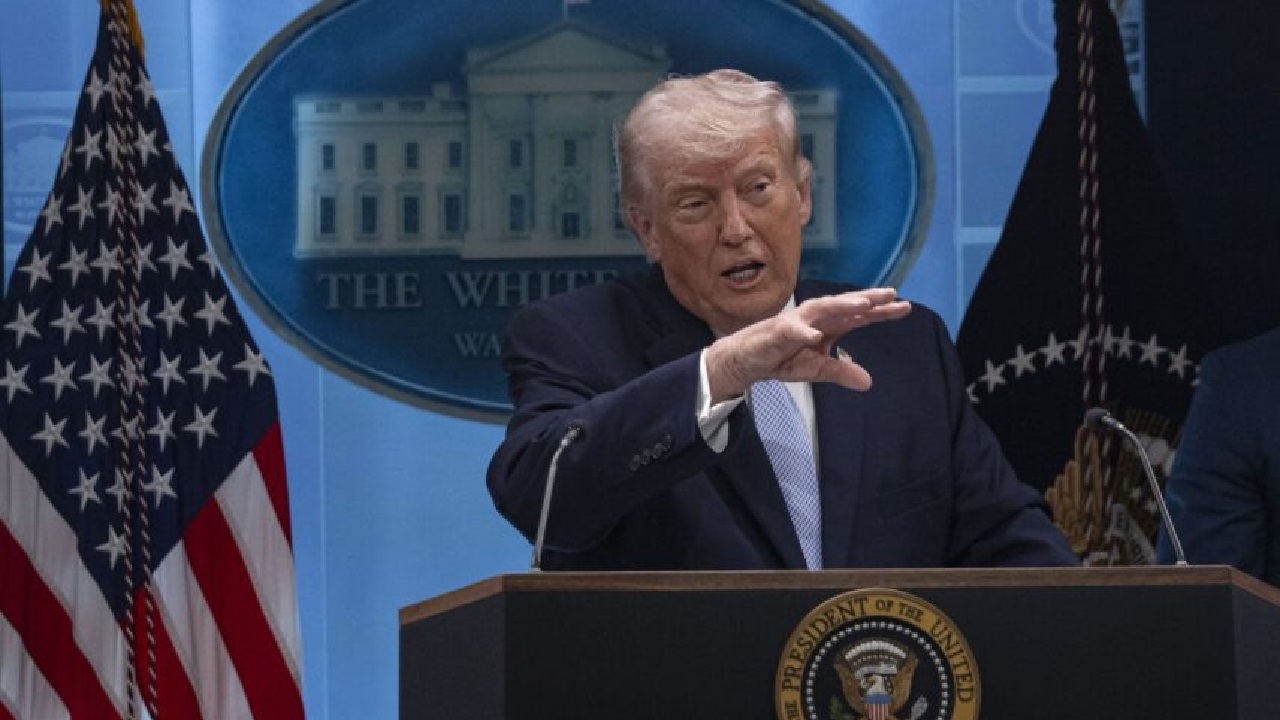
The killing of conservative activist Charlie Kirk during an event at Utah Valley University on September 10 has reignited fierce debate in the United States over the radical leftist movement known as Antifa. In response, President Donald Trump announced that his administration will formally classify Antifa as a “major terrorist organization.” The move, unveiled during his visit to the United Kingdom, represents the most aggressive stance yet against the loosely organized network of anti-fascist activists.
Trump’s Announcement and Warning
Taking to his platform, Truth Social, Trump described Antifa as a “dangerous radical left disaster” and pledged thorough investigations into those allegedly funding its activities. He warned that financial backers would face the “highest legal scrutiny.” While the President has previously threatened to pursue a domestic terrorism label for Antifa, this marks the first time such a declaration has been formally made. However, questions remain about how a decentralized movement, without clear leadership or hierarchy, can be treated as a traditional terrorist organization.
Who Are Antifa?
The Center for Strategic and International Studies (CSIS) identifies Antifa as a diffuse collection of far-left militants united by opposition to fascism, racism, and far-right extremism. The movement lacks a central command structure and often operates through local networks. Members typically coordinate via encrypted platforms such as Signal, and their actions often take the form of counter-protests against right-wing rallies.
The symbolism embraced by Antifa includes the red flag of the Russian Revolution and the black flag of 19th-century anarchists. Tactics sometimes involve “black bloc” formations, where activists wear black clothing and masks to obscure their identities. While many in the movement describe themselves as defenders against authoritarianism and white supremacy, critics argue that Antifa’s confrontational methods, which can include vandalism and street violence, undermine democratic principles.
The Assassination of Charlie Kirk
The backdrop to Trump’s decision is the shocking killing of 31-year-old Charlie Kirk, a prominent conservative voice and founder of Turning Point USA. Kirk was shot in the neck during a university event, with the assailant fleeing immediately after. While the investigation into the shooter’s identity and motives continues, Trump and his allies have linked the tragedy to what they describe as Antifa’s escalating militancy.
Implications for American Democracy
Designating Antifa as a terrorist organization raises significant legal and political questions. Unlike structured groups such as al-Qaeda, Antifa is more an ideology than a single entity. Applying terrorism statutes to a fluid movement risk broadening state powers in ways that may encroach on civil liberties and legitimate dissent. At the same time, Trump’s framing of the issue reflects deepening polarization in American politics, where security measures are often intertwined with ideological battles.
Between Security and Freedom
The assassination of Charlie Kirk has intensified scrutiny of radical groups and heightened calls for stronger action against political violence. Yet the challenge lies in distinguishing between combating genuine threats and preserving the constitutional right to protest. Antifa’s decentralized nature complicates enforcement, making transparency, due process, and restraint essential. Ultimately, protecting American democracy requires not only shielding citizens from violence but also ensuring that countermeasures do not erode the freedoms they are meant to defend.
(With agency inputs)