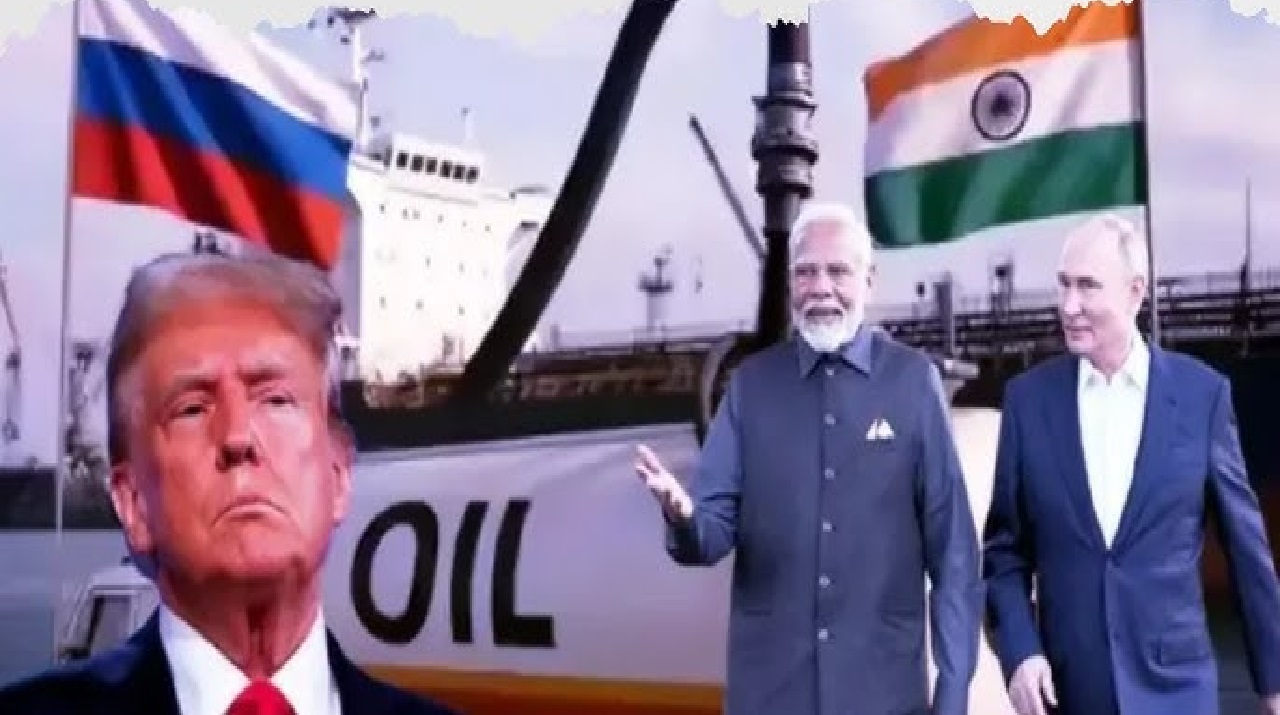
U.S. Tariffs, Russian Oil, and Accusations of Double Standards
In a fresh round of global trade tensions, U.S. President Donald Trump has warned of steep tariff hikes on India, citing New Delhi’s ongoing energy trade with Moscow. The move, presented as a punitive measure for allegedly aiding Russia’s wartime economy, has sparked backlash from India, which accuses the U.S. of hypocrisy—given its own continuous import of Russian goods.
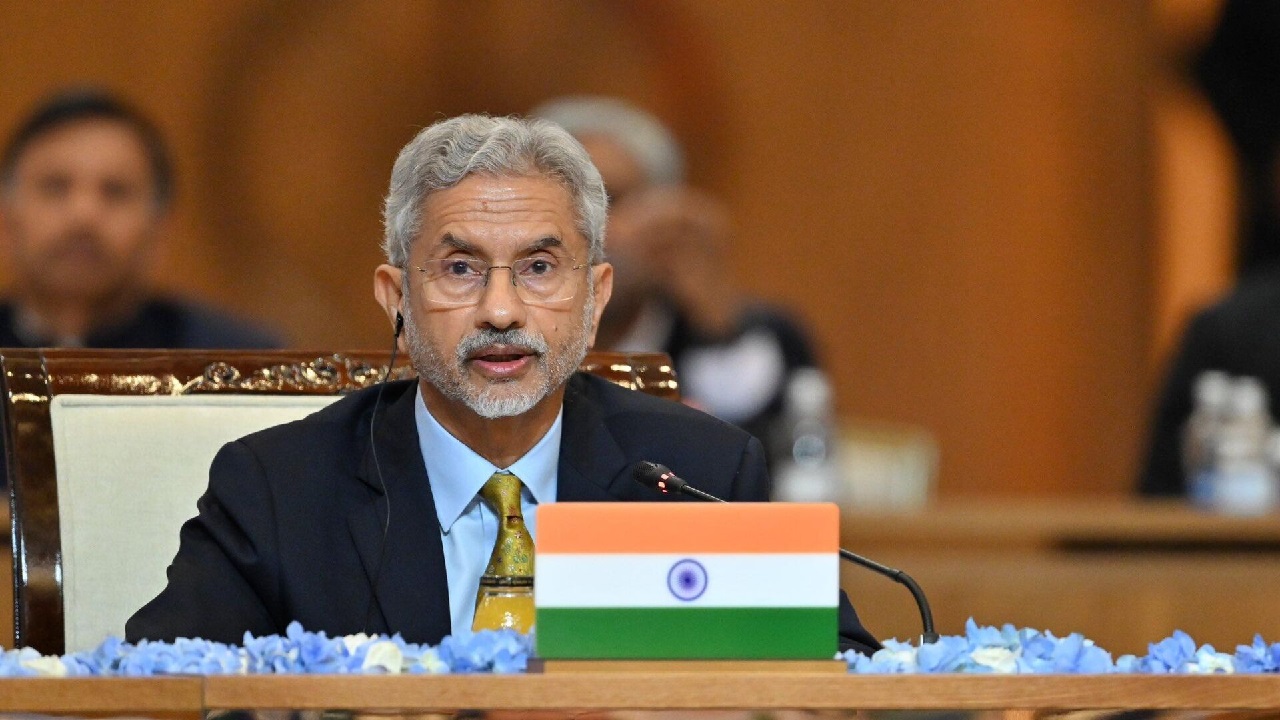
India’s Ministry of External Affairs (MEA) has pointed out that the U.S. remains a significant buyer of Russian uranium, fertilisers, palladium, and chemicals, even while pressing allies like India to scale down their economic engagement with Russia. In response, Trump has distanced himself from these claims, stating he was unaware of such transactions.
Tariff Threats and a Surprising Admission
While addressing reporters at a White House press event originally focused on the 2028 Los Angeles Olympics, Trump was asked to respond to India’s assertion that Washington is selectively targeting its partners. Caught off guard, the President responded, “I don’t know anything about it. I have to check it out,” referring to the U.S.’s ongoing imports from Russia.
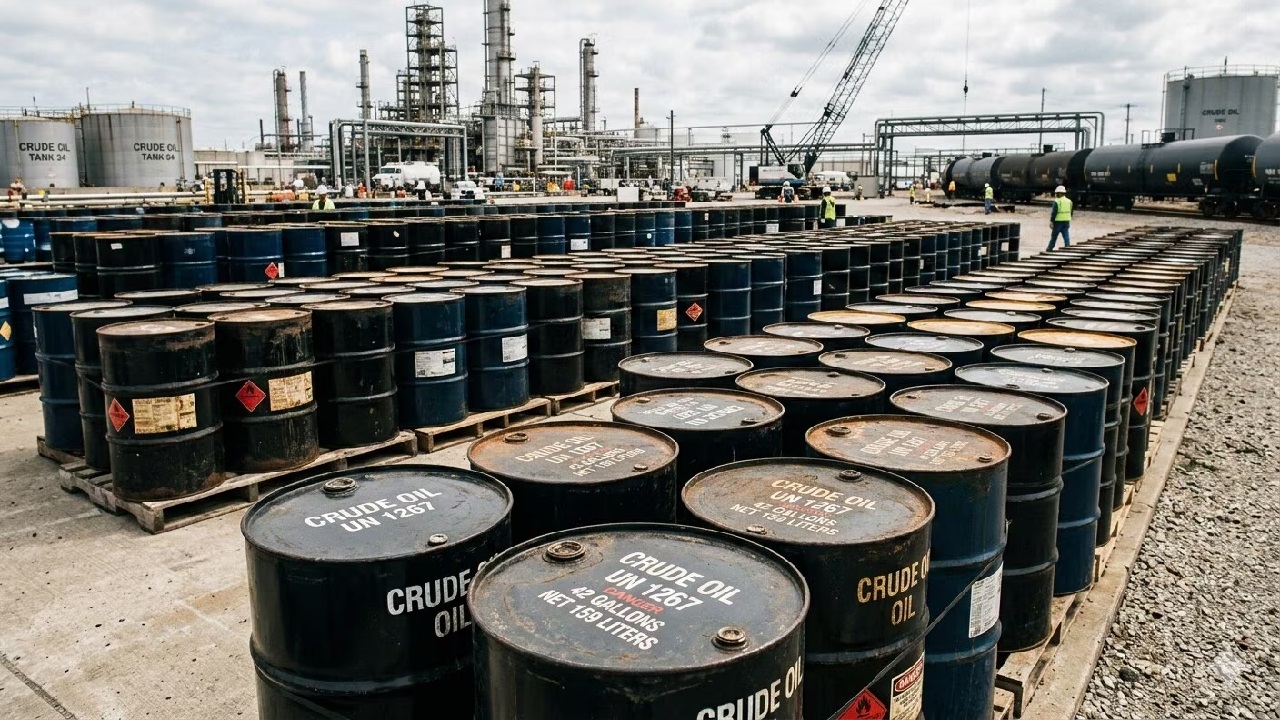
This comes at a time when Trump has vowed to “substantially raise tariffs on India within 24 hours,” citing India’s continued purchase of Russian crude as “fuelling the war machine.” Yet, the President failed to provide clarity on the scale or percentage of the proposed tariff increase.
India’s Pushback: Economic Reality and Strategic Needs
India has strongly rejected the criticism, calling it “unjustified and unreasonable.” The MEA has highlighted that India’s energy imports are driven by economic necessity, not geopolitical alignment. Notably, Washington had earlier encouraged Indian purchases of Russian oil to help stabilize volatile global energy markets.
Furthermore, New Delhi underlined the inconsistency in Western narratives, stating that U.S. companies continue to import uranium hexafluoride for nuclear energy, palladium for electric vehicles, and billions worth of fertilisers and chemicals from Russia—even as they admonish India for doing the same.
America’s Ongoing Trade with Russia
Despite publicly condemning Moscow for its invasion of Ukraine, the U.S. has quietly maintained a steady stream of trade with Russia. According to recent trade data:
From January 2022 to now, the U.S. has imported $24.51 billion worth of Russian goods.
· In 2024 alone, America purchased:
· $1.27 billion in fertilisers
· $624 million worth of uranium and plutonium
· Around $878 million in palladium
These numbers expose a contradiction at the heart of U.S. policy: demanding trade decoupling from others, while continuing critical imports itself.
Trump’s Strategic Ambiguity and Lack of Specifics
Pressed on the specifics of his threat to impose a 100% tariff on nations trading with Russia, Trump backtracked slightly. “I never said a percentage… but we’ll be doing quite a bit of that. We’ll see what happens over the next fairly short period of time,” he said, adding that discussions with Russia were scheduled for the following day.
This lack of clarity and sudden shifts in tone have become characteristic of Trump’s trade diplomacy—one that often hinges on unpredictability rather than consistent policy frameworks.
Mounting Criticism from Within
Trump’s statements have also sparked criticism within American political circles. Former U.S. Ambassador to the U.N., Nikki Haley, openly rebuked the president for giving China—a much larger buyer of Russian and Iranian oil—a 90-day tariff exemption, while singling out India.
Haley posted on X (formerly Twitter):
“India should not be buying oil from Russia. But China, an adversary and the number one buyer of Russian and Iranian oil, got a 90-day tariff pause. Don’t give China a pass and burn a relationship with a strong ally like India.”
The contrast between Washington’s treatment of India and China raises questions about whether strategic allies are being penalized while competitors are spared.
Are Such Excuses Fit for a President?
In a moment that should have reflected strategic clarity and global leadership, Trump’s admission of ignorance about America’s own trade with Russia raises fundamental concerns. How can a president threaten allies over their trade policies while remaining uninformed about his own country’s economic dealings?
As India faces tariff threats and rhetorical blame, Trump’s shifting positions and lack of concrete data or accountability only weaken Washington’s global credibility. The broader question remains:
Is this type of vague, reactive leadership—built on contradictions and selective pressure—truly acceptable in a global statesman? Or is it merely a short-sighted tactic that risks alienating key allies while sidestepping inconvenient truths?
(With agency inputs)