



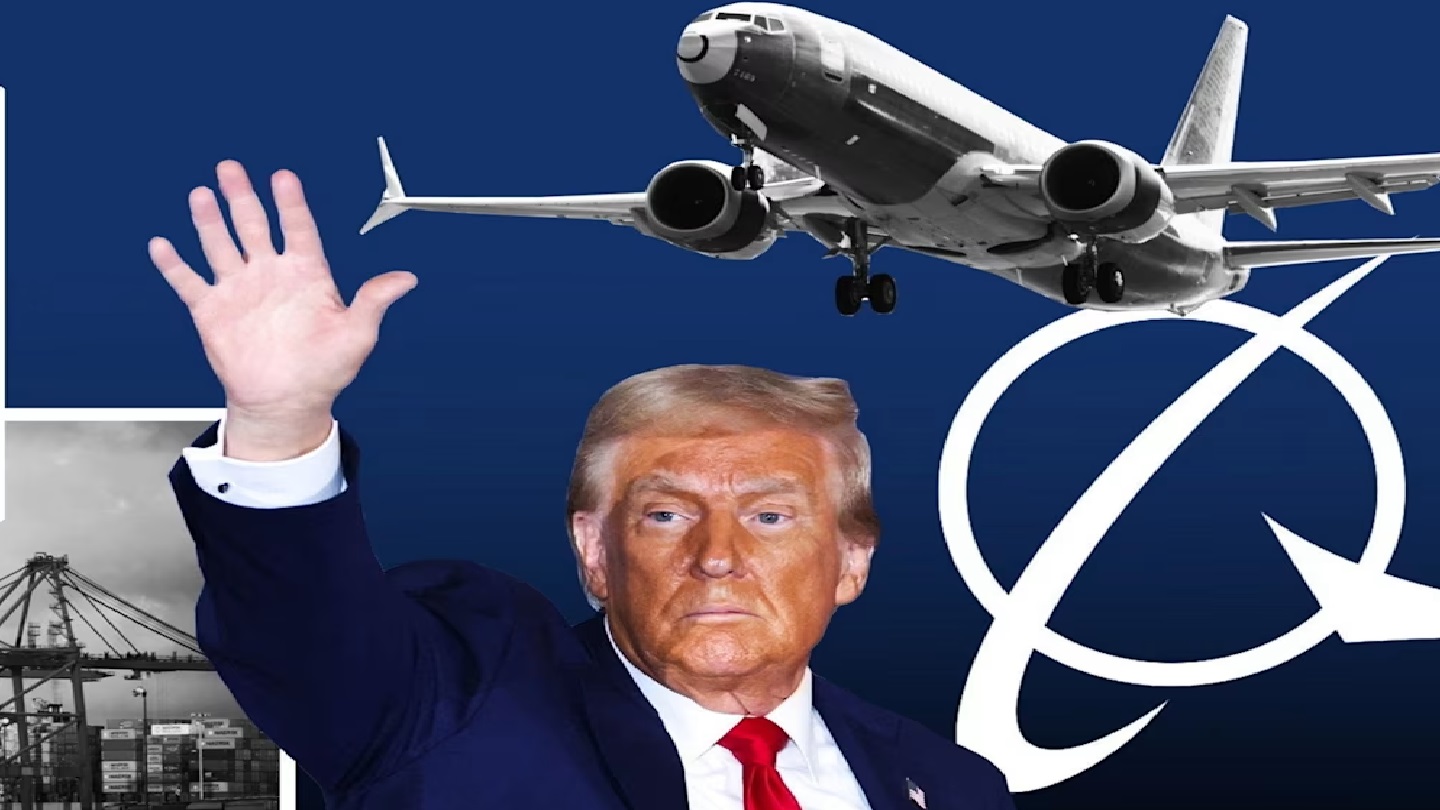
Tensions between the United States and Canada have sharply escalated after President Donald Trump announced that Washington could revoke certification for Bombardier’s Global Express business jets and impose a 50 percent tariff on aircraft manufactured in Canada. The move is framed as retaliation for what the U.S. administration describes as Canada’s prolonged delay in certifying several Gulfstream business jet models for operation within Canadian airspace. The announcement immediately jolted aviation markets and raised fears of a broader trade confrontation between two traditionally close allies.
A Trade Dispute Takes Flight
The dispute reflects more than a technical certification disagreement; it exposes widening economic and geopolitical frictions across North America. Aviation certification between the U.S. Federal Aviation Administration (FAA) and Transport Canada typically operates under reciprocal arrangements, allowing aircraft approved in one country to operate in the other.
However, U.S. officials argue Canada has slowed approval of Gulfstream’s latest aircraft models, indirectly benefiting domestic manufacturer Bombardier. Washington now appears ready to use aggressive trade tools to force a resolution. Decertification would effectively prevent Bombardier jets from operating in the United States, while tariffs would raise costs for airlines and corporate customers purchasing Canadian aircraft.
Economic Stakes and Trade Fallout
The consequences of such measures could ripple across both economies. Bombardier depends heavily on U.S. customers, with a significant portion of its business jet sales tied to American operators. A decertification decision could disrupt corporate aviation fleets, maintenance contracts, and cross-border flight operations.
The tariff threat also affects aircraft assembled in Canada for global markets, including commercial models produced through multinational partnerships. Airlines operating North American routes could face delivery delays and increased fleet costs, while leasing companies and private jet operators may struggle to source replacement aircraft.
More broadly, the dispute risks spilling into other sectors already strained by trade disagreements, potentially complicating the scheduled review of the USMCA trade agreement later this year.
Canada–China Strategic Partnership Raises Washington’s Alarm
Compounding tensions is Canada’s recent diplomatic shift toward Beijing. Prime Minister Mark Carney’s government unveiled a renewed strategic partnership with China aimed at expanding trade in agriculture, clean energy, and technology sectors. Tariff reductions on key Canadian exports and lower Canadian duties on Chinese electric vehicles signal Ottawa’s effort to diversify economic ties amid unpredictable relations with Washington.
For U.S. policymakers, however, the partnership raises concerns that Canada could become a conduit for Chinese goods entering the North American market under preferential trade terms. Washington worries that supply chains, particularly in electric vehicles and technology, could be reshaped in ways that weaken U.S. economic leverage.
Trump’s administration has responded with sharp criticism, viewing Ottawa’s outreach to Beijing as undermining regional economic security. Aviation, therefore, has become one of the first arenas where this strategic disagreement translates into economic pressure.
A Critical Test for North American Economic Cooperation
The aviation dispute illustrates how technical trade issues can quickly evolve into geopolitical confrontations. While both nations remain deeply interconnected economically, diverging strategic priorities now threaten to strain that partnership.
A negotiated solution remains possible, likely through regulatory compromise or arbitration mechanisms, but prolonged escalation would damage industries on both sides of the border. Ultimately, resolving the dispute will require balancing domestic economic interests with the broader imperative of maintaining stability within North America’s most important trade relationship.
(With agency inputs)