US Moves on Tariffs as India Deal Nears
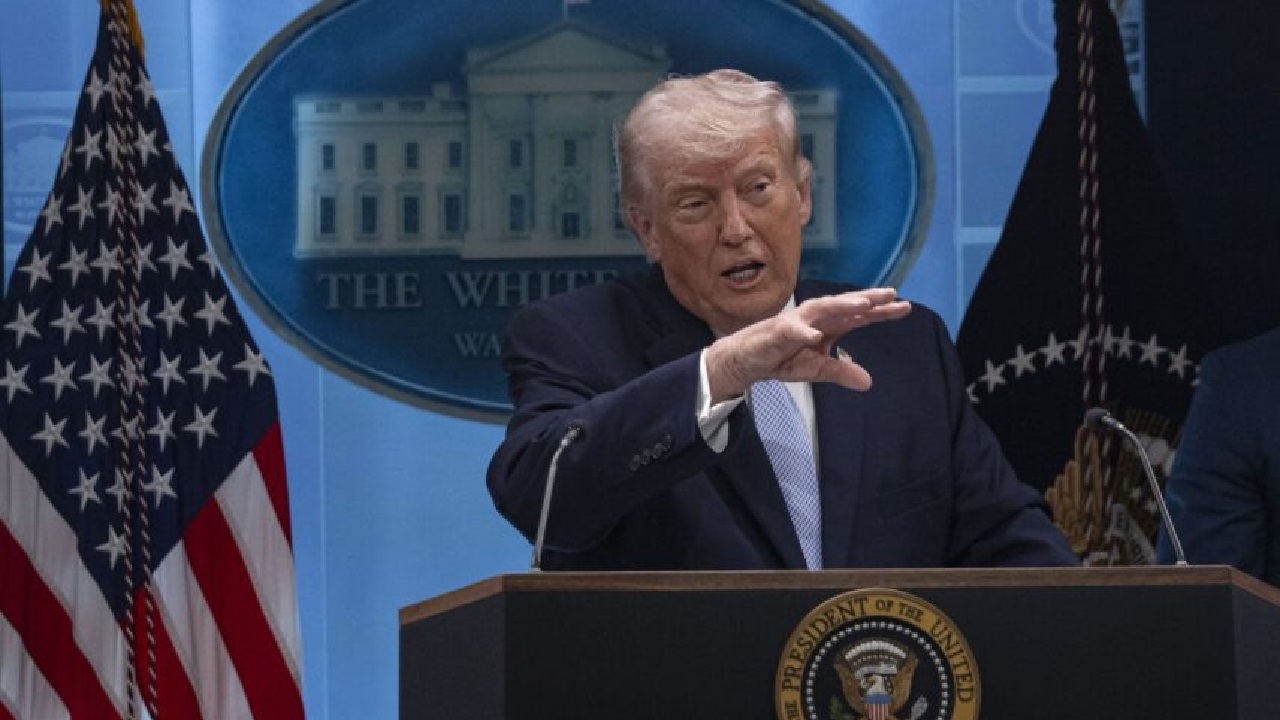
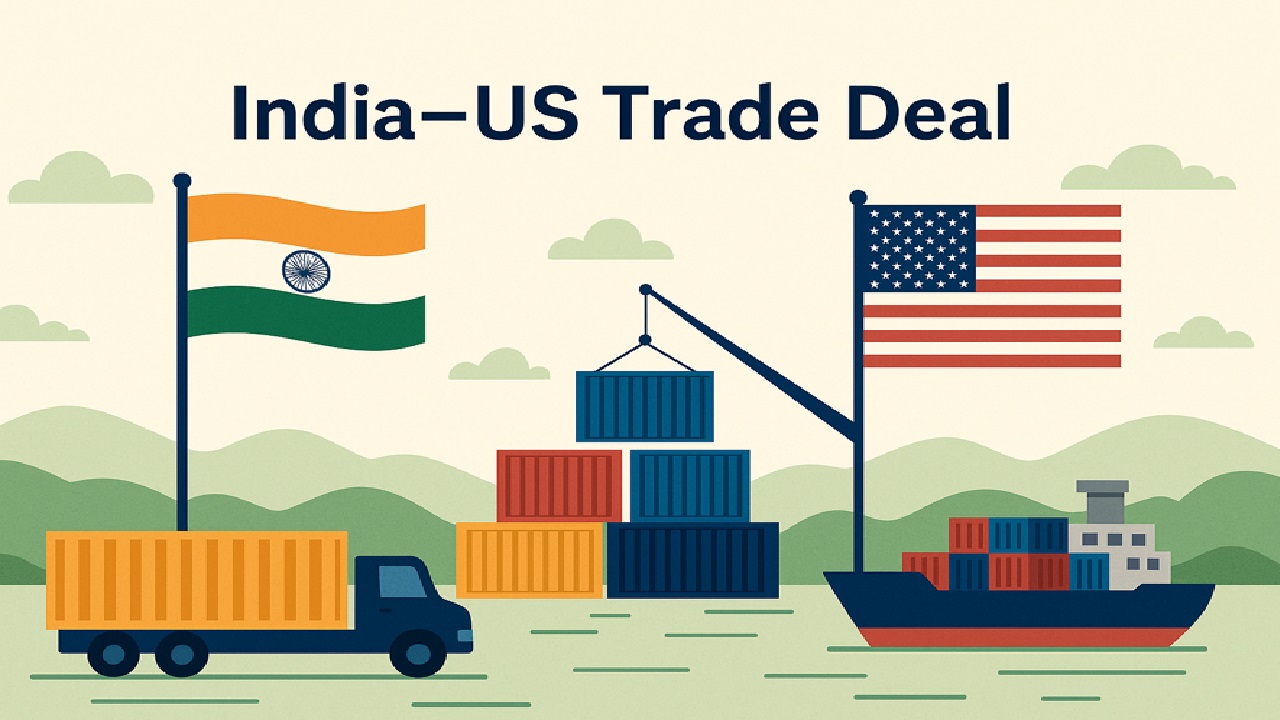
Even as the United States President Donald Trump announced a wave of new tariffs targeting 14 countries, he signaled progress on a long-anticipated trade deal with India. “We’re close to making a deal with India,” Trump said from the White House, while confirming that negotiations continue over key sticking points such as agriculture and dairy access.
Trump’s remarks follow recently concluded trade agreements with the United Kingdom and China. The U.S. has sent formal letters warning of fresh tariffs to countries like Bangladesh, Thailand, South Korea, and Japan, with implementation slated for August 1. These moves are part of Trump’s push to realign global trade dynamics more favourably toward the United States.
A Patchwork of Tariffs: 14 Countries on the List
The latest tariff salvo includes a wide-ranging set of import levies. The most severe tariffs are aimed at countries across Asia, Africa, and Eastern Europe. Notably, Trump’s administration announced:
· 35–40% tariffs on countries like Bangladesh, Cambodia, Myanmar, and Laos
· 25–30% tariffs on major Asian economies including Japan, South Korea, Malaysia, and Thailand
· Additional tariffs on Kazakhstan, Tunisia, South Africa, Indonesia, Bosnia and Herzegovina, and Serbia
Trump justified these new tariffs as part of a broader campaign to pressure countries that, in his view, benefit from U.S. markets without offering fair reciprocal terms. “Some will maybe adjust a little bit depending if they have a cause, we’re not going to be unfair about it,” he said, adding that tariff rates may still be negotiable.
India: The Next Trade Frontier
At the heart of Trump’s current trade strategy is a potential “mini” deal with India, long considered a tough negotiator due to its protectionist stance on agriculture and labour-intensive exports. Talks between Washington and New Delhi have dragged on over U.S. demands for access to Indian agricultural markets, including genetically modified crops and dairy products — both sensitive sectors for India, given the livelihoods they support.
Agriculture accounts for only 16% of India’s $3.9 trillion economy but supports nearly 50% of its 1.4 billion population. The political risk of opening these sectors to U.S. imports is high, especially with concerns about rural job losses and food security.
Conversely, India seeks tariff concessions for its key export sectors — including leather, footwear, and garments — all major sources of employment. New Delhi’s negotiators argue that any trade pact lacking mutual benefits is unlikely to be politically sustainable or economically impactful. Without substantial tariff cuts for Indian exports, India says its ambition to double bilateral trade to $500 billion by 2030 is unrealistic.
Deadline Pressure and Flexibility
Although the White House announced that the new tariffs will come into force on August 1, Trump hinted at potential flexibility. “I would say firm, but not 100% firm,” he said, suggesting that some countries could still avert tariff impositions by returning to the negotiating table. The deadline had originally been July 9 but was extended via an executive order, likely in anticipation of ongoing talks with several targeted nations.
Trump’s comments came during a joint appearance with visiting Israeli Prime Minister Benjamin Netanyahu, highlighting the global stage on which these trade dramas are unfolding. With 2025 U.S. elections inching closer, these trade moves are expected to feature prominently in Trump’s economic strategy and campaign messaging.
Strategic Moves Amid Global Uncertainty
President Trump’s latest tariff offensive underscores his administration’s continued emphasis on economic nationalism and bilateralism in global trade. While the announced tariffs add pressure on several U.S. trade partners, the overture toward India reveals a more nuanced approach — one that combines economic assertiveness with strategic diplomacy.
The deal with India, if finalized, could serve as a significant geopolitical and economic milestone for both nations. But for now, the balance between tariff threats and trade deals remains a defining feature of Trump’s evolving global trade doctrine.
(With agency inputs)