UNESCO: The UN’s Guardian of Global Heritage
The United Nations Educational, Scientific and Cultural Organization (UNESCO) was established in 1945 in the aftermath of World War II to promote peace through international cooperation in education, science, culture, and communication. Headquartered in Paris, UNESCO is best known for its World Heritage Site designations, which include globally iconic locations like the Grand Canyon, the Pyramids of Giza, and India’s Taj Mahal.
But UNESCO is more than a custodian of monuments. It also plays a central role in global educational initiatives, scientific collaboration, press freedom, and the promotion of cultural diversity. However, for all its high ideals, the agency has often found itself entangled in geopolitical disputes—and few member states have had a more turbulent relationship with it than the United States.
U.S. Exits—Again: Trump’s Third UNESCO Withdrawal
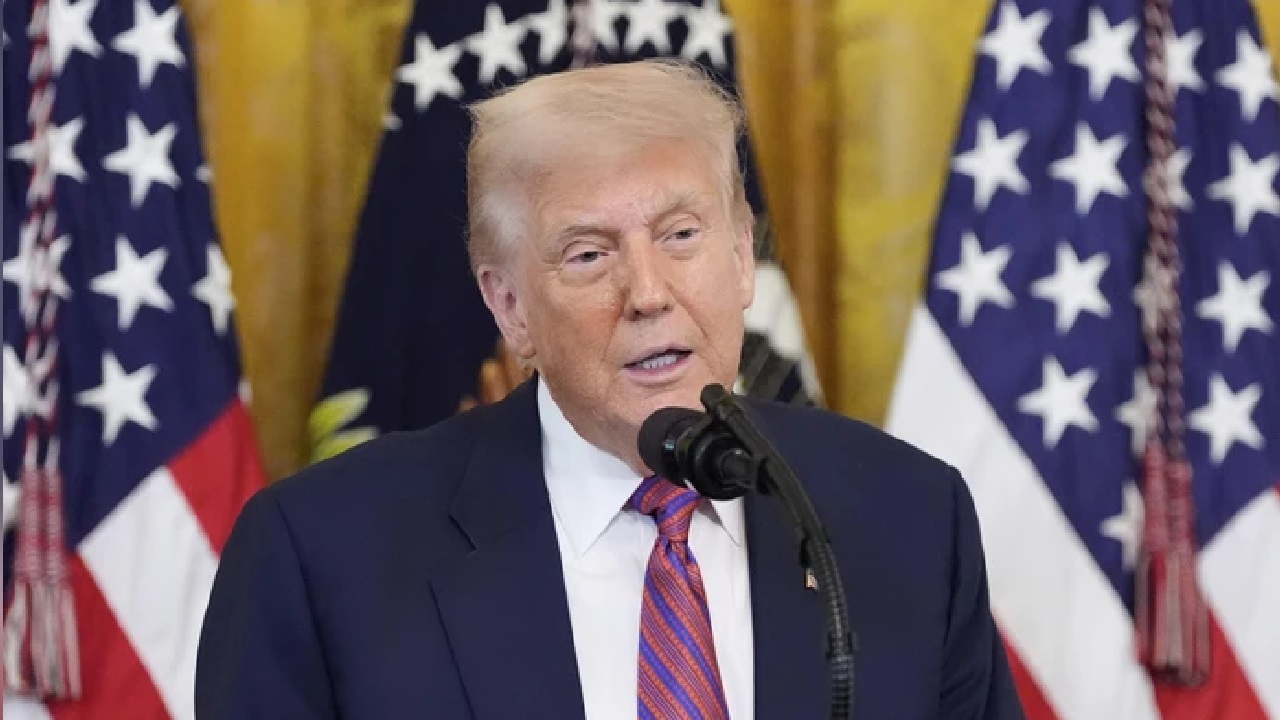
In a move that both echoed and amplified his earlier stance, President Donald Trump has announced that the U.S. will again withdraw from UNESCO, with the withdrawal set to take effect on December 31, 2026.
This marks the third such U.S. exit from the agency. The first occurred in 1984 under President Ronald Reagan, who cited mismanagement and anti-Western bias. The U.S. rejoined in 2003 during George W. Bush’s presidency after organizational reforms.
Trump first withdrew in 2017, alleging UNESCO’s bias against Israel and dissatisfaction with its decision to admit Palestine as a full member in 2011. That move was reversed by President Joe Biden in 2023, but with this new decision, Trump’s return to the White House has revived that same ideological skepticism toward multilateral institutions.
White House spokeswoman Anna Kelly said UNESCO backs “woke, divisive cultural and social causes”, calling them out-of-step with “the common-sense policies that Americans voted for.” The State Department further accused the organization of pushing a “globalist, ideological agenda” inconsistent with Trump’s “America First” foreign policy vision.
Israel Applauds, Others Criticize
The decision has been warmly welcomed by Israel, a long-time critic of UNESCO’s positions regarding Palestinian heritage claims and historic site designations. Israeli Foreign Minister Gideon Sa’ar praised Washington for its “moral support and leadership,” condemning what he described as UNESCO’s “politicization” and “consistent anti-Israel bias.”
Israeli UN Ambassador Danny Danon echoed these sentiments, asserting that the organization had become a platform for “misguided political agendas” against the Jewish state.
In contrast, other global reactions ranged from disappointment to outright condemnation.
UNESCO Director-General Audrey Azoulay called the decision regrettable but expected, noting that the agency had prepared for such an eventuality. She underscored that the situation had “changed profoundly” since the last U.S. withdrawal and emphasized that UNESCO had become a rare forum for consensus-based multilateral cooperation, especially in areas like Holocaust education and the fight against antisemitism.
French President Emmanuel Macron voiced “unwavering support” for UNESCO, calling it a “universal protector of world heritage.” Meanwhile, China’s Foreign Ministry criticized the U.S. decision as unworthy of a “responsible major country” and pledged continued support for UNESCO’s mission.
The Impact: Financial, Symbolic, and Strategic
From a financial perspective, the impact is expected to be limited. While the U.S. once provided nearly a quarter of UNESCO’s budget, its contribution now stands at just 8%, thanks to funding diversification by the agency over the past decade. Still, the symbolic cost is significant. The U.S. remains a global cultural and scientific powerhouse, and its withdrawal raises questions about its willingness to engage in global governance mechanisms.
Critics, including Democratic Senator Jeanne Shaheen, argue that the move plays into the hands of rival powers like China, which has become one of UNESCO’s largest funders. “This is short-sighted and a win for China,” she remarked.
Moreover, the move adds to a broader pattern: during his previous term, Trump also withdrew from the Paris Climate Agreement, the World Health Organization, and the UN Human Rights Council—steps he later defended as necessary corrections to multilateral overreach.
UNESCO and Palestine: The Flashpoint
Much of the U.S. friction with UNESCO revolves around the organization’s recognition of Palestine as a full member in 2011, a decision seen in Washington as undermining a negotiated two-state solution.
While UNESCO insists that recent decisions have been mutually agreed upon by both Israel and Palestine, Washington and Tel Aviv continue to perceive bias, especially in resolutions involving cultural heritage sites in contested areas like Jerusalem and Hebron.
However, Azoulay maintains that UNESCO has moved beyond old polarizations, stating that “political tensions have receded” and that the agency remains committed to “concrete and action-oriented multilateralism.”
Conclusion: Ideological Divide or Missed Opportunity?
The U.S. exit from UNESCO under Trump is more than a bureaucratic reshuffle—it reflects a deeper ideological divide about America’s role in global institutions. Proponents of the withdrawal see it as a justified pushback against what they view as ideological overreach and anti-Israel bias. Critics, however, see it as retreating from the international stage and ceding influence to other powers.
UNESCO, with its focus on heritage, education, science, and cultural diplomacy, may not seem like a battleground for great-power politics. But in a world where narratives, identity, and values are increasingly politicized, even a cultural agency can become a flashpoint.
Whether this third U.S. withdrawal is permanent or reversed under a future administration remains to be seen. For now, the move underscores the challenges of global cooperation in a fragmented world—where even shared cultural heritage can be caught in the crossfire of geopolitics.
(With agency inputs)