India Caught in Crossfire of Geopolitical Tariffs
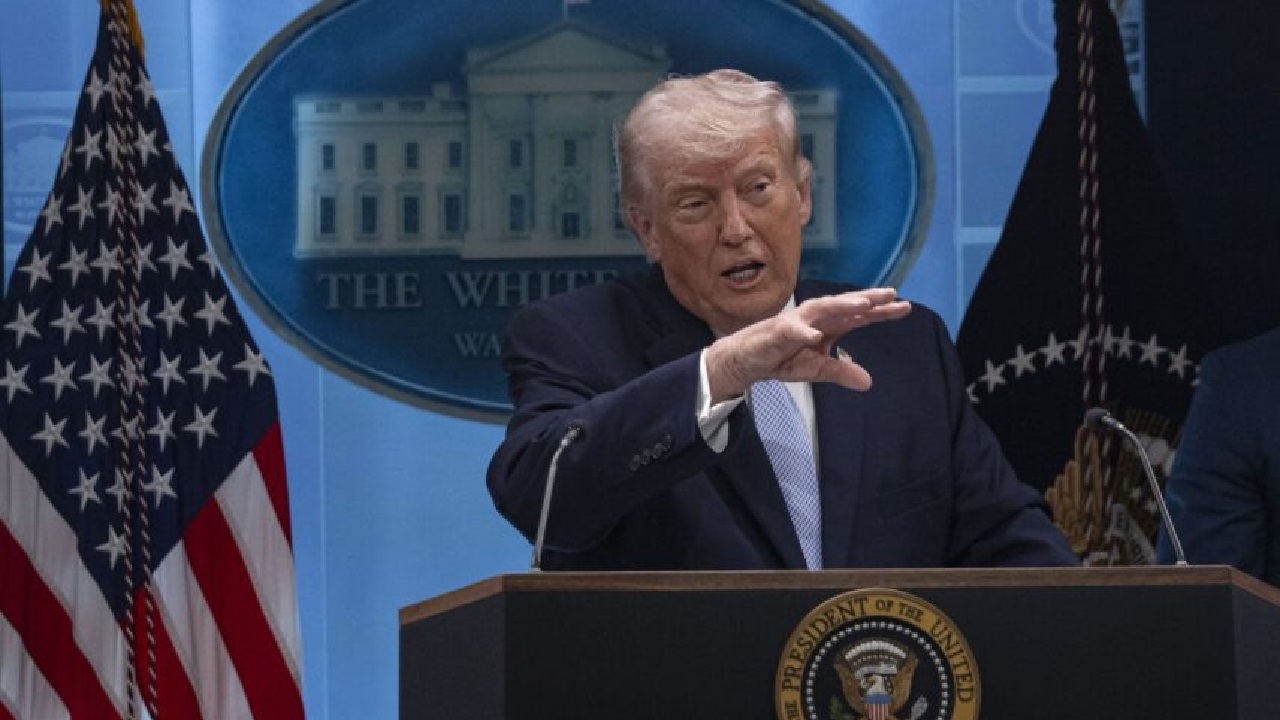
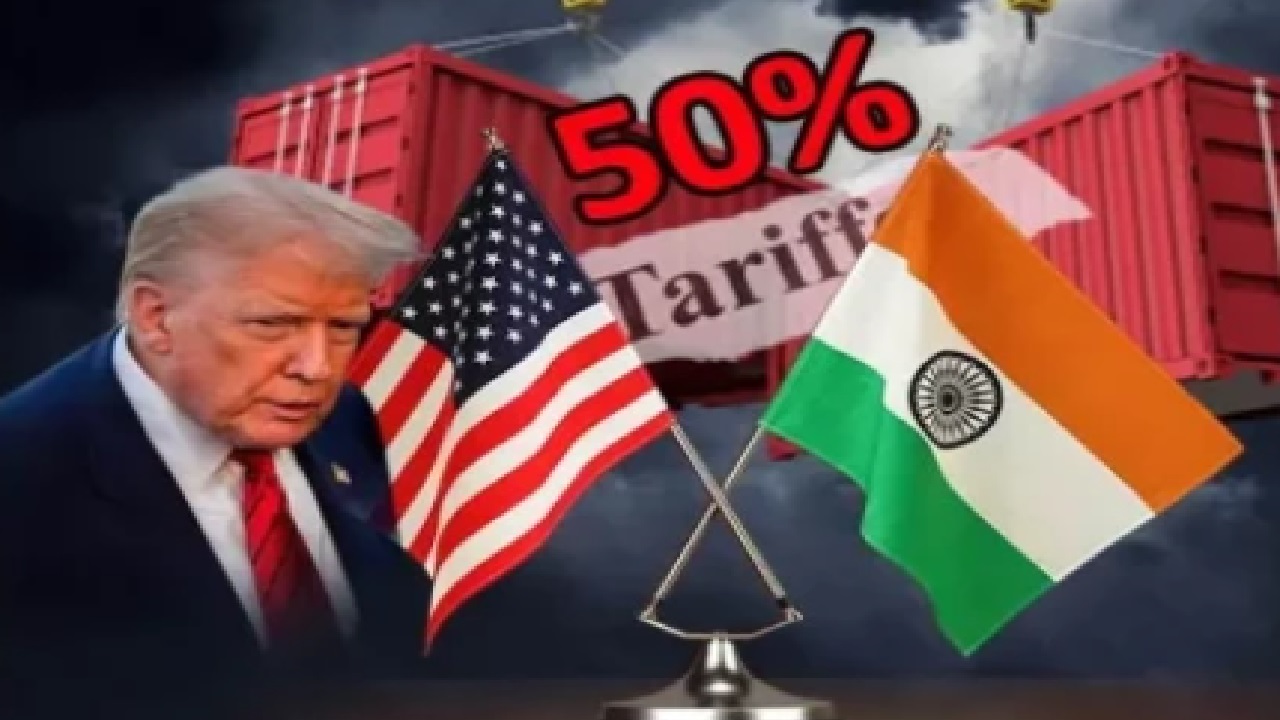
India’s export economy is facing a significant jolt after U.S. President Donald Trump imposed a 50% tariff on Indian goods, citing India’s continued import of Russian oil as a breach of U.S. foreign policy priorities. The move, part of an Executive Order signed this week, has led major U.S. retailers—including Amazon, Walmart, Target, and Gap—to halt all new orders from Indian suppliers, particularly in the apparel and textile sectors. The disruption not only threatens billions in trade but also raises urgent questions about supply chain stability, trade fairness, and diplomatic coordination.
Exporters Hit Hard: Orders Paused, Losses Looming
Multiple Indian exporters have confirmed receiving official communications from their U.S. clients advising them to suspend shipments. These buyers, citing the high cost of the new tariffs, are unwilling to bear the increased burden and have asked suppliers to absorb the costs or pause transactions indefinitely.
The financial implications are alarming. With costs expected to rise by 30–35% due to the tariffs, industry insiders predict a 40–50% decline in U.S.-bound orders. This could potentially wipe out $4–5 billion in export revenue in the near term.
Companies like Welspun Living, Gokaldas Exports, Indo Count, and Trident—all heavily reliant on U.S. markets—are bracing for severe financial strain. Some exporters report that even ongoing shipments are being reviewed for compliance with the new tariff rules.
India’s Textile Sector on the Brink
The United States is India’s largest export destination for textiles and apparel, accounting for 28% of the country’s $36.61 billion in export earnings from the sector in FY2024–25. India, ranked the sixth-largest textile exporter globally, now faces a dangerous erosion of market share to rivals like Bangladesh and Vietnam, which are subject to far lower U.S. tariffs—around 20%.
The long-standing trade relationships Indian firms have built with U.S. retailers are at risk of being permanently disrupted. Once buyers shift sourcing to alternate nations, regaining lost contracts could take years.
India Pushes Back: “Targeting is Selective and Unfair”
The Ministry of External Affairs (MEA) issued a strongly worded response, denouncing the tariff hike as “unjustified, unfair, and unreasonable.” The Indian government asserted that its energy imports from Russia are driven by national necessity and market factors, especially after traditional oil supply chains were disturbed by the Ukraine conflict.
Moreover, the MEA pointed out the double standards at play: the United States continues to import Russian uranium, palladium, fertilizers, and chemicals—yet penalizes India for securing affordable energy. Similarly, the European Union maintained over €84 billion in trade with Russia in 2024, including record LNG imports, despite criticizing India’s actions.
India stated that it would take “all necessary steps to protect its national interests and economic security.”
What Can Be Done: The Path Forward
As tensions escalate, it is critical for both India and the U.S. to explore constructive solutions that avoid long-term damage:
· Diplomatic Dialogue: High-level trade talks must resume immediately to prevent a protracted economic fallout. A dedicated India-U.S. working group on trade and energy cooperation could help align mutual concerns.
· Tariff Relief Mechanisms: The U.S. should consider phased implementation, temporary waivers for in-transit goods, or exemptions for key sectors like medical textiles and sustainable apparel.
· Diversification Strategy: India must aggressively seek to diversify its export markets beyond the U.S., strengthening ties with the EU, Southeast Asia, and Africa.
· Export Subsidy Schemes: To counteract the short-term losses, the Indian government should expand export-linked incentive programs and extend low-interest credit to affected businesses.
· Legal Recourse via WTO: If diplomatic channels fail, India could challenge the tariff hike at the World Trade Organization on grounds of discriminatory trade practices.
Trade Must Serve as a Bridge, not a Battlefield
This tariff crisis underscores the fragile balance between foreign policy and economic interdependence. The United States and India, as two of the world’s largest democracies and trading partners, must resist the urge to politicize commerce.
Instead of weaponizing trade, both sides must strive to restore trust, uphold rules-based systems, and protect industries and livelihoods. Only through cooperation, not confrontation, can this vital relationship continue to thrive in an increasingly volatile global economy.
(With agency inputs)