A War in Search of a Mediator
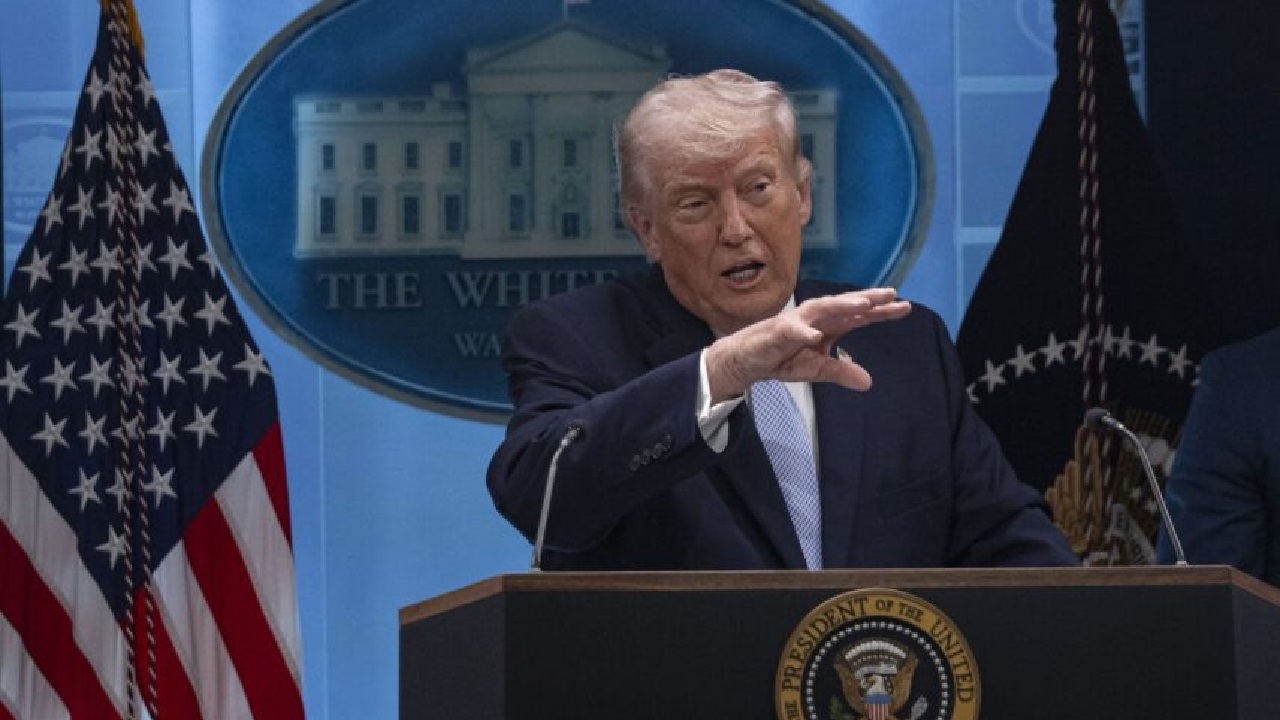
The war in Ukraine, which erupted in early 2022, has become Europe’s bloodiest conflict since the Second World War. Despite sporadic talks, Moscow and Kyiv remain locked in a brutal stalemate, with no agreed path toward peace. Into this fraught landscape steps US President Donald Trump, who has announced an unprecedented face-to-face meeting with Russian President Vladimir Putin in Alaska on August 15, 2025. The stated aim: to negotiate a ceasefire and possibly lay the groundwork for ending a war that has reshaped global geopolitics.
A Rare High-Level Meeting
In a post on Truth Social, Trump declared:
“The highly anticipated meeting between myself, as President of the United States of America, and President Vladimir Putin of Russia, will take place next Friday, August 15, 2025, in the Great State of Alaska.”
The Kremlin has yet to confirm the encounter, which, if it occurs, will mark the first in-person dialogue between a US and Russian leader since before the Ukraine invasion. The last such engagement was in 2021, when then-President Joe Biden met Putin in Geneva.
Unlike previous attempts at conflict resolution, Trump appears to be sidestepping direct Ukrainian participation. When asked if Putin would need to meet President Volodymyr Zelenskyy to secure a deal, Trump replied bluntly: “No, he doesn’t. No.”
Ceasefire or Cold Bargain?
Reports suggest Trump envisions a peace framework that could involve territorial concessions—effectively endorsing a land-swap formula. This would be controversial, as Putin has formally claimed four Ukrainian regions for Russia, a move Kyiv and most of the international community reject as illegal.
So far, Russia and Ukraine have conducted three rounds of talks without result. Putin has consistently refused direct engagement with Zelenskyy, while Ukraine insists any settlement must restore its territorial integrity.
Polish Prime Minister Donald Tusk, after meeting Zelenskyy, hinted at cautious optimism:
“There are certain signals … that perhaps a freeze in the conflict is closer than it is further away,” he said, noting that Ukraine remains wary but open to a coordinated ceasefire plan involving European ally.
Trump’s Mixed Signals on Moscow
Since returning to the White House in January, Trump has alternated between praising Putin and threatening severe consequences if Moscow refuses to halt its offensive. His administration has floated new sanctions and tariffs targeting Russia and its trading partners, with a notable move this week—imposing a 25% tariff on Indian goods in response to New Delhi’s continued purchases of Russian oil.
Special envoy Steve Witkoff’s recent three-hour meeting with Putin in Moscow was described as “constructive” by both sides, yet the Russian leader has shown no sign of scaling back military operations.
Geopolitical Maneuvering
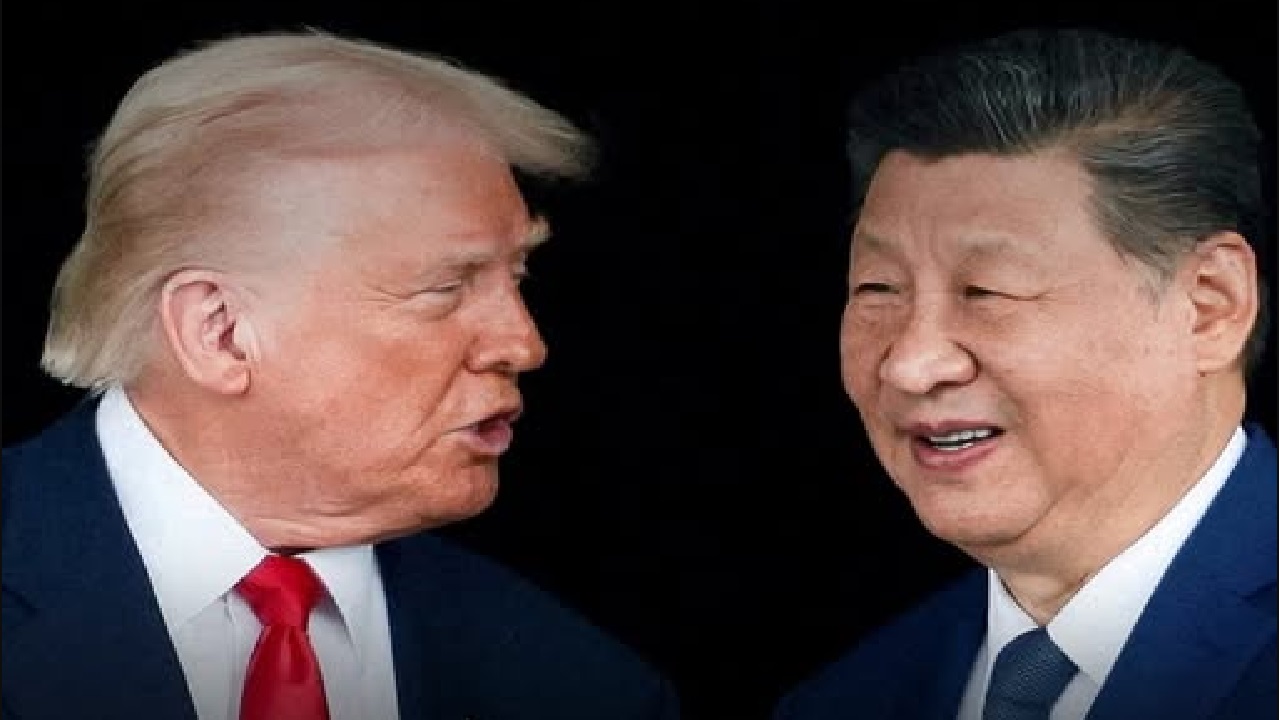
Ahead of the Alaska summit, Putin has strengthened contacts with other major powers. He spoke to Indian Prime Minister Narendra Modi, offering a detailed update on the Ukraine situation, and received expressions of interest from Modi in hosting further discussions later this year. Putin also engaged with Chinese President Xi Jinping, who backed a “long-term solution” and welcomed US-Russia dialogue.
These parallel discussions suggest Putin is keeping multiple diplomatic doors open, potentially to maximize leverage ahead of meeting Trump.
Expert Opinions: Will Trump Succeed?
Dr. Elena Petrov, senior fellow at the European Security Institute, is skeptical:
“Trump’s approach is unconventional, but the core obstacle remains unchanged—Kyiv’s refusal to cede territory and Moscow’s unwillingness to withdraw. Without Ukrainian buy-in, any deal risks collapsing before implementation.”
However, some see an opportunity. Colonel James Harrington (Ret.), a former NATO military planner, argues:
“Trump has the political boldness to push for a ceasefire where others might tread cautiously. If he can freeze the front lines and stop the fighting, even temporarily, it could open a space for genuine negotiations.”
Economist Dr. Raghav Mehta warns of the economic stakes:
“The war has fueled energy price instability and strained supply chains. Even a partial de-escalation could bring immediate global market relief, which is in Trump’s political interest ahead of the 2026 midterms.”
Risks and Opportunities
Trump’s decision to exclude Ukraine from direct talks risks alienating Kyiv and its European allies. Poland, the Baltics, and other frontline states are wary of any settlement perceived as rewarding Russian aggression. On the other hand, a US-mediated ceasefire—even a temporary one—could prevent further loss of life and ease battlefield pressures.
The Alaska setting is symbolically significant. The last time the state hosted a major diplomatic encounter—in 2021 between US and Chinese officials—it ended in public acrimony. This time, Trump will aim for a headline that signals breakthrough, not breakdown.
A Narrow Window for Peace
Whether Trump’s Alaska gamble delivers results will depend on more than his deal-making persona. For any ceasefire to endure, it must be accepted not only by Moscow and Washington but also by Kyiv and its European backers. Without their alignment, even a well-staged agreement risks being little more than a pause before renewed hostilities.
The most constructive path forward may involve parallel tracks: Trump engaging Putin directly to halt hostilities, while European powers and the UN work with Ukraine to define acceptable terms for a final settlement. Integrating these efforts could transform a fragile truce into a lasting peace.
For now, the world watches as Alaska prepares to host what could be the most consequential diplomatic meeting of the decade—a test of whether political theater can translate into genuine conflict resolution.
(With agency inputs)