A Provocative Post with Strategic Undertones
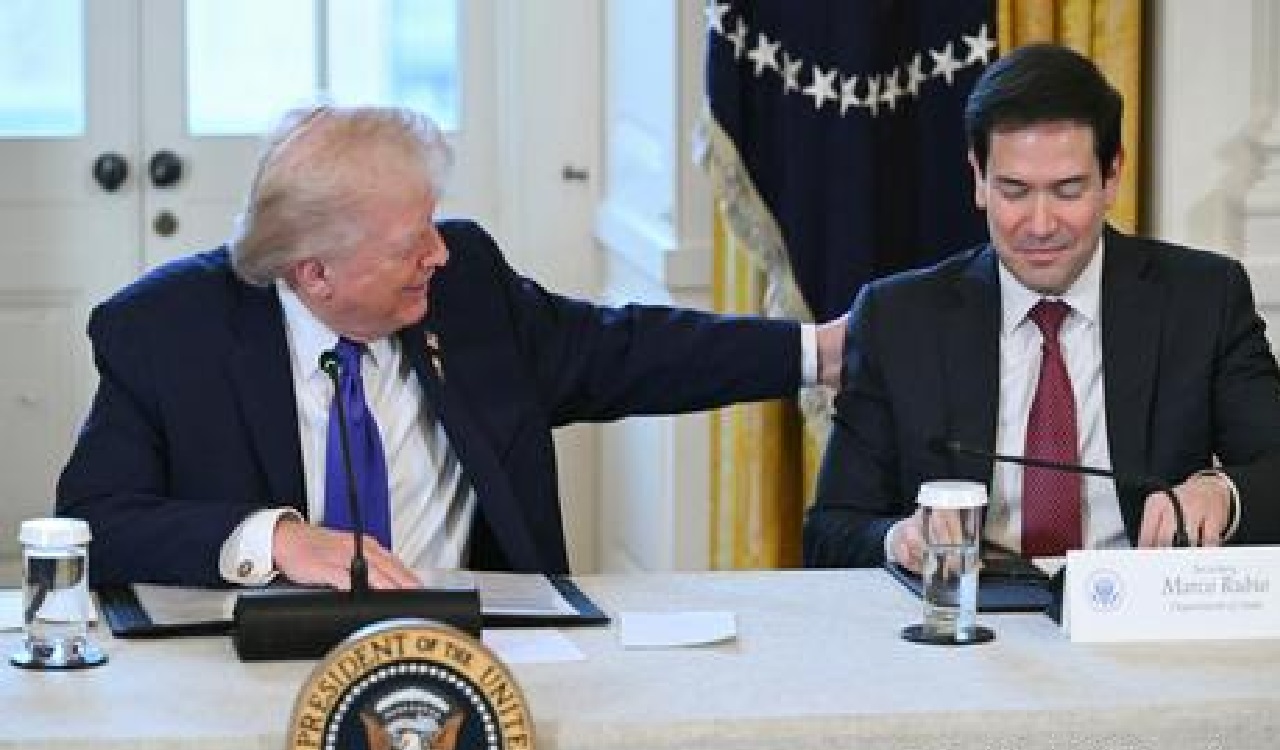
President Donald Trump once again ignited geopolitical debate by amplifying a viral social media quip claiming Secretary of State Marco Rubio would become the “President of Cuba.” Trump reposted the remark and added his own endorsement: “Sounds good to me.” While framed humorously, the post landed amid heightened U.S. pressure on Havana and broader upheaval in Latin America, giving the joke a sharper political edge than its casual tone suggested.
From Meme to Message
The episode unfolded over January 10–11, 2026, when Trump shared on Truth Social a post originally published on X by a private user predicting Rubio’s ascension to power in Cuba. Rubio, a Cuban-American senator-turned–Secretary of State with deep family roots in the exile community, has emerged as a central architect of Washington’s Latin America policy under Trump.
The timing was critical. Just days earlier, U.S. special forces carried out “Operation Absolute Resolve,” a dramatic raid in Caracas that resulted in the capture of Venezuelan leader Nicolás Maduro and his wife. The operation, justified by Washington on narco-terrorism charges, sent shockwaves across the region and immediately altered the political and economic balance affecting Cuba.
Cuba, Venezuela, and U.S. Leverage
For years, Havana relied heavily on Venezuelan oil shipments and financial support, offering intelligence and security assistance to Caracas in return. Maduro’s removal abruptly severed that arrangement. Shipping data indicates that Venezuelan oil flows to Cuba halted almost immediately, deepening Cuba’s ongoing economic crisis marked by blackouts and shortages.
Trump publicly warned Cuban leaders that the era of subsidized energy was over, urging them to negotiate with Washington “before it is too late.” Within this context, the Rubio post appears less like idle banter and more like symbolic pressure—using humor to underscore U.S. dominance and signal the possibility of a tougher approach toward Cuba without announcing a formal policy shift.
Regional Reactions: Applause, Alarm, and Defiance
Latin American leaders responded unevenly, reflecting deep ideological divides. Right-leaning allies of Trump largely welcomed the broader U.S. assertiveness. Argentina’s libertarian president Javier Milei praised Washington’s post-Maduro actions as a “triumph for freedom,” while El Salvador’s Nayib Bukele offered tacit approval through supportive online messaging. Though neither addressed the Rubio joke directly, their reactions suggested comfort with the underlying message of confronting leftist regimes.
On the other side, progressive governments bristled. Brazil’s President Luiz Inácio Lula da Silva criticized what he described as a revival of Cold War–era interventionism, linking Trump’s rhetoric on Cuba to a long history of U.S. interference. Mexico’s President Claudia Sheinbaum defended continued oil shipments to Cuba on humanitarian grounds, implicitly countering Trump’s pressure campaign. Colombia’s Gustavo Petro, already at odds with Trump, warned that such gestures risk destabilizing the region further.
No unified response emerged from regional blocs like CELAC or the OAS, but left-leaning media outlets across Latin America framed the episode as emblematic of neo-imperial arrogance.
Humor as Power Projection
Trump’s repost about Marco Rubio becoming “President of Cuba” was never meant as a literal policy declaration. Yet in a volatile geopolitical moment, humor became a tool of statecraft—projecting confidence, testing reactions, and reinforcing U.S. leverage over an isolated Havana. The polarized responses across Latin America underscore how even offhand remarks can deepen regional fault lines. As Rubio’s influence grows and Washington tightens its economic grip, the episode illustrates a broader shift toward blunt, personality-driven diplomacy that continues to reshape perceptions of U.S. power in the Western Hemisphere.
(With agency inputs)