Flames Across the Durand Line
The rugged borderlands between Afghanistan and Pakistan are once again echoing with the sounds of war. A renewed wave of hostility, marked by airstrikes, cross-border incursions, and bitter accusations, has shattered whatever fragile calm existed between the two neighbors. Pakistan’s bombardment of Kabul, aimed at Tehrik-i-Taliban Pakistan (TTP) hideouts, has triggered fierce retaliation from the Taliban regime—an escalation that now threatens to spiral beyond control. In the midst of this regional turmoil, US President Donald Trump has re-entered the global conversation, declaring his readiness to “solve” the conflict. His remarks, typically brash yet attention-grabbing, have reignited debates about American interventionism, South Asian geopolitics, and Trump’s quest for global recognition.
Trump’s Bold Claim: “I Love Solving Wars”
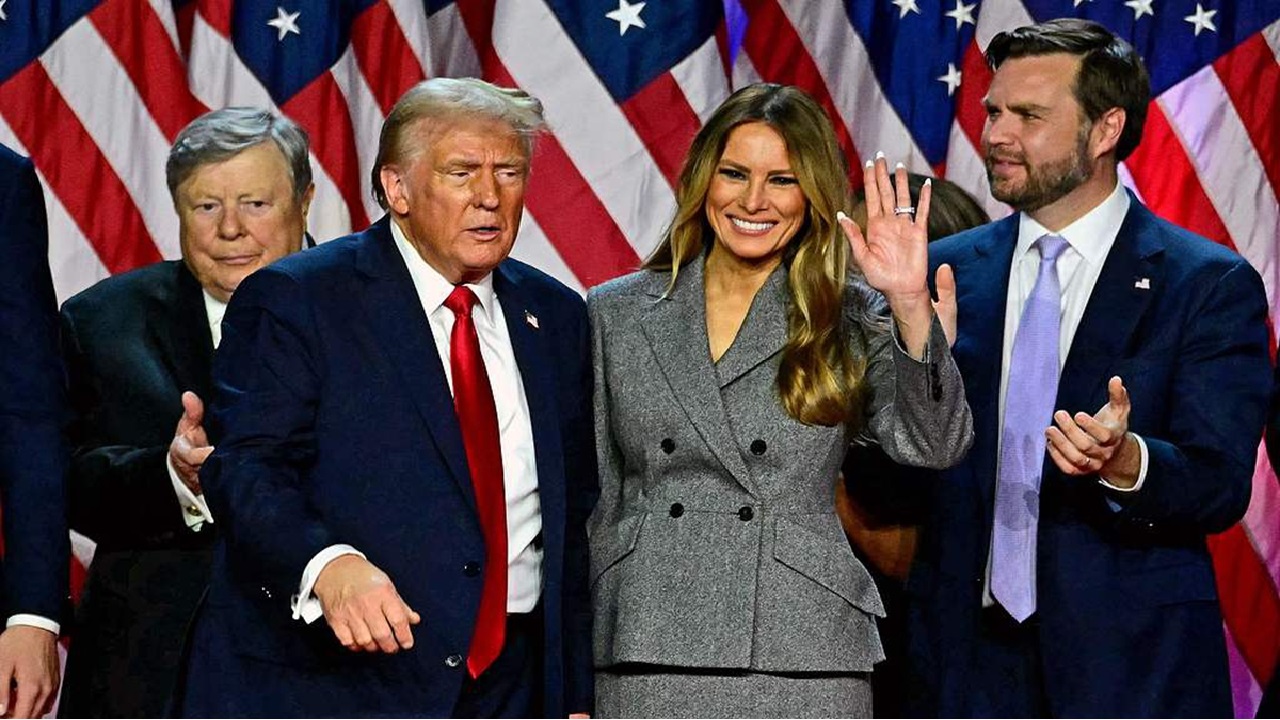
Speaking to reporters at the White House, the 79-year-old Trump reaffirmed his flair for the dramatic. “I love solving wars,” he said confidently, claiming that if he were to mediate between Pakistan and Afghanistan, it would mark the ninth conflict he had resolved. With characteristic bravado, Trump noted that “Pakistan attacked Afghanistan,” but quickly added that ending such a conflict would be “an easy one” for him—if only he weren’t busy “running the USA.”
The comments followed his pattern of self-praise for global peace efforts. Trump asserted he had already saved “millions of lives” by stopping wars and lamented that, despite these feats, the 2025 Nobel Peace Prize went not to him but to Venezuelan leader María Corina Machado. “I don’t care about that stuff,” he added, “I just care about saving lives.”
A Region on Edge: The Pakistan-Afghanistan Flashpoint
The renewed border conflict stems from Pakistan’s airstrikes in Kabul targeting alleged TTP sanctuaries. Islamabad accuses Afghanistan’s Taliban government of harboring militants responsible for attacks across Pakistan. Kabul, in turn, rejects these claims, accusing Pakistan of violating its sovereignty.
The situation escalated dramatically when the Taliban captured several Pakistani military posts along the Durand Line, killing multiple soldiers. A brief 48-hour ceasefire provided only temporary relief before hostilities resumed—resulting in eight Afghan deaths, including three national cricketers. In protest, Afghanistan canceled a tri-nation cricket series with Pakistan and Sri Lanka, underscoring how the conflict has begun to affect even non-military relations.
Trump’s Record of “Peace Deals” and the Nobel Controversy
Trump’s renewed involvement comes amid his repeated claims of mediating peace between India and Pakistan in previous years—claims India has firmly denied. During his latest remarks, he again credited himself for defusing “four-day conflicts” and lamented the lack of recognition from the Nobel Committee. “Every time I solve one, they say, ‘Solve the next and you’ll get the Nobel Prize.’ But I never get it,” he said, half-jokingly but with clear irritation.
This self-image as a global peacemaker feed into his broader campaign narrative—a man capable of ending wars where others failed, whether in the Middle East, Africa, or South Asia.
Pakistan’s Appeal and Flattery
In Islamabad, the notion of Trump as peacemaker has found unexpected traction. Defence Minister Khawaja Asif, in an interview with GeoTV, openly welcomed Trump’s involvement, calling him “the first US president who stopped wars instead of starting them.” The praise appeared as much a diplomatic gesture as a strategic move. With the Taliban proving unexpectedly resilient and public sentiment turning against prolonged conflict, Pakistan’s leadership seems eager to seek a powerful intermediary—particularly one sympathetic to their narrative.
The Hidden Agenda: Afghanistan’s Bagram Base and Strategic Stakes
Behind Trump’s interest lies a deeper geopolitical calculus. Just weeks earlier, he voiced America’s desire to reclaim Afghanistan’s Bagram Air Base, citing its proximity— “an hour away from where China makes its nuclear weapons.” The Taliban, however, swiftly rejected the proposal, unwilling to allow any return of US military presence.
Meanwhile, Pakistan has gone into overdrive to rebuild ties with Trump’s America: signing cryptocurrency agreements, endorsing his peace efforts, and even floating his name for the Nobel Prize. These gestures underline Islamabad’s growing anxiety over its fragile ceasefire and its dwindling leverage with both Kabul and Washington.
Proxy Accusations and Mounting Paranoia
The fragile ceasefire has been marred by mistrust. Pakistani officials now accuse the Taliban of acting as proxies for India—an assertion Islamabad’s Defence Minister Khawaja Asif repeated when he claimed Kabul’s actions were “being sponsored by Delhi.” The remark followed Taliban Foreign Minister Amir Khan Muttaqi’s recent visit to India, which only deepened Pakistan’s suspicions.
Meanwhile, both sides continue to trade deadly fire. Pakistani airstrikes in Kandahar reportedly killed dozens of Taliban fighters, while the Taliban claims to have seized Pakistani tanks and weapons. The image of Taliban fighters posing on captured Pakistani tanks has deeply embarrassed Islamabad, exposing glaring weaknesses in its military intelligence and border defenses.
Between Diplomacy and Desperation
As violence persists, Pakistan’s plea for Trump’s mediation reflects both desperation and calculation. On one hand, Islamabad seeks to avoid further humiliation at the hands of the Taliban; on the other, it hopes to leverage Trump’s desire for global validation. Yet, the question remains: can a leader known for impulsive diplomacy truly bring peace to one of the world’s most volatile frontiers?
Whether Trump’s “love for solving wars” translates into real-world stability or remains another headline-grabbing boast, the people of Afghanistan and Pakistan continue to pay the price. In this troubled region, peace requires more than bravado—it demands patience, credibility, and the humility to listen.
(With agency inputs)