Submarine Gambit Escalates Global Nuclear Tensions
In a stark escalation of nuclear brinkmanship, US President Donald Trump’s decision to deploy two nuclear submarines near Russian waters has triggered a dramatic response from Moscow. Russia has now officially withdrawn from the historic Intermediate-Range Nuclear Forces (INF) Treaty, a cornerstone of Cold War arms control, citing growing threats to its national security. The move has sent shockwaves through diplomatic circles and raised fresh fears about the unraveling of nuclear stability between global powers.
The End of the INF Treaty: Moscow Pulls the Plug
Signed in 1987 by US President Ronald Reagan and Soviet leader Mikhail Gorbachev, the INF Treaty was a landmark accord that eliminated all ground-launched nuclear missiles with ranges between 500 and 5,500 kilometers. It was instrumental in diffusing Cold War-era tensions and remained a symbol of superpower restraint for over three decades.
But on Monday, the Russian Foreign Ministry declared that the country no longer considers itself bound by the treaty’s provisions. According to the statement, “destabilizing actions” by the United States and its NATO allies have created a “direct threat” to Russia’s security. With the US reportedly planning missile deployments in Europe and the Asia-Pacific, Russia stated that “the conditions for maintaining a unilateral moratorium on the deployment of similar weapons have disappeared.”
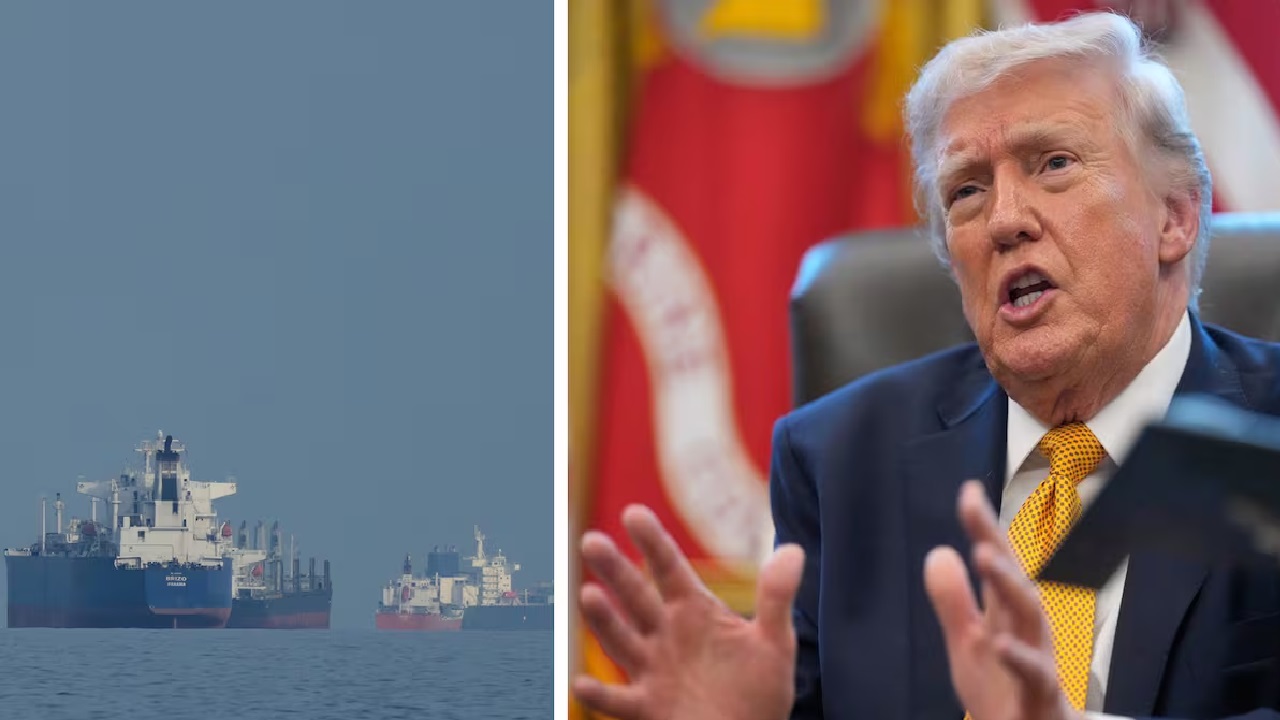
This announcement comes just days after Trump ordered two nuclear submarines to be positioned near Russian waters—an aggressive counter to provocative statements made by former Russian President Dmitry Medvedev.
Medvedev’s Warning: A ‘New Reality’ Takes Shape
Dmitry Medvedev, once viewed as a moderate voice in Russian politics, has increasingly adopted a hardline stance. As deputy head of Russia’s powerful Security Council, Medvedev warned that Moscow would take additional steps in response to the West’s growing military posture.
“This is a new reality all our opponents will have to reckon with,” he said, alluding to further strategic maneuvers that Russia may soon undertake. Though he did not detail those measures, analysts suggest they could involve deploying previously banned missile systems or reinforcing nuclear readiness.
Medvedev and Trump have recently exchanged sharp words on social media, with tensions mounting over the continued war in Ukraine and NATO’s eastward pressure.
A Dangerous Precedent: Experts Sound the Alarm
Global security experts warn that the collapse of the INF Treaty could have profound consequences for international peace. “We are entering a dangerous phase where mutual arms control is being replaced by mutual suspicion and force projection,” said Dr. Elena Ivanova, a nuclear policy expert at the Stockholm International Peace Research Institute (SIPRI). “This development may revive a new arms race—one without the guardrails of Cold War treaties.”
The return to Cold War-style military posturing is seen as a severe blow to the spirit of nuclear disarmament. Without INF constraints, both the US and Russia now have a freer hand to develop and deploy a class of weapons that can strike within minutes—leaving virtually no time for diplomatic intervention in a crisis.
World Peace at a Crossroads
As both Washington and Moscow dig in, the unraveling of long-standing nuclear agreements threatens to undermine decades of arms control progress. Trump’s submarine maneuver, intended as a show of strength, has instead deepened the rift with Russia and prompted a retreat from mutual restraint.
Unless cooler heads prevail and dialogue resumes, the global community could soon witness the return of short- and medium-range nuclear missiles across volatile regions—casting a long and dangerous shadow over global peace and stability.
(With agency inputs)