


A Sharp Turn in U.S.-India Trade Relations
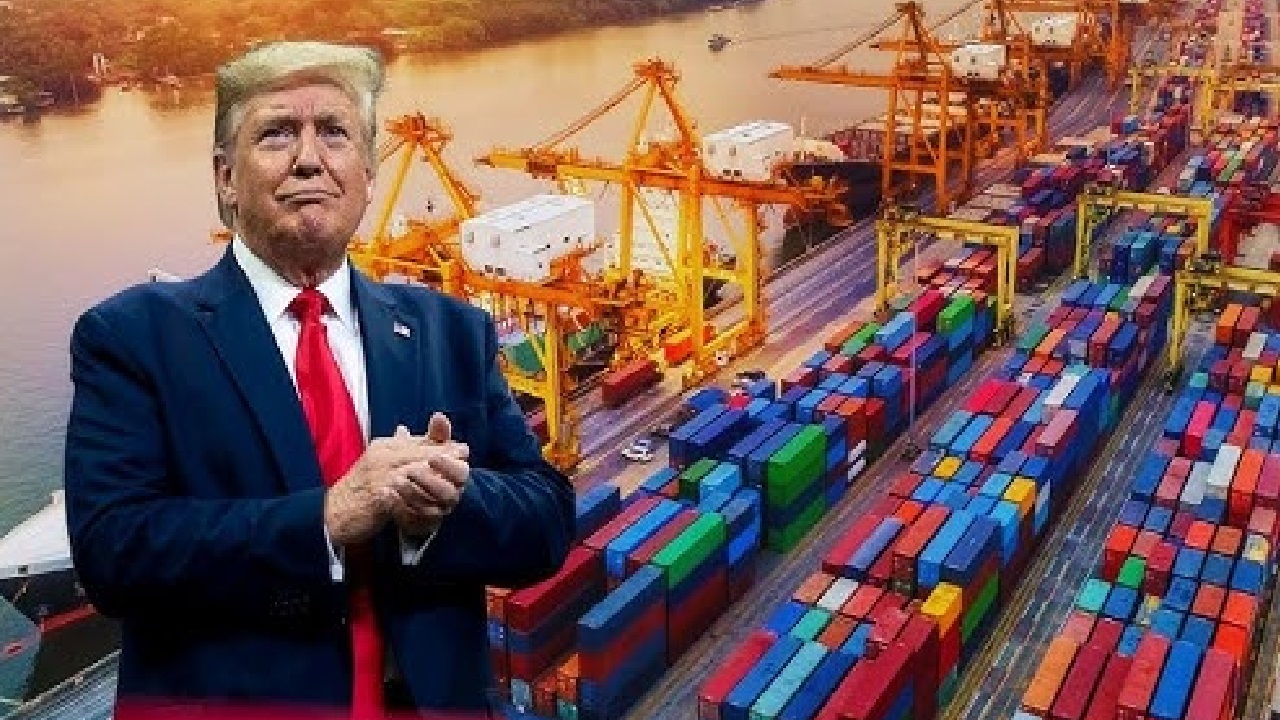
In a dramatic escalation of economic tensions, U.S. President Donald Trump has doubled down on tariffs against India, imposing a total of 50% duties on Indian exports. This steep increase, triggered by India’s continued oil imports from Russia, marks one of the most significant trade confrontations between Washington and New Delhi in recent years. India, a long-time strategic partner to the U.S., has strongly condemned the move, labeling it unfair and disproportionate. The implications for India’s economy, export industries, and diplomatic stance are profound — and potentially lasting.
The Announcement: Trump’s 50% Tariff Offensive
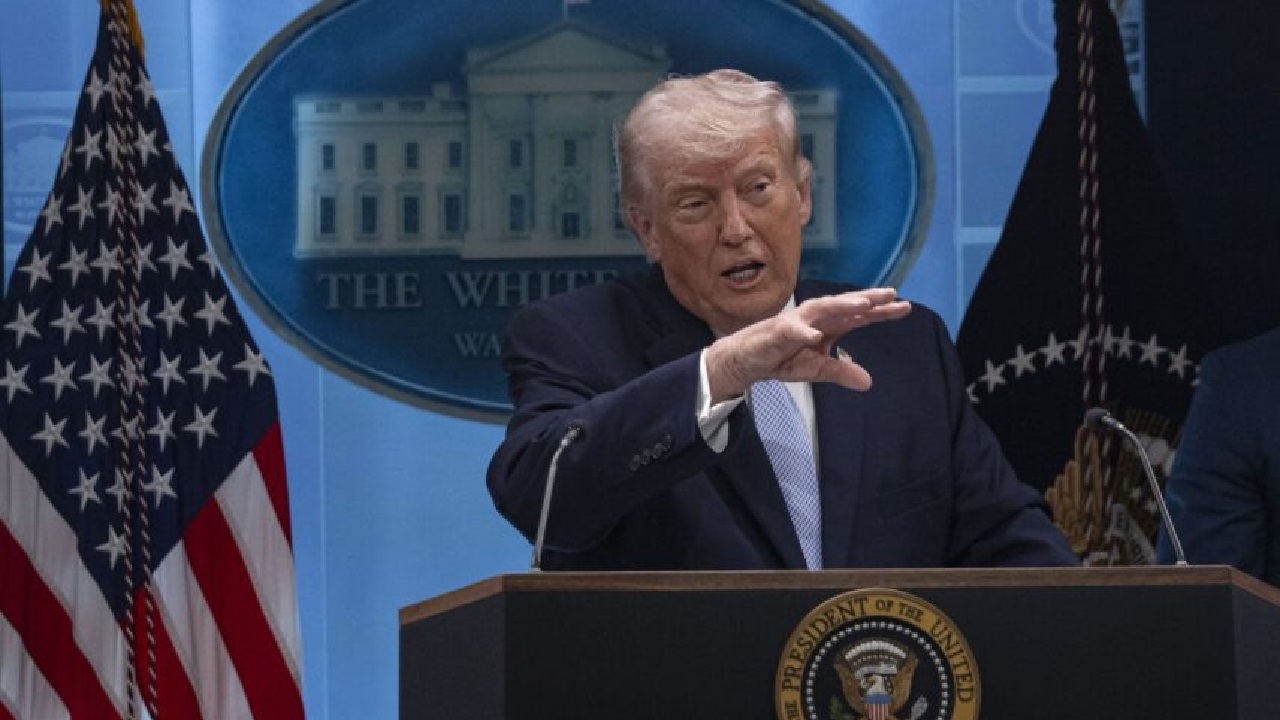
On August 6, Trump unveiled a sweeping set of trade penalties against India. The announcement included an immediate 25% tariff, effective August 7, and an additional 25% to be implemented on August 27. These measures, Trump claimed, were part of an executive order under the title “Addressing Threats to the U.S. by the Russian Federation.” He argued that India’s continued energy trade with Russia posed a threat to American foreign policy and national security, invoking emergency executive powers to justify the sanctions.
Trump directly criticized India for allegedly profiting from discounted Russian crude. “India is not only buying large quantities of Russian oil,” he posted on social media, “they’re also selling it onward at a premium, showing complete disregard for the suffering in Ukraine.” This additional tariff layer now places India alongside Brazil with the highest U.S. tariffs globally.
India’s Response: Defiance, Not Retreat
India reacted swiftly and strongly to Trump’s latest move. The Ministry of External Affairs (MEA) described the new tariffs as “unjust, arbitrary, and unacceptable,” emphasizing that its energy decisions are guided by domestic priorities and market realities, not geopolitical pressures.
Prime Minister Narendra Modi addressed the nation on the matter, underscoring that India would not compromise its sovereignty or the welfare of its primary producers. “India will never compromise the interests of its farmers, livestock rearers, and fisherfolk. I am aware that this stance might come at a significant cost, but I am fully prepared to bear it,” Modi said during a public event in Delhi.
His remarks served as both a domestic reassurance and a strategic signal to Washington that India is unwilling to bow under pressure, particularly when national self-reliance and energy security are at stake.
Domestic and Political Backlash: Strong Reactions Across the Spectrum
Opposition leaders joined the chorus of disapproval, framing the tariffs as economic coercion. Congress leader Rahul Gandhi called the 50% duty hike a form of “economic blackmail” and criticized the Modi government for potentially caving to foreign pressure. “This is an attempt to bully India into an unjust trade deal,” Gandhi posted on X (formerly Twitter), “and the Prime Minister must not let his weakness jeopardize national interests.”
Veteran MP Shashi Tharoor echoed these concerns, calling out the perceived double standards in U.S. policy. He noted that while other nations — particularly China — continue robust trade with Russia, India seems to be unfairly singled out. “It’s unfortunate,” Tharoor commented, “that a supposed ally like the U.S. is resorting to punitive trade tactics instead of diplomacy.”
Economic Fallout: What’s at Stake for India
The new tariffs have sent ripples through India’s economic circles, with major concerns about the damage they could inflict on exports and industry. Analysts warn that this move could derail nearly 60% of India’s $91 billion exports to the U.S., threatening up to $63.5 billion worth of trade.
Sectors such as textiles, auto components, electronics, pharmaceuticals, and chemicals are expected to be hit the hardest. According to UBS estimates, around $8 billion worth of Indian exports are now acutely vulnerable, particularly in segments like gems and jewellery, apparel, and specialty chemicals.
The rise in tariffs means Indian goods will be significantly more expensive for American consumers and companies — potentially making them uncompetitive in one of India’s largest markets. For industries already navigating inflation and global supply chain disruptions, this additional hurdle could be disastrous.
Diplomatic Window: Trade Talks Still on the Table
Despite the mounting tensions, there remains a sliver of diplomatic opportunity. A team of U.S. negotiators is scheduled to arrive in New Delhi on August 25, just two days before the second tranche of tariffs is due to come into effect. While the agenda is currently focused on trade negotiations, Indian officials are expected to make a strong case for reconsideration of the duties.
Indian diplomats have emphasized that their oil trade decisions are rooted in energy security for over 1.4 billion citizens, not geopolitical posturing. “Our imports are based on practical market dynamics,” the MEA clarified, “and we believe it’s unjust to penalize us for pursuing what other nations are also doing in their national interest.”
This upcoming dialogue may offer a chance for de-escalation, but experts caution that without a shift in Washington’s stance, any reversal is unlikely.
A Defining Test for India-U.S. Relations
Trump’s tariff escalation marks a defining moment in India-U.S. trade relations. While the two nations have spent years building strategic and economic ties, this sharp turn underscores the volatility that geopolitical disagreements — especially over third-party conflicts — can bring.
For India, the challenge now lies in balancing its energy needs and sovereign decision-making with the economic repercussions of alienating a top trading partner. The immediate costs may be steep, but New Delhi’s strong stance signals a desire to assert its autonomy on the global stage.
The upcoming negotiations could still offer a path forward — but for now, the 50% tariff stands as a stark reminder of how quickly alliances can be tested in the crossfire of international politics.
(With agency inputs)