A New Trade Flashpoint
In a move that has sent ripples across international trade corridors, US President Donald Trump has announced a 25% tariff on Indian imports, reigniting tensions with New Delhi and taking aim at its ties with Moscow. His aggressive stance is part of a broader strategy to pressure countries perceived as supporting Russia’s war in Ukraine. The rhetoric has been fiery, the implications far-reaching, and reactions from Indian political circles deeply polarized.
Trump’s Broadside: “Dead Economies Can Sink Together”
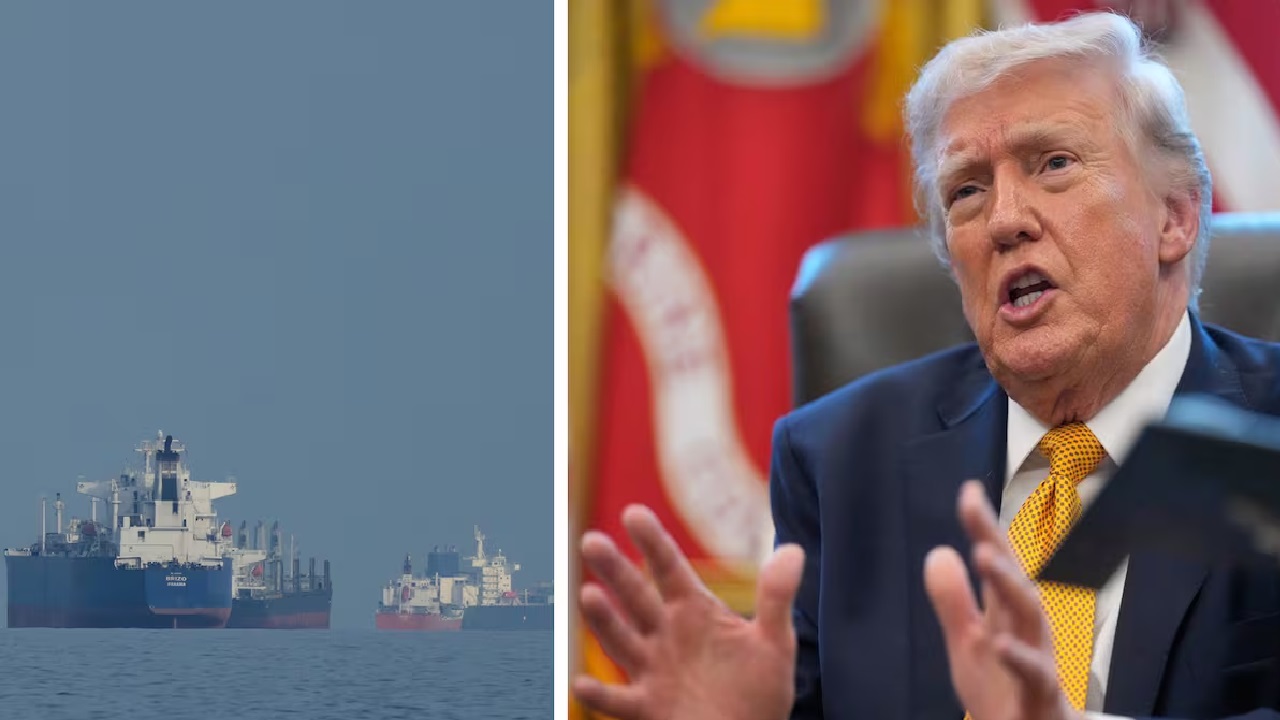
Just a day after slapping tariffs on Indian imports, Trump took to Truth Social to unleash a scathing attack on India and Russia. “I don’t care what India does with Russia. They can take their dead economies down together, for all I care,” he wrote, signaling sharp disapproval of New Delhi’s growing energy and defense ties with Moscow. Dismissing the significance of US-India trade, Trump claimed Washington has “done very little business” with India due to its “high tariffs” and “obnoxious” trade barriers.
Targeting Trade: The Tariff Bomb and Its Justification
The imposition of a 25% tariff on Indian imports was justified by Trump as a necessary corrective measure against what he described as India’s unfair trade practices. “India’s tariffs are among the highest in the world,” he asserted, citing a “massive” trade deficit and calling out non-monetary barriers that make it difficult for American businesses to operate in the Indian market.
Moreover, Trump linked the new tariffs to India’s continued military and energy deals with Russia, arguing that both India and China are “funding” Russia’s war machine. “They have always bought the majority of their military equipment from Russia,” he stated. “Along with China, they are Russia’s largest buyers of energy at a time when the world wants the killing in Ukraine to stop.”
India’s Response: Strategic Silence and Cautious Diplomacy
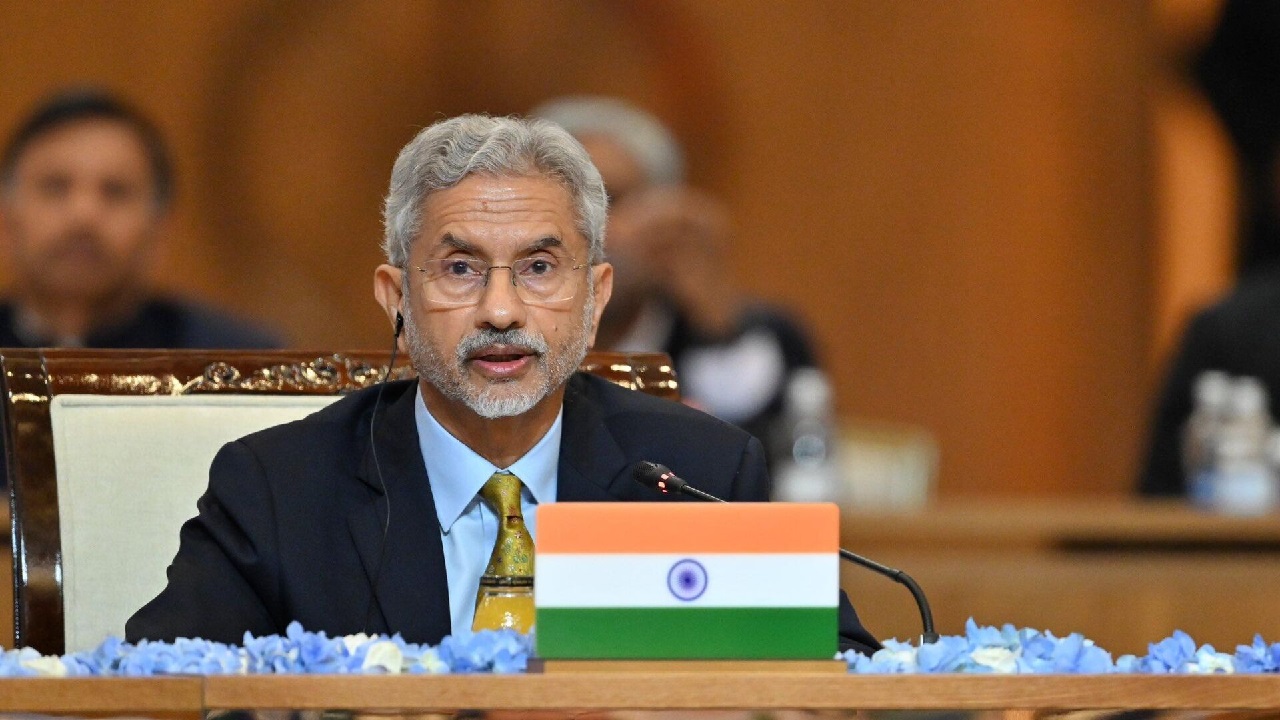
India has responded with calculated restraint. In a formal statement, the Ministry of Commerce and Industry said the government has “taken note” of the tariffs and is “studying their implications.” It emphasized India’s ongoing negotiations with the US toward a “fair, balanced, and mutually beneficial” trade agreement, while also reaffirming its commitment to protecting domestic interests—especially those of farmers, entrepreneurs, and MSMEs.
“The Government will take all steps necessary to secure our national interest,” the statement added, referencing other trade deals such as the recent pact with the UK as examples of India’s proactive diplomacy.
Opposition Reactions: From “Howdy Modi” to “High Tariffs”
The Indian opposition, particularly the Congress party, seized the moment to criticize Prime Minister Narendra Modi’s foreign policy. Highlighting Modi’s past camaraderie with Trump, especially during the 2019 “Howdy, Modi” event in Texas, Congress declared, “The country is now bearing the cost of Narendra Modi’s ‘friendship’.”
Congress MP Mallu Ravi argued that Trump’s rhetoric amounted to threats against India, and urged the government to respond with clarity and firmness. “It seems as if he is threatening India. We should give him a proper answer,” Ravi said.
AAP MP Sanjay Singh went further, accusing Modi of repeatedly “insulting India” by aligning too closely with Trump. Referring to previous comments where Trump allegedly favored Pakistan and discouraged Apple’s expansion in India, Singh said, “PM Modi should oppose this tariff threat strongly and state his next steps clearly.”
BJP’s Stance: Urging Patience, Promising Strategy
The ruling Bharatiya Janata Party (BJP), while calling the tariff announcement “unfortunate,” advised the public to wait for an official government stance. Senior BJP leaders pointed out Trump’s tendency to reverse course and suggested that a long-term strategic response was already being considered.
BJP MP Pratap Sarangi struck a defiant note: “We are confident that under PM Modi’s leadership, America will not be able to successfully execute this strategy. We will also make a strong counter-strategy.” The party reiterated faith in diplomatic dialogue and India’s ability to protect its interests on the global stage.
A Larger Pattern: Tariffs as Trump’s Weapon of Choice
This latest development fits a broader pattern under Trump’s presidency—using tariffs as a tool of geopolitical pressure. Since returning for his second term in January, Trump has levied duties on nearly all of the US’s major and minor trading partners, citing unbalanced trade relationships and national security concerns.
India is only the latest in a long line of countries to face his economic wrath, but given its strategic importance and its complex ties with Russia, the fallout from this move may be more complicated than most.
Between Two Fires
As tensions mount, India finds itself caught between maintaining strategic autonomy and managing a turbulent partnership with Washington. Trump’s tariffs have sparked domestic political friction and stirred diplomatic challenges, but they also highlight a deeper debate—how far India can assert its independent foreign policy while engaging with rival superpowers. The coming weeks may define whether trade talks resume or whether this economic confrontation escalates further.
(With agency inputs)