A Not-So-Subtle Shift in the South Asian Chessboard
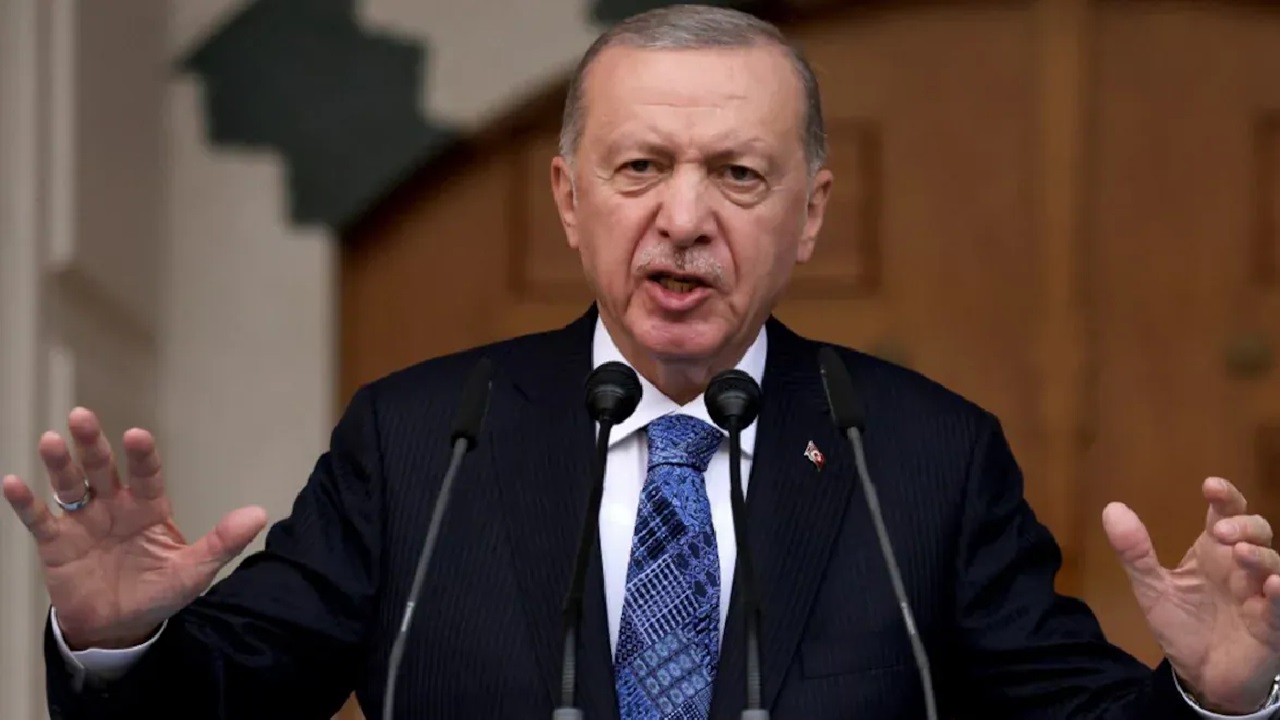
As tensions surged between India and Pakistan during Operation Sindoor, the world watched closely to see which global players would choose sides—or stay neutral. But Turkey, under President Recep Tayyip Erdogan, made a calculated, unmistakable move: it chose Pakistan.
From unverified reports of Turkish cargo planes carrying military supplies to Islamabad, to sharp diplomatic condemnations of India’s actions, Turkey’s alignment was loud and clear. This shift isn’t just a diplomatic blip—it’s a recalibration of Ankara’s strategic vision for South Asia, one that could reshape regional balances and challenge India’s geopolitical footing.
Turkey’s Calculated Pivot: From Trade to Security
Once an advocate of the “Asia Anew Initiative,” where trade and multilateral cooperation with Asian nations were prioritized, Turkey has now veered sharply toward a securitised foreign policy in South Asia. And central to this shift is Pakistan.
While Ankara officially denied military involvement, multiple reports indicated Turkish arms transfers to Pakistan during the conflict. Erdogan’s repeated affirmations of support for Pakistan, post-Operation Sindoor, emphasized that security concerns now outweigh economic diplomacy.
Turkey has effectively abandoned ambiguity in its South Asia policy—making it clear who its ally is, and who isn’t.
The Ankara-Islamabad Axis: A Marriage of Strategic Necessity
The Turkey-Pakistan alliance isn’t just built on shared Islamic ties or sentimental diplomacy—it’s a mutual response to Western neglect.
After Turkey’s controversial purchase of Russia’s S-400 missile defense system, NATO allies froze it out of crucial defense programs, notably the F-35 fighter jet. Similarly, Pakistan, once the West’s regional ally, has been pushed into dependency on Chinese military hardware.
Two estranged powers, side-lined by the West, are now leaning on each other for strategic survival. Turkey’s growing military-industrial complex offers Pakistan an alternative to its China-centric dependency, while Pakistan offers Ankara a loyal defence partner in Asia.
The question isn’t why they came together—but whether this bond is worth sacrificing ties with India.
At India’s Expense: A Diplomatic Gamble
Choosing Pakistan has come with consequences—strained and stagnated relations with India. From 2019 onwards, after India revoked Article 370 and altered the status of Jammu & Kashmir, Turkey has repeatedly sided with Islamabad, calling India’s actions “provocative” and “destabilising.”
This culminated in a media and diplomatic cold war between Ankara and New Delhi, especially between 2019–2022.
Turkey tried to play mediator, offering to “normalize” Indo-Pak ties and resolve Kashmir diplomatically. But India, firm on its internal sovereignty, rebuffed these overtures. The fallout? New Delhi turned increasingly cold toward Ankara.
A Game of Realignments: India’s Strategic Response
India hasn’t sat idle. It responded to Turkey’s tilt by tightening defence and economic relations with Ankara’s adversaries—Greece, Cyprus, Israel, and the UAE.
In the Nagorno-Karabakh war (2020), Turkey and Pakistan backed Azerbaijan. Armenia, the loser in the conflict, turned to India for arms and defence systems, notably the Akash air defense system. This sparked a mini-arms race, with Turkey actively marketing its drones and equipment to India’s neighbours—Bangladesh, Maldives, and others.
Meanwhile, India pushed its “Atmanirbhar Bharat” (Self-Reliant India) doctrine, aiming to minimize dependency and assert global influence. But this inward shift also left regional forums like SAARC neglected, allowing others like China, Turkey, and the U.S. to fill the leadership vacuum in South Asia.
Muslim World Dilemma: Balancing India with Pakistan
Not all Muslim nations have followed Turkey’s example. Saudi Arabia and the UAE have succeeded in de-hyphenating their relations with India and Pakistan. They enjoy deep ties with both, focusing on economic pragmatism over religious or ideological solidarity.
Turkey, however, has taken a different path—placing security and strategic positioning above balance. While this has endeared it to Pakistan and strengthened its foothold in Asia, it has pushed India further away.
For Ankara, Islamabad offers loyalty, military synergy, and a shared sense of exclusion from Western favour. India, on the other hand, offers trade and global clout—but comes with non-negotiable red lines, especially on Kashmir.
India’s Foreign Policy: Torn Between Realism and Idealism
India’s global strategy is rooted in the dual doctrines of “India First” and civilizational magnanimity. One emphasizes sovereignty and self-interest, while the other promotes regional harmony without expectations of reciprocity.
But as India increasingly embraces realism— “India First” slowly morphing into “India Alone”—its foreign policy becomes more insular. This shift has inadvertently allowed countries like Turkey and China to penetrate its neighbourhood and forge new alliances.
Despite building successful bilateral ties with global powers, India’s lack of a consistent Turkey policy, beyond reactive posturing, is now proving costly. The growing Ankara-Islamabad axis is a strategic blind spot that New Delhi can no longer ignore.
Time for a Rethink, not a Retort
Turkey’s overt alignment with Pakistan is no longer a diplomatic footnote—it’s a strategic recalibration that India must take seriously.
This alliance was not built overnight; it emerged from mutual isolation, shared goals, and shifting priorities. While India has been focusing on self-reliance and bilateral global partnerships, its neglect of regional diplomacy has allowed other powers to gain ground.
If India wishes to counter Turkey’s growing role in South Asia, it will need a clearer, long-term strategy—not just temporary alliances or symbolic rebukes. Engaging with moderates within the Muslim world, deepening ties with Iran, Saudi Arabia, and Indonesia, and crafting a comprehensive Turkey policy are now essential.
The message from Ankara is loud and clear. The question is—how will Delhi respond?
(With agency inputs)