


A Clash That Echoes the Past
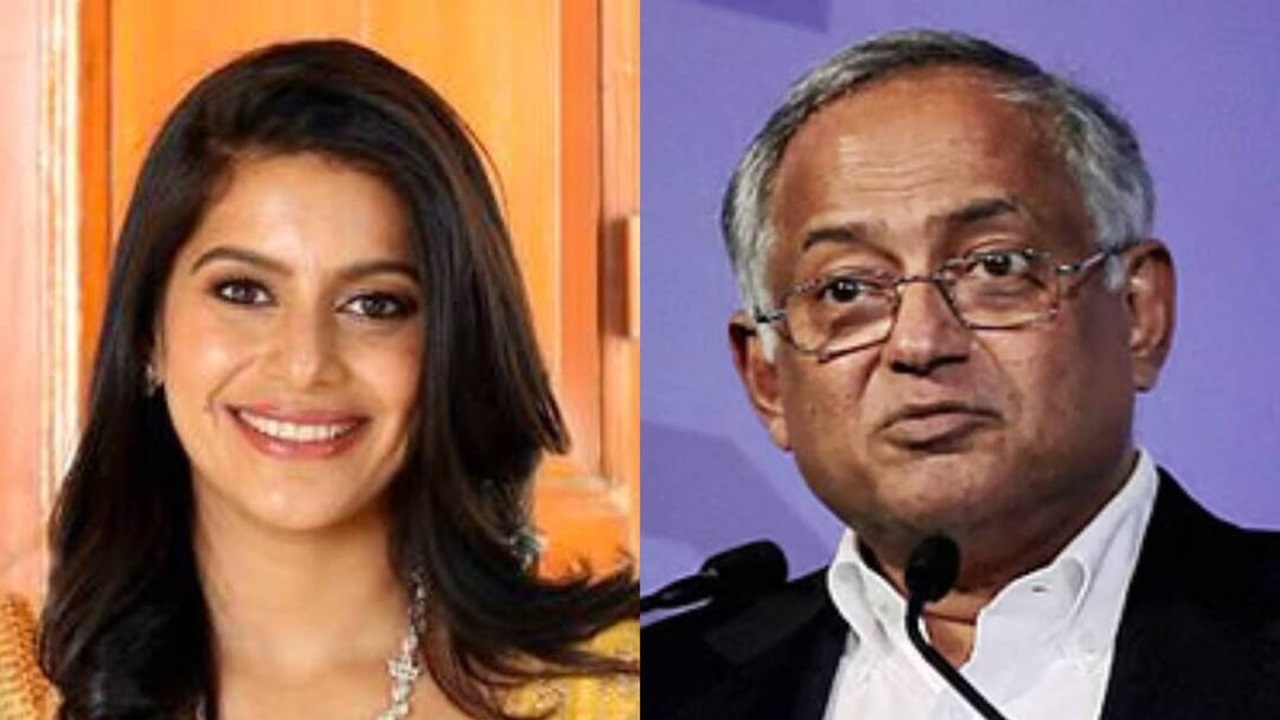
The latest boardroom clash within the TVS Group has exposed tensions that the conglomerate had seemingly buried for decades. What began as a routine governance decision at TVS Holdings quickly escalated into a high-profile standoff between Chairman Venu Srinivasan and his daughter, Managing Director Lakshmi Venu. The episode has drawn regulatory attention and revived memories of internal disagreements from the early 1990s—making it feel like history is repeating itself.
The Flashpoint: More Than an HR Decision
The immediate trigger was the resignation of company secretary P.D. Dev Kishan, accepted by the board in a formal meeting. However, within days, the decision was dramatically reversed in a hastily convened second meeting. Such a swift U-turn is highly unusual for a group known for its disciplined governance.
Reports suggest that Lakshmi Venu had pushed for the initial move, while Venu Srinivasan intervened to overturn it, signalling a reassertion of authority. The involvement of regulators like SEBI further underscores the seriousness of the episode, raising concerns about governance consistency and internal cohesion.
A Restructuring That Didn’t Fully Resolve Control
The TVS Group’s 2022 restructuring was designed to streamline operations and reduce overlap between family branches. TVS Motor came under Sudarshan Venu, while TVS Holdings was aligned with Lakshmi Venu, with the aim of creating clear lines of authority.
On paper, the arrangement appeared to be a textbook example of generational transition in a family-run conglomerate. However, legacy linkages—shared services, cross-holdings, and operational interdependencies—have continued to blur these boundaries. As a result, decisions in one entity still carry implications for the other, keeping old power dynamics alive.
Why 1992 Still Matters
The current conflict mirrors the unresolved tensions of the early 1990s, when economic liberalisation forced Indian business families to rethink control and strategy. At the time, the TVS family grappled with questions about centralisation, autonomy, and leadership authority.
While those disputes were managed and contained, they were never fully resolved. Today’s clash—marked by a senior patriarch stepping in to counter a next-generation leader—echoes those earlier struggles. It highlights that structural changes alone cannot erase deeply embedded questions of control.
Governance, Succession, and Perception
Analytically, this episode reveals a broader challenge faced by many Indian family businesses. Formal restructurings may clarify ownership, but they often fall short of resolving issues of influence and decision-making power.
In the case of TVS, the contrast between the strong performance of TVS Motor and the evolving position of TVS Holdings may be intensifying internal comparisons. This, in turn, sharpens questions about leadership effectiveness and authority, turning boardrooms into arenas for deeper strategic disagreements.
Beyond Structure, Toward Clarity
The TVS boardroom clash is not just a momentary dispute—it is a reflection of unresolved institutional and familial dynamics. It underscores that governance frameworks, no matter how well designed, must be supported by clear alignment on authority and vision.
As the group navigates this phase, its ability to reconcile generational perspectives while maintaining governance credibility will be crucial. The lesson is clear: enduring stability in family-run enterprises depends not just on structural reforms, but on addressing the underlying questions of control that structures alone cannot settle.
(With agency inputs)