A Storm of Unprecedented Scale
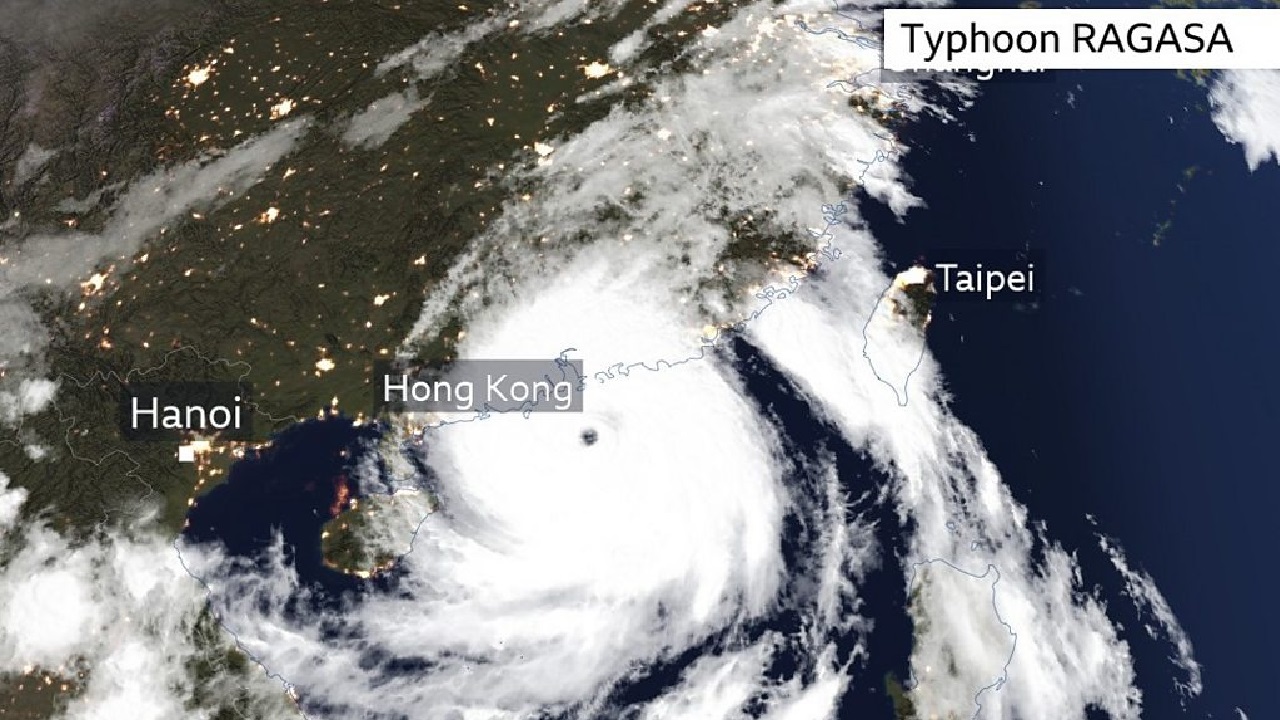
Typhoon Ragasa, the most powerful tropical cyclone to strike this year, is tearing across East Asia, leaving a trail of destruction from Taiwan to Hong Kong and now bearing down on southern China. What began as a Category 5 super typhoon over the Western Pacific has weakened to Category 3 but continues to pack devastating winds, torrential rains, and storm surges that threaten millions across the Pearl River Delta.
Taiwan’s Anguish: Lives Lost and Communities Submerged
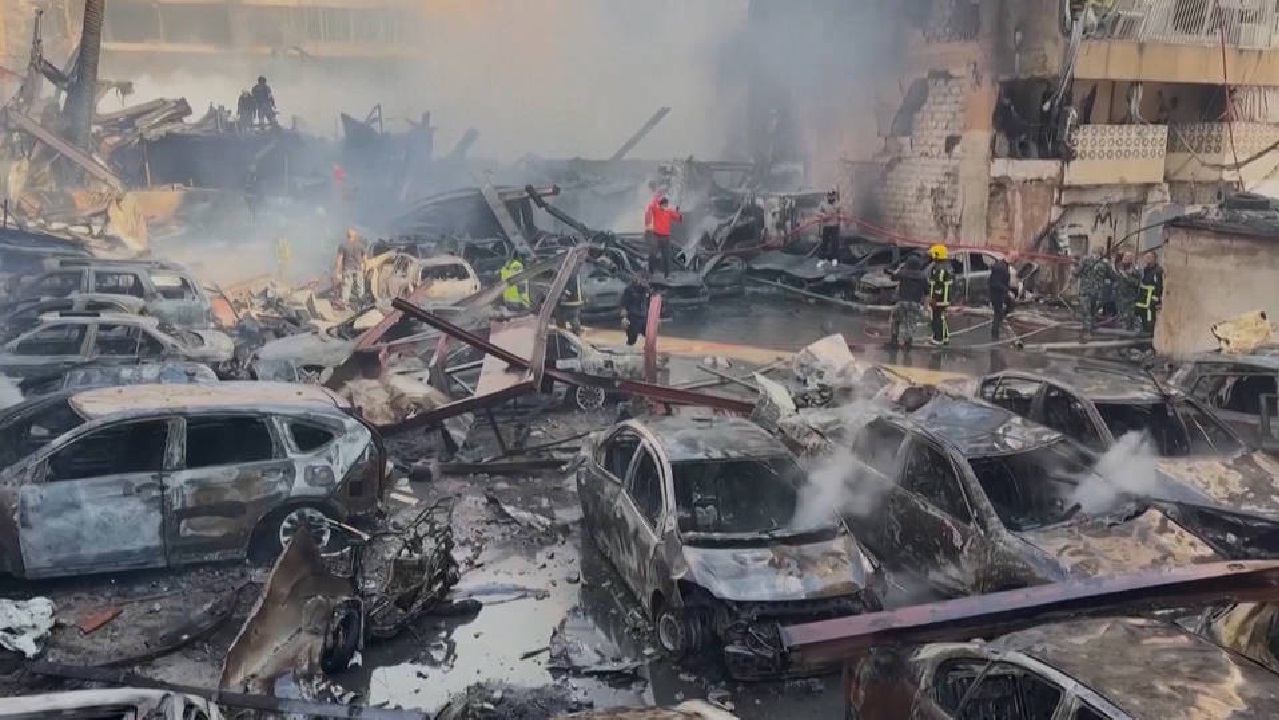
Taiwan has borne the worst of Ragasa’s fury so far. Fourteen people have been confirmed dead, while at least 129 remain missing in Hualien County after a barrier lake burst and unleashed a torrent through the town of Guangfu. Survivors have accused local authorities of failing to provide timely warnings, despite the island’s long experience in disaster preparedness. For a nation accustomed to typhoons, this tragedy raises painful questions about early-warning systems and evacuation protocols.
Hong Kong Lashed by Seas and Wind
As Ragasa skirted Hong Kong, the city endured violent waves, fierce winds, and widespread flooding. Viral videos captured seawater bursting into the Fullerton Hotel on the island’s south side, turning its lobby into a river. Roads, residential neighborhoods, and beaches across the territory were swamped. At least 50 people sustained injuries, while nearly 800 residents sought refuge in temporary shelters. Authorities hoisted the maximum Typhoon Signal 10 before later downgrading it to 8, keeping much of the city frozen in shutdown mode.
In Macau, neighboring casinos sealed off gaming floors and barred guests from leaving hotels. On China’s social media platform Xiaohongshu, residents posted videos of doors barricaded against gales and flying debris—reminders of how even the world’s wealthiest leisure hub remains vulnerable to nature’s wrath.
China Prepares: Evacuations and Precautionary Moves
Southern China now braces for Ragasa’s landfall, expected along Guangdong province’s coast. Cities like Guangzhou, Shenzhen, Foshan, and Dongguan—together home to 50 million people—stand directly in the storm’s path. Authorities have already evacuated over 770,000 residents and distributed tens of thousands of emergency tents, beds, and rescue supplies. Businesses are improvising protective measures, with some restaurants parking trucks in front of glass doors to guard against shattering winds.
China’s marine authority has issued its highest “red” alert for storm surges, warning of waves up to 2.8 meters. Low-lying areas, particularly around Shenzhen, remain at extreme risk of flooding. Residents, however, reveal a mix of caution and curiosity. “We live on an upper floor and saw there wasn’t too much danger, so I brought the kids out to experience this heavy rain and wind,” one Shenzhen parent admitted, while thrill-seekers gathered near Shenzhen Bay Bridge until police dispersed them.
Economic Ripples and Market Disruptions
Beyond the human cost, Ragasa has rattled economies in its path. In Hong Kong, the stock market remained open despite the storm—a symbolic assertion of resilience—but Zijin Gold International was forced to delay its $3.2 billion IPO. Macau’s casino closures underline the financial vulnerabilities of cities reliant on tourism and leisure. The Pearl River Delta, though one of the world’s best-prepared regions for typhoons, faces looming losses from interrupted trade and industry.
Lessons from Past Storms
Experts note that lessons from earlier typhoons like Hato and Mangkhut—both of which inflicted billions in damage—have made the region better prepared. Stronger infrastructure, improved drainage systems, and quicker government responses may limit Ragasa’s impact compared to past disasters. Still, the storm is a stark reminder that even with preparation, climate change is driving increasingly erratic and destructive weather patterns across Asia.
A Call for Smarter Preparedness
Typhoon Ragasa’s path of destruction underscores the precarious balance between human progress and nature’s power. Taiwan’s grief, Hong Kong’s paralysis, and China’s mass evacuations show how densely populated regions remain perilously exposed. The question now is not only how to recover but also how to adapt.
Governments must invest in more reliable early-warning systems, enforce climate-resilient infrastructure, and strengthen regional cooperation for disaster management. Ragasa may weaken as it makes landfall, but its message is clear: Asia’s future safety depends on learning from these storms, not merely surviving them.
(With agency inputs)