High Alert Over a Tense Standoff
The United States is reportedly on high alert amid escalating fears that Israel may launch a unilateral military strike on Iran’s nuclear facilities. Tensions have surged as diplomatic efforts between Washington and Tehran appear to falter, raising alarms in both capitals. Intelligence reports suggest that Israel, impatient with stalled nuclear talks, might act independently—without prior U.S. approval—putting the entire Middle East at risk of a fresh conflict.
Why Israel Sees Iran as a Threat
Israel has long viewed Iran’s nuclear ambitions as an existential threat. Despite global negotiations and agreements, Tel Aviv believes Iran continues to develop its nuclear capabilities, possibly aiming for a weapon. Prime Minister Benjamin Netanyahu has consistently voiced distrust in Tehran’s intentions and has repeatedly hinted at taking matters into Israel’s own hands if diplomacy fails.
Israel’s strategic calculus is rooted in history and regional security. From Syria to Lebanon and Gaza, Iran’s proxy network poses immediate dangers to Israeli sovereignty. Nuclear capability, in Israeli eyes, would tilt the balance irreversibly.
U.S. Fears a Regional War Spiral
The Trump administration—has feared that any Israeli strike could provoke a large-scale conflict, dragging U.S. interests into the crossfire. The possibility of Israel acting without American coordination is particularly troubling. It could jeopardize fragile diplomatic efforts and expose American military assets across the Middle East to retaliation.
President Trump, in a statement from earlier discussions, expressed a grim outlook on Iran negotiations: “They can’t have a nuclear weapon. Very simple.” As talks lose momentum, Washington fears a point of no return.
Emergency Measures and Troop Repositioning
In response to growing concerns, the U.S. has begun repositioning personnel in the region. President Trump announced a partial withdrawal of U.S. forces and staff from areas seen as vulnerable—particularly Iran and Iraq. The Pentagon has authorized voluntary departures for military families, and embassies across the Middle East, Eastern Europe, and North Africa have activated emergency protocols.
The State Department updated its global travel advisory, citing the increased threat of conflict and regional instability. U.S. embassies have been directed to form emergency action committees to monitor threats and prepare response plans.
The Iranian Warning and Regional Ramifications
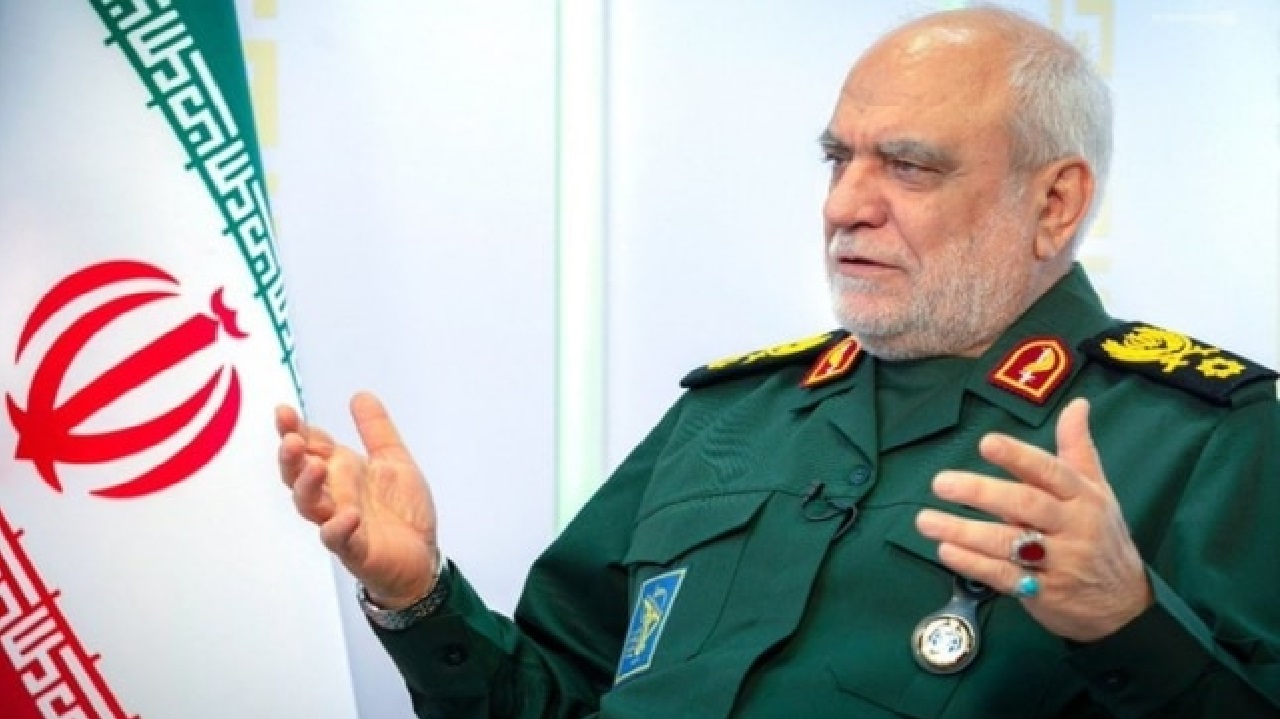
Iran has warned that it will retaliate if attacked, not only against Israel but also against U.S. bases and assets in the region. Iranian Defense Minister Aziz Nasirzadeh stated, “If Iran is struck, the United States will also bear the cost.”
This threat is not idle. The U.S. military has a wide footprint in the Middle East, with key bases in Iraq, Bahrain, Kuwait, Qatar, and the UAE—many within Iran’s missile range. A retaliatory strike could lead to casualties, disruptions to oil supplies, and a broader regional war.
A Dangerous Crossroads
The situation has reached a critical juncture. If Israel strikes and Iran retaliates, the U.S. may be forced to intervene—either to defend its assets or to contain a wider war. Such a development would upend years of cautious diplomacy and risk sparking a crisis with global economic and geopolitical repercussions.
Time for Restraint and Diplomacy
The looming threat of an Israeli strike on Iran’s nuclear sites has placed the Middle East on a razor’s edge. For Washington, the stakes are immense: prevent war, protect regional stability, and salvage nuclear negotiations. For Israel, the choice lies between national security imperatives and risking regional escalation. And for Iran, retaliatory threats could bring about broader destruction.
Only a renewed diplomatic push—grounded in trust, transparency, and international coordination—can defuse the ticking clock of conflict. The world is watching, and the next move may determine the future of peace—or the return of war—in the Middle East.
(With agency inputs)