A Tradition of Diplomatic Warmth
India and Ukraine have maintained a cordial relationship over decades, rooted in trade, education, and cultural exchanges. With India’s consistent emphasis on diplomacy and peaceful resolution of conflicts, New Delhi has often been seen as a balancing force in global affairs. This legacy became more pronounced in the wake of Russia’s invasion of Ukraine, where India has refrained from taking sides while advocating dialogue and reconciliation. Against this backdrop, Ukrainian President Volodymyr Zelenskyy has reached out once again, urging India to play a constructive role in ending the ongoing war.
Zelensky’s Message of Gratitude and Expectation
On Ukraine’s Independence Day, President Zelenskyy thanked Prime Minister Narendra Modi for his warm greetings and underlined Kyiv’s hope that India could contribute meaningfully to efforts aimed at stopping the war. Posting on social media, Zelenskyy emphasized that India’s steadfast support for peace and dialogue aligns with the broader global pursuit of stability.
“Now, as the world strives to end this devastating war with dignity and lasting peace, we count on India’s contribution,” Zelenskyy said, stressing that stronger diplomacy enhances security not only in Europe but also across the Indo-Pacific.
India’s Response: Peace and Partnership
Prime Minister Modi, in his message, reciprocated Zelenskyy’s wishes with an emphasis on peace, progress, and prosperity for Ukraine. “I deeply value our joint commitment to forging even closer ties between India and Ukraine,” Modi noted, adding that India would continue to extend all possible support to sincere peace initiatives.
Modi also recalled his visit to Kyiv in August last year, highlighting the progress in bilateral cooperation since then. He reiterated India’s principled stance that dialogue and diplomacy remain the only sustainable pathway to resolving conflicts.
Bilateral Ties and Broader Context
India and Ukraine share mutually beneficial ties that extend across trade, agriculture, education, and technology. Thousands of Indian students have studied in Ukrainian universities, while trade in sectors such as pharmaceuticals and agricultural products remains significant. Modi’s remarks on strengthening cooperation signal that New Delhi values these connections even as geopolitical uncertainties continue.
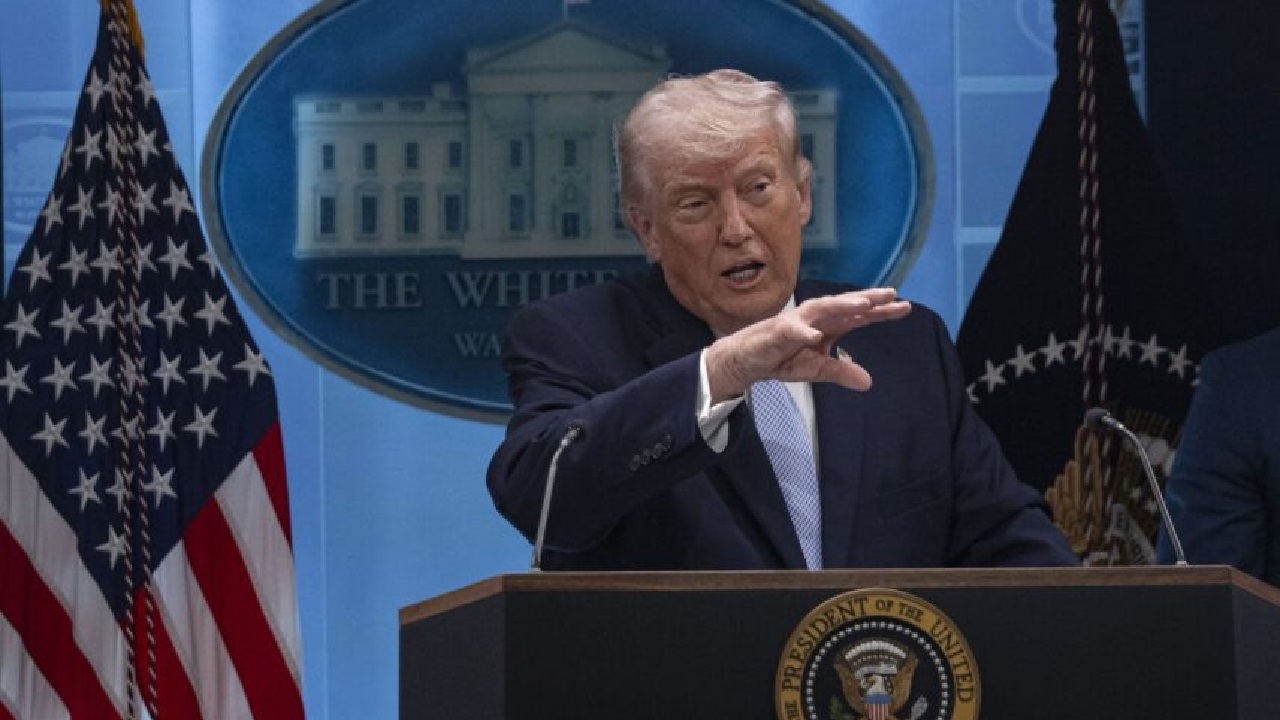
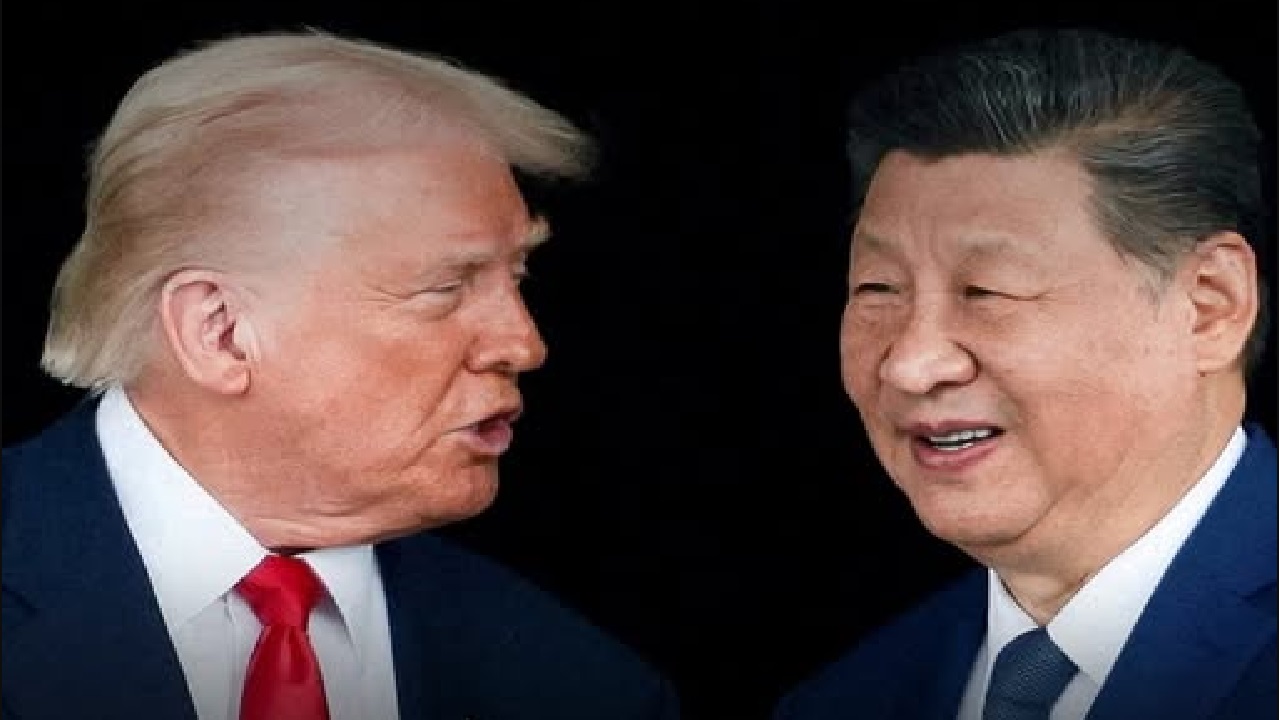
Zelenskyy’s outreach comes at a delicate time in global politics. The United States, under President Donald Trump, has recently imposed steep tariffs on India for purchasing Russian crude oil—an action with economic and strategic implications. In this shifting environment, Ukraine’s appeal to India underscores New Delhi’s growing importance as a diplomatic actor that commands respect across multiple power blocs.
India’s Position: Neutrality with Responsibility
Since the outbreak of the Russia-Ukraine conflict, India has walked a fine line—abstaining from UN resolutions critical of Moscow while simultaneously providing humanitarian aid to Kyiv and supporting calls for ceasefire. This posture has been guided by New Delhi’s need to protect its strategic interests with Russia while also maintaining credibility as a voice for peace.
By appealing directly to India, Zelenskyy recognizes the potential of New Delhi’s diplomatic leverage, particularly as India seeks to expand its influence in global governance forums.
A Constructive Way Forward
Zelenskyy’s words reflect Ukraine’s faith in India’s ability to shape conversations around peace. For India, the challenge lies in balancing its relationships with Russia, Ukraine, and the West while upholding its long-standing commitment to dialogue-driven conflict resolution.
As global instability deepens, India’s role may increasingly shift from being a neutral observer to a proactive facilitator of peace efforts. While the path forward will demand delicate diplomacy, the continuing exchanges between New Delhi and Kyiv highlight that both nations see value in keeping the channels open—anchored in the hope of building a more stable, secure, and cooperative world.
(With agency inputs)