War and Humanitarian Collapse
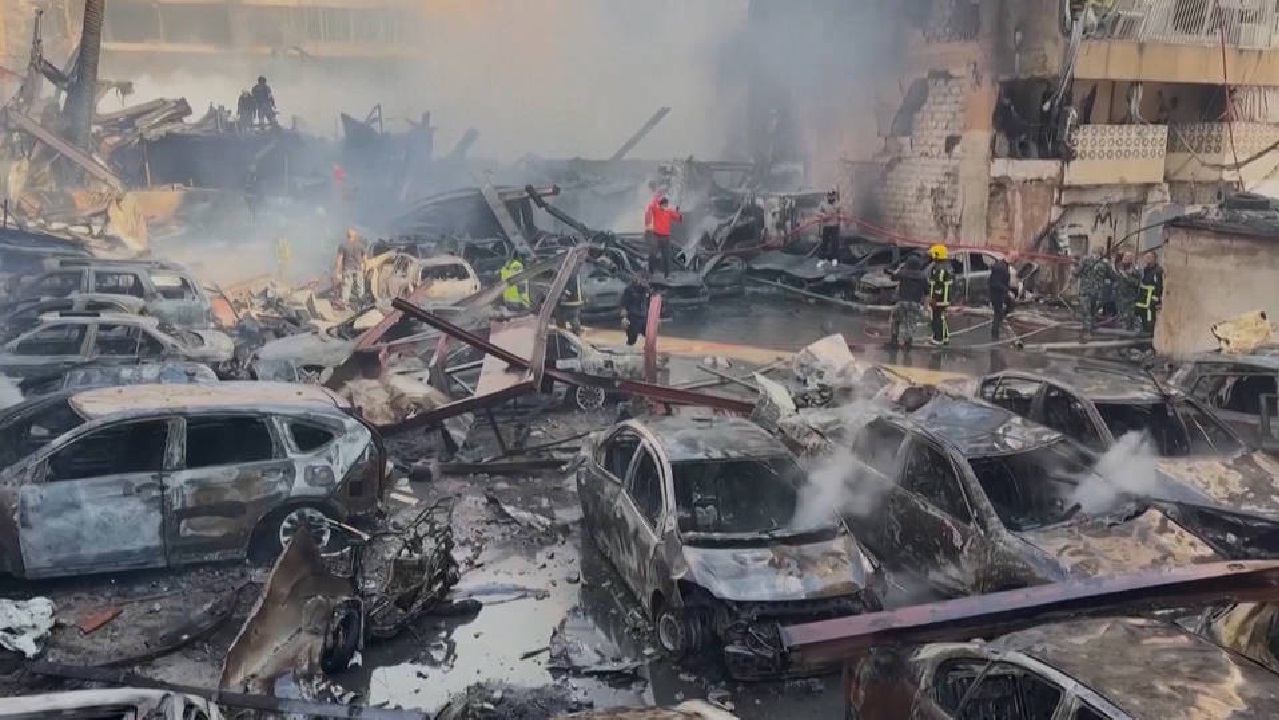
Nearly two years into the devastating war in Gaza, the conflict has left behind not only rubble and displacement but also the specter of widespread hunger. What began as a military confrontation has spiraled into one of the worst humanitarian disasters in modern West Asia. On Friday, a UN-backed food security panel confirmed famine conditions in parts of Gaza, placing over 500,000 people in “catastrophic” circumstances. Israel, however, has outright rejected the findings, dismissing them as politically motivated.
The Famine Declaration
According to the Integrated Food Security Phase Classification (IPC), famine—defined as IPC Phase 5—has been confirmed in Gaza City and surrounding governorates, covering nearly one-fifth of the Strip. The report warned that the crisis will soon expand into Deir el-Balah and Khan Yunis, affecting up to two-thirds of Gaza’s population by September, an estimated 641,000 people.
UN humanitarian chief Tom Fletcher described the situation as “entirely preventable,” accusing Israel of blocking life-saving supplies. “Food sits at the borders, while people inside Gaza starve. This should haunt us all,” Fletcher said in Geneva.
What Caused the Crisis?
The IPC attributed the famine to multiple, compounding factors:
· Escalation of war: Continuous Israeli strikes and Hamas resistance have destroyed infrastructure and uprooted communities.
· Restricted aid access: Israel’s closure of Gaza’s crossings earlier this year cut off food completely for months. Even after limited reopening in May, the supplies remain insufficient.
· Agricultural collapse: With 98% of Gaza’s cropland destroyed or inaccessible, livestock wiped out, and fishing banned, the region’s local food system has all but collapsed.
· Mass displacement: Families forced from their homes face both hunger and overcrowding, leaving them dependent on aid that rarely arrives.
The report stressed that these are not natural shortages but a man-made blockade compounded by war.
Human Toll of Starvation
Experts warn that Gaza is now witnessing the deadly consequences of prolonged food deprivation. Starvation weakens immunity, exposes children to stunted growth and disease, and pushes families into desperation. Many aid workers argue that the famine is not only an unfolding tragedy but also a violation of international humanitarian law.
Israel’s Strong Rebuttal
Israel swiftly rejected the UN-backed declaration, calling it baseless. The Foreign Ministry said the findings rely on “Hamas lies laundered through organisations with vested interests.” Officials insisted there was “no famine in Gaza”, pointing instead to what they described as a “massive influx of aid” that has lowered food prices in recent weeks.
The Israeli military liaison body, COGAT, echoed the dismissal, accusing the IPC of repeated inaccuracies and political bias. “This report belongs in the trash bin of politicised documents, not in serious humanitarian discourse,” it stated.
A Divided Narrative
The contrasting positions highlight a deeper rift: humanitarian organisations view Gaza as an unfolding famine zone, while Israeli authorities frame such reports as propaganda aiding Hamas. For ordinary Gazans, however, the debate offers little relief as they grapple daily with empty markets, scarce meals, and collapsing health systems.
Preventable Tragedy, Urgent Responsibility
The famine declaration in Gaza is more than a technical assessment—it is a grim reflection of how conflict can weaponize hunger. Whether or not Israel accepts the findings, half a million people already face starvation-level conditions. Preventing the crisis from engulfing the entire Strip requires not only urgent food access but also political will to separate humanitarian needs from military strategy.
History will judge this moment harshly if food continues to pile up at sealed borders while families inside Gaza waste away. For now, the famine stands as both a humanitarian warning and a moral test for the international community.
(With agency inputs)