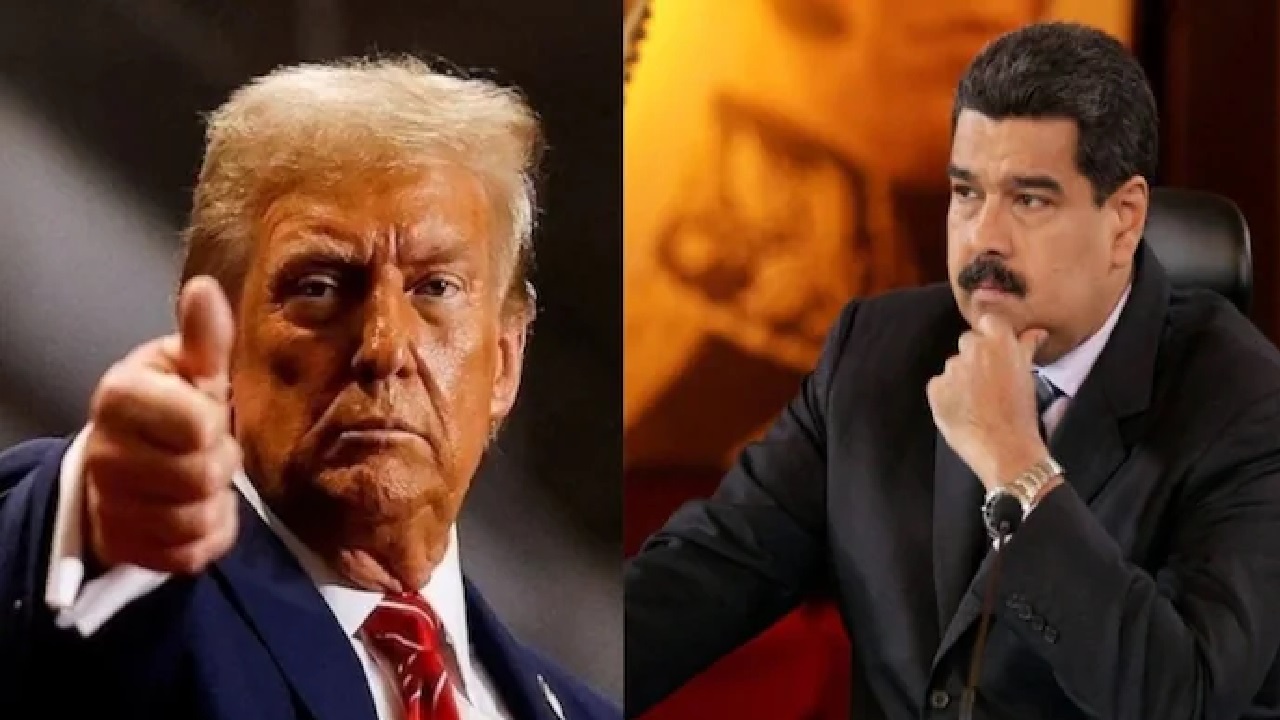
A Long History of Strain Between Caracas and Washington
Tensions between Venezuela and the United States did not emerge overnight. They are the product of decades of ideological divergence, resource nationalism, sanctions, and geopolitical rivalry. While official narratives often emphasize democracy, drugs, or governance, critics argue that the deeper conflict lies in economics—specifically, control over energy markets and the global financial system.
Beyond the Official Explanations
The recurring claim in critical geopolitical analysis is that U.S. pressure on Venezuela cannot be fully explained by concerns over narcotics, terrorism, or human rights. Instead, the argument centers on a structural issue: the global role of the U.S. dollar and the system that has underpinned American economic dominance for half a century. Venezuela, with its vast oil reserves and shifting trade practices, is portrayed as a direct challenge to that system.
Venezuela’s Oil Power and Currency Choices
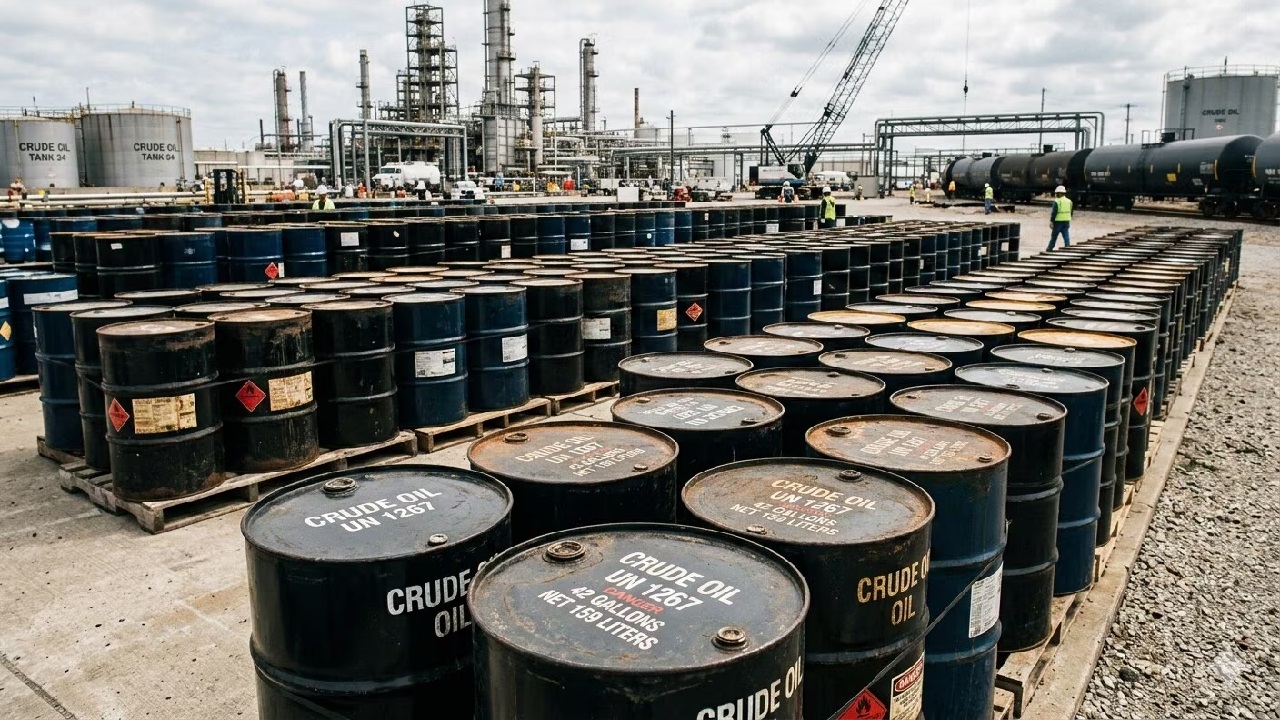
Venezuela holds the world’s largest proven oil reserves—estimated at over 300 billion barrels—representing a strategic asset of global significance. What elevated Caracas from a sanctioned state to a systemic concern, analysts argue, was its decision to reduce reliance on the U.S. dollar. Beginning in the late 2010s, Venezuela announced efforts to accept alternative currencies for oil transactions, including the Chinese yuan, euro, and ruble. It also explored closer integration with non-Western economic blocs such as BRICS and sought payment mechanisms outside U.S.-dominated financial infrastructure like SWIFT.
The Petrodollar System and U.S. Hegemony
At the heart of this debate is the so-called petrodollar system, established in the 1970s when the United States and Saudi Arabia agreed that oil would be priced globally in U.S. dollars in exchange for American security guarantees. This arrangement created permanent global demand for dollars, enabling the U.S. to finance deficits, project military power, and sustain its economic model. From this perspective, threats to dollar-denominated oil trade are seen as threats to U.S. strategic stability itself.
A Pattern of Enforcement?
Critics point to historical precedents. Iraq’s move toward euro-based oil sales in the early 2000s and Libya’s proposal for a gold-backed African currency are frequently cited as examples where challenges to dollar primacy coincided with Western military intervention. In this narrative, Venezuela—possessing even larger reserves and openly aligning with China, Russia, and Iran—is viewed as the latest and most significant test of the system.
De-Dollarization and a Shifting World Order
The broader context is a gradual erosion of dollar exclusivity. Russia, China, Iran, and several emerging economies are expanding local-currency trade, building alternative payment systems, and reducing dollar exposure. China’s CIPS network, BRICS financial initiatives, and multilateral settlement projects all signal a slow but deliberate move toward a multipolar monetary order. Venezuela’s participation, given its energy capacity, could accelerate that shift.
Power, Currency, and the Limits of Force
From this analytical standpoint, U.S. actions toward Venezuela are interpreted not as isolated policy choices but as part of a larger effort to preserve a dollar-centered global system under strain. Yet the paradox remains: coercion may reinforce the very momentum it seeks to stop. As more countries observe the costs of challenging dollar dominance, they may also conclude that diversification—and faster de-dollarization—is the only viable shield. If maintaining currency leadership requires force rather than confidence, critics argue, it raises a profound question about how long that leadership can last.
(With agency inputs)