India Dismantles Pakistan’s False Victory Tale
A Familiar Stage for Familiar Claims
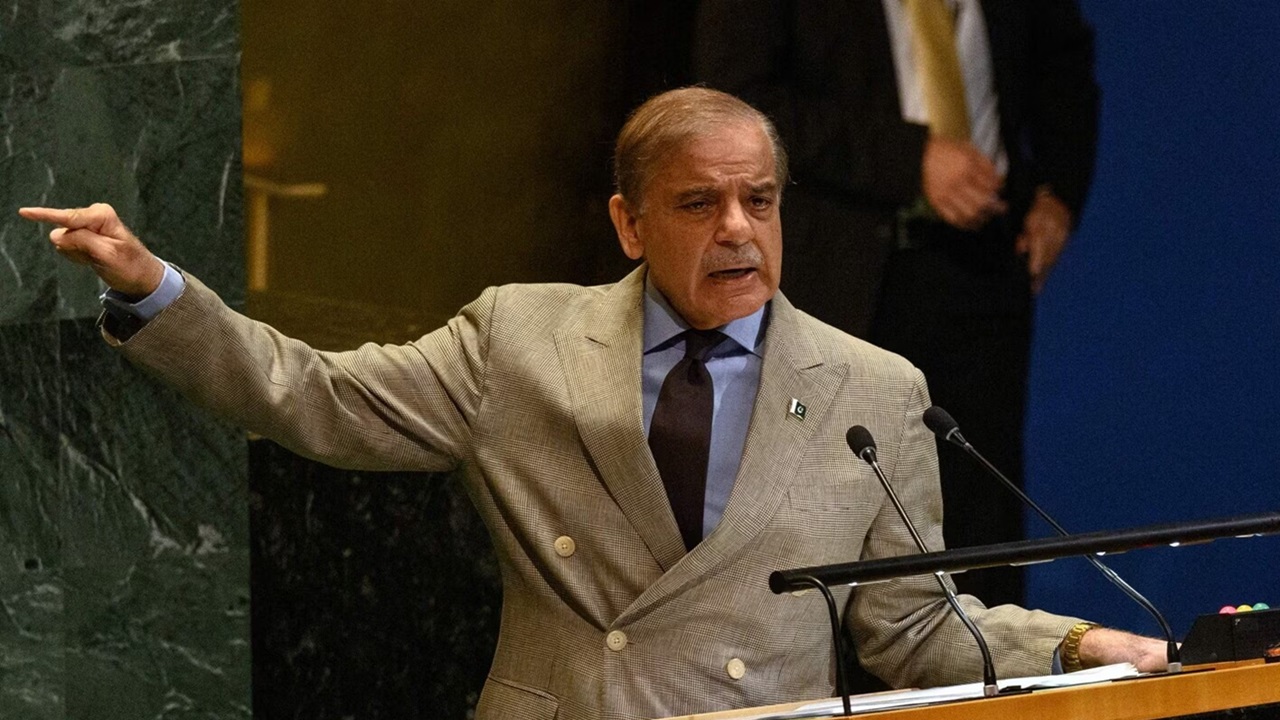
The United Nations General Assembly has long been a stage where India and Pakistan spar over cross-border tensions, but this year’s exchange drew particular attention. Pakistani Prime Minister Shehbaz Sharif, addressing the 80th UNGA session, claimed his country had repelled Indian “aggression” with remarkable skill and declared that Islamabad had “won the war.” The boast quickly drew a sharp and scathing reply from India, which accused Pakistan of glorifying terrorism and distorting facts for global consumption.
India Calls Out the “Absurd Theater”
Exercising its right of reply, Indian diplomat Petal Gahlot dismantled Sharif’s narrative. She reminded the assembly that terrorism is “central” to Pakistan’s foreign policy and accused Islamabad of shielding extremist outfits like The Resistance Front, which was linked to the April 22 Pahalgam massacre of tourists in Jammu and Kashmir. India also reminded the world that Pakistan sheltered Osama bin Laden for nearly a decade, all while claiming to be a partner in the fight against terrorism.
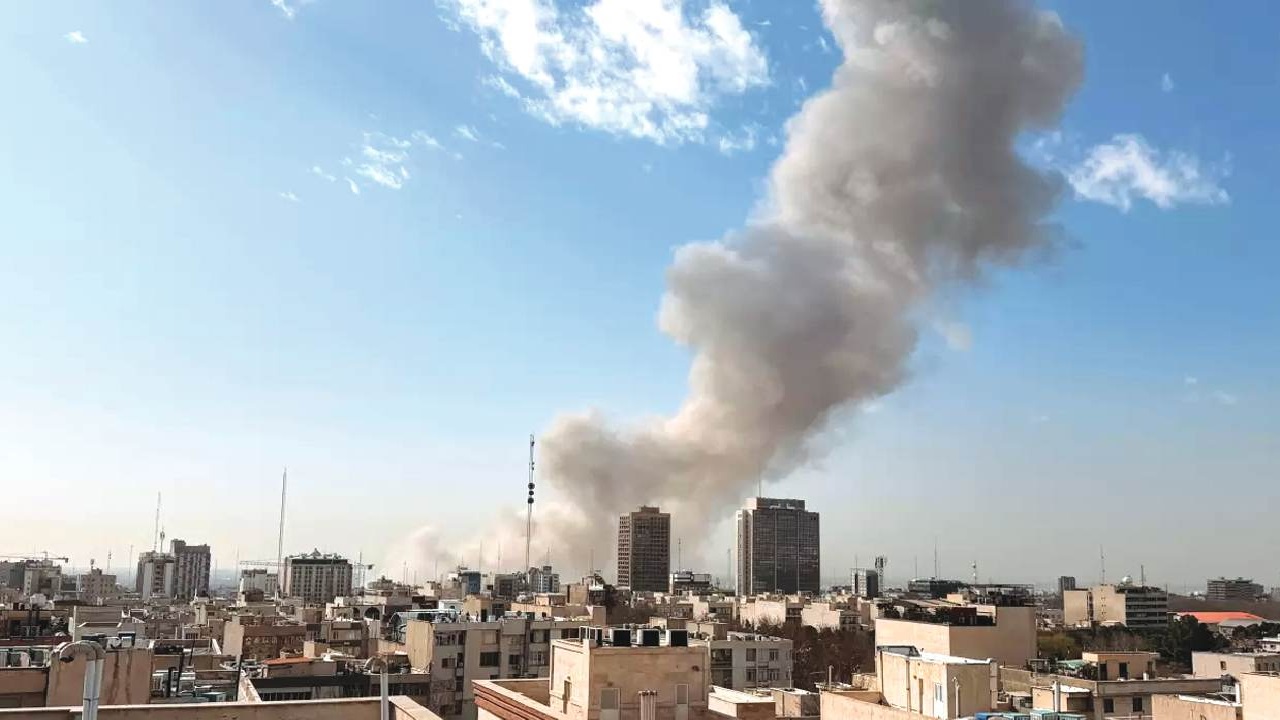
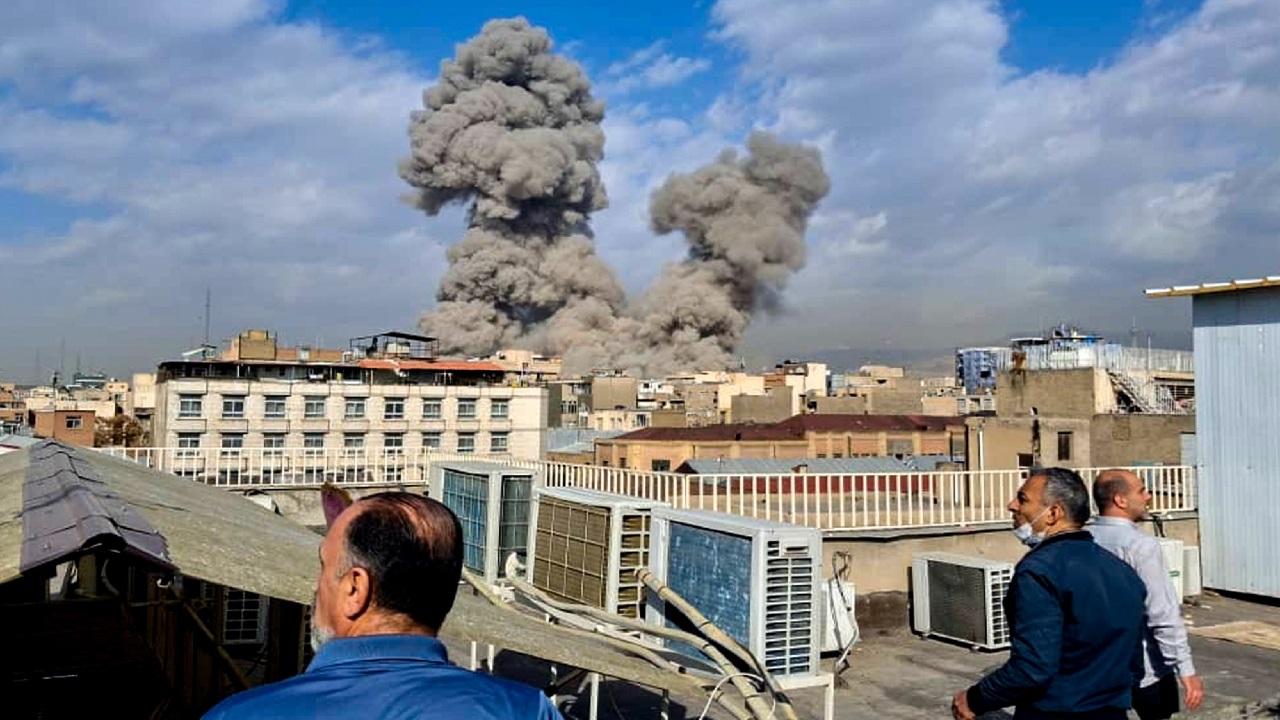
Taking aim at Sharif’s self-proclaimed “victory,” Gahlot highlighted the material evidence from Operation Sindoor: destroyed Pakistani runways and burnt hangars. Her retort was biting-“If destroyed runways look like victory, Pakistan is welcome to enjoy it.” She also recalled that on May 10, Pakistan’s own military requested India to halt the fighting, exposing the hollowness of Sharif’s bravado.
Pakistan’s Position: The Peace Mask
Sharif attempted to present Pakistan as a peace-seeking nation, proposing a “comprehensive and result-oriented dialogue” with India and arguing that disputes should be resolved diplomatically. He also raised the suspension of the Indus Waters Treaty, accusing India of withholding water and framing any treaty violation as an “act of war.” He further thanked US President Donald Trump for allegedly mediating a ceasefire between the two countries—an assertion India has consistently dismissed as fiction.
For New Delhi, these positions reek of duplicity. On one hand, Islamabad seeks global recognition as a victim of aggression and a champion of peace; on the other, it provides cover to terror groups and uses water and nuclear threats as bargaining chips.
India’s Counter: Actions, Not Words
India’s response emphasized clarity: Pakistan must dismantle terror camps, stop exporting violence, and hand over terrorists wanted in India. Empty rhetoric, India argued, cannot substitute for genuine commitment. Moreover, New Delhi reiterated that no external mediator has any role in Indo-Pak disputes, which will only be handled bilaterally. This rejection of Trump’s supposed involvement underscores India’s consistent stand against third-party interference.
Patterns of Falsehood: Past Precedents
This is hardly the first time Pakistan has attempted to spin narratives on global platforms.
· In 2019, then Prime Minister Imran Khan used the UNGA to claim that India was committing genocide in Kashmir—a charge India countered by highlighting Pakistan’s own human rights record, from suppressing minorities to supporting extremist groups.
· In 2021, Islamabad presented a fabricated dossier alleging Indian involvement in terrorism inside Pakistan, which New Delhi dismissed as propaganda.
· Each time, India has responded firmly, turning the spotlight back on Pakistan’s history of harbouring terrorists and exporting violence.
These repeated attempts at misinformation reveal a pattern: projecting victimhood internationally while avoiding accountability domestically. India’s consistent rebuttals have ensured that global opinion increasingly views such claims with skepticism.
The Bigger Picture: Global Stakes in the Debate
Sharif’s remarks and India’s rebuttal are not just rhetorical skirmishes; they speak to larger geopolitical dynamics. Pakistan’s narrative is aimed at securing sympathy and support from international audiences, particularly Islamic nations and Western powers wary of instability in South Asia. India’s strategy, meanwhile, is to remind the world that terrorism—whether sheltered in Pakistan or elsewhere—remains the most pressing threat to peace. By highlighting evidence of Pakistan’s duplicity, India seeks to prevent global forums from being hijacked by misleading narratives.
Pakistan’s Growing Isolation
The UNGA episode exposes a deeper reality: Pakistan is increasingly isolated on the world stage. Its attempts to dress up terrorism as “resistance,” to invoke third-party mediators, and to portray itself as a victim fall flat against mounting evidence of its double-dealing. Each false claim further erodes its credibility, leaving it with shrinking allies and diminishing influence. India, by contrast, has effectively framed the debate around zero tolerance for terrorism, winning broader international support.
The message is unmistakable: Pakistan can no longer hope to hide behind rhetoric, nuclear blackmail, or diplomatic theatrics. Until it dismantles terror infrastructure and abandons the politics of deception, it will remain on the margins of global legitimacy—applauding “victories” that the world only sees as defeats.
(With agency inputs)