


A Legacy Beyond the Pitch
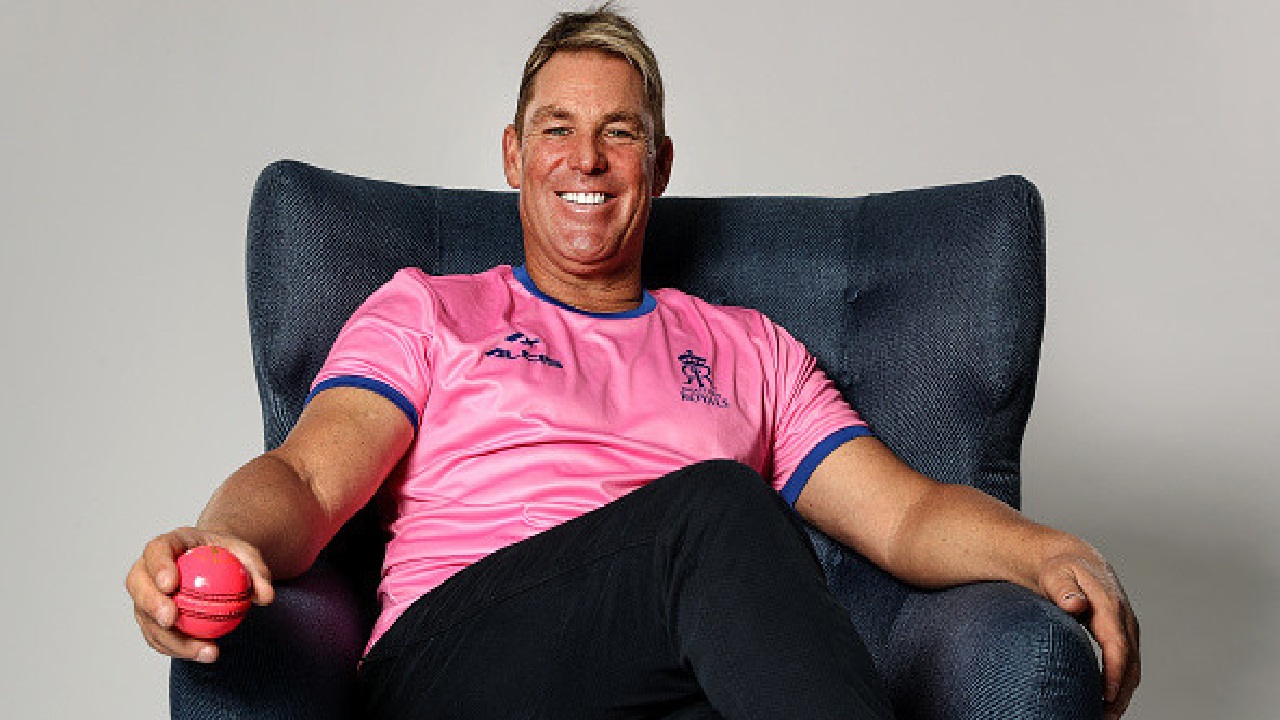
In a remarkable twist of foresight and financial acumen, the late Shane Warne continues to make headlines years after his passing. His iconic leadership of Rajasthan Royals during the inaugural 2008 Indian Premier League season has now translated into a massive financial windfall for his family. Following the franchise’s recent sale to a U.S.-based consortium led by Kal Somani for $1.63 billion, a long-forgotten clause in Warne’s contract has been activated—delivering an estimated ₹450–460 crore payout.
The Clause That Changed Everything
At the heart of this story lies a unique contractual arrangement. Warne had negotiated a 0.75% ownership stake in the franchise for every season he played. Over four seasons, this accumulated into a 3% equity stake in the team. Crucially, this stake was not tied to annual profits or short-term revenues but to the eventual sale value of the franchise.
At a time when most players focused on match fees and endorsements, Warne’s decision to accept equity over immediate cash compensation stood out. The clause remained dormant for years, only gaining value as the franchise’s worth soared. With the recent sale, that calculated risk has paid off spectacularly, turning a modest percentage into generational wealth.
Strategic Foresight Ahead of Its Time
Back in 2008, the IPL was an untested concept, and few could have predicted its meteoric rise. Warne’s insistence on an equity-linked deal reflects a rare level of strategic thinking in sports contracts. He effectively treated his role not just as a player and captain but as a stakeholder in a growing enterprise.
This move mirrors venture capital logic—sacrificing short-term gains for long-term upside. Warne bet on the league’s potential and the brand value of the Rajasthan Royals. Today, with the IPL firmly established as one of the most valuable sports leagues globally, that bet has yielded extraordinary returns.
Redefining Player Contracts
Warne’s deal sets a powerful precedent for how athletes and franchises might structure agreements in the future. His case illustrates that player contributions extend beyond on-field performance—they shape brand identity, fan engagement, and long-term valuation.
In leagues like the IPL, where franchises function as scalable business entities, equity participation can align incentives between players and owners. For emerging leagues and new teams, offering small ownership stakes to marquee players could become a strategic tool to build both performance and brand equity.
A Lasting Impact
The financial reward for Warne’s family is more than just a payout—it is a testament to his vision and influence. His leadership not only brought early success to the Rajasthan Royals but also helped establish the franchise’s identity in a competitive league.
Vision That Outlived the Game
Shane Warne’s story is no longer just about cricketing brilliance; it is about thinking beyond the boundaries of the game. His equity clause transformed a playing contract into a long-term investment, proving that foresight can outlast even the most illustrious careers. As sports continue to intersect with business, Warne’s masterstroke stands as a blueprint—reminding players and franchises alike that the smartest moves are sometimes made off the field.
(With agency inputs)