SCO Summit and a Shifting Geopolitical Stage
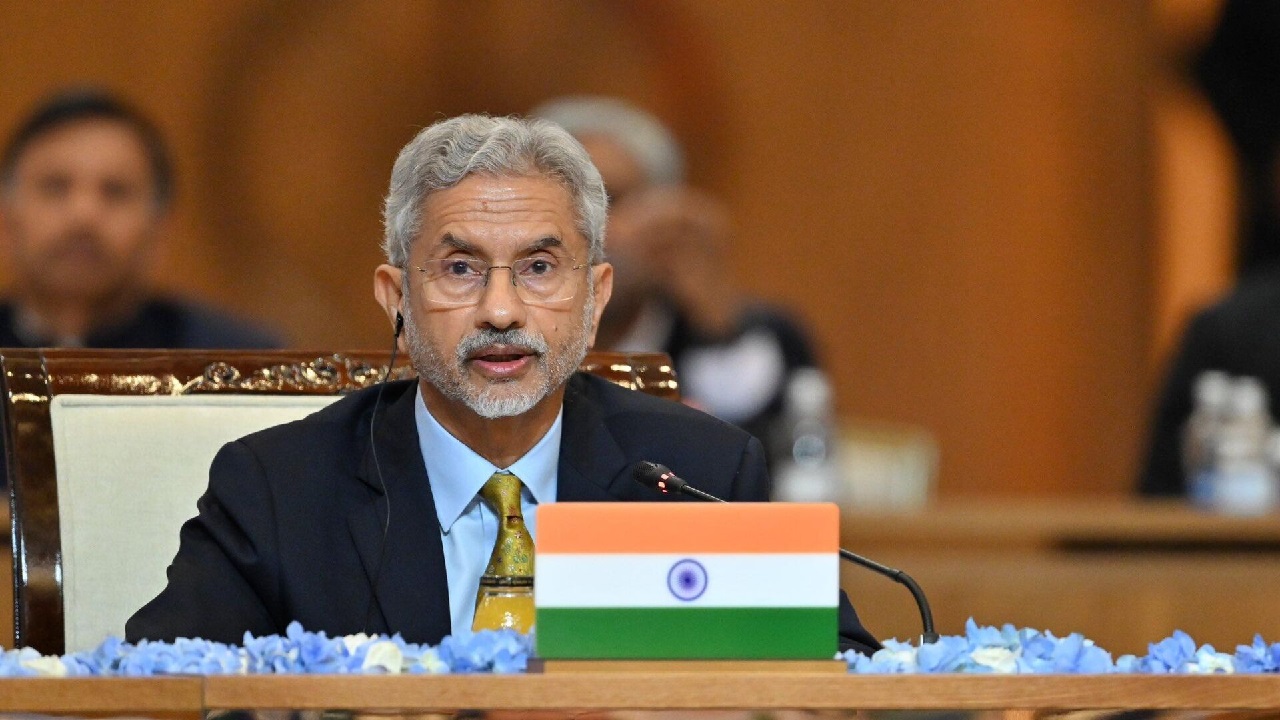
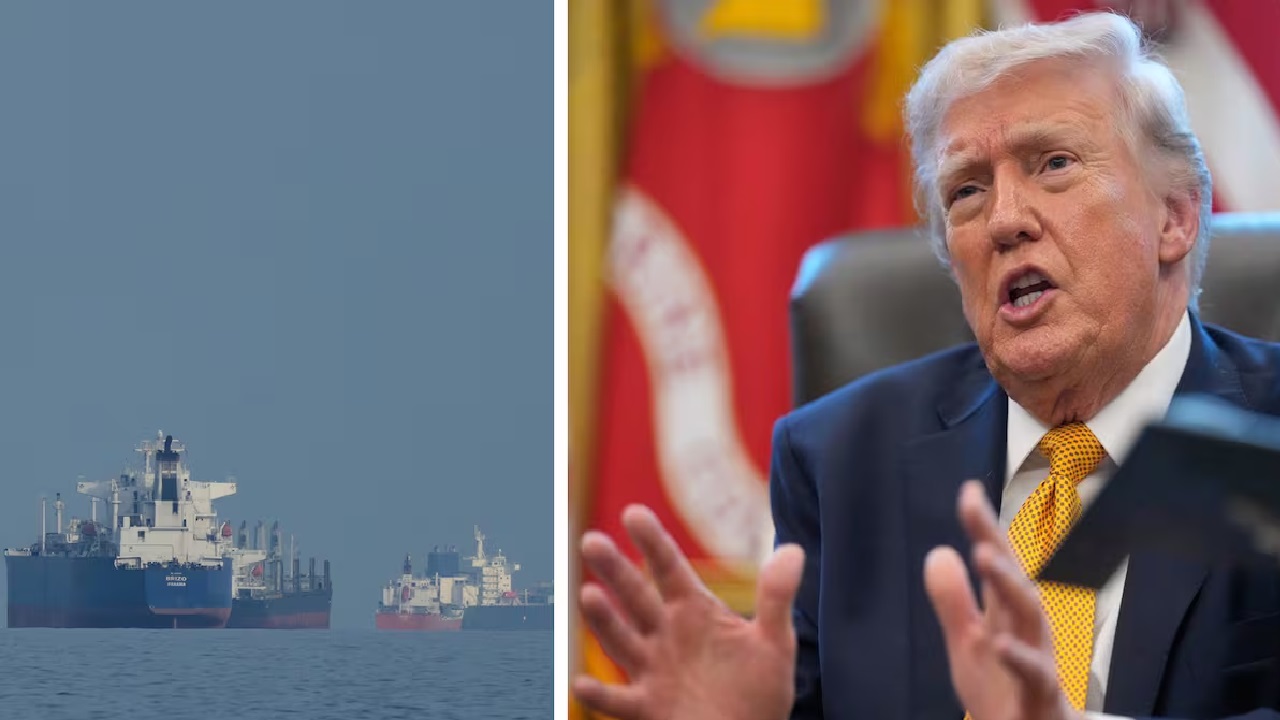
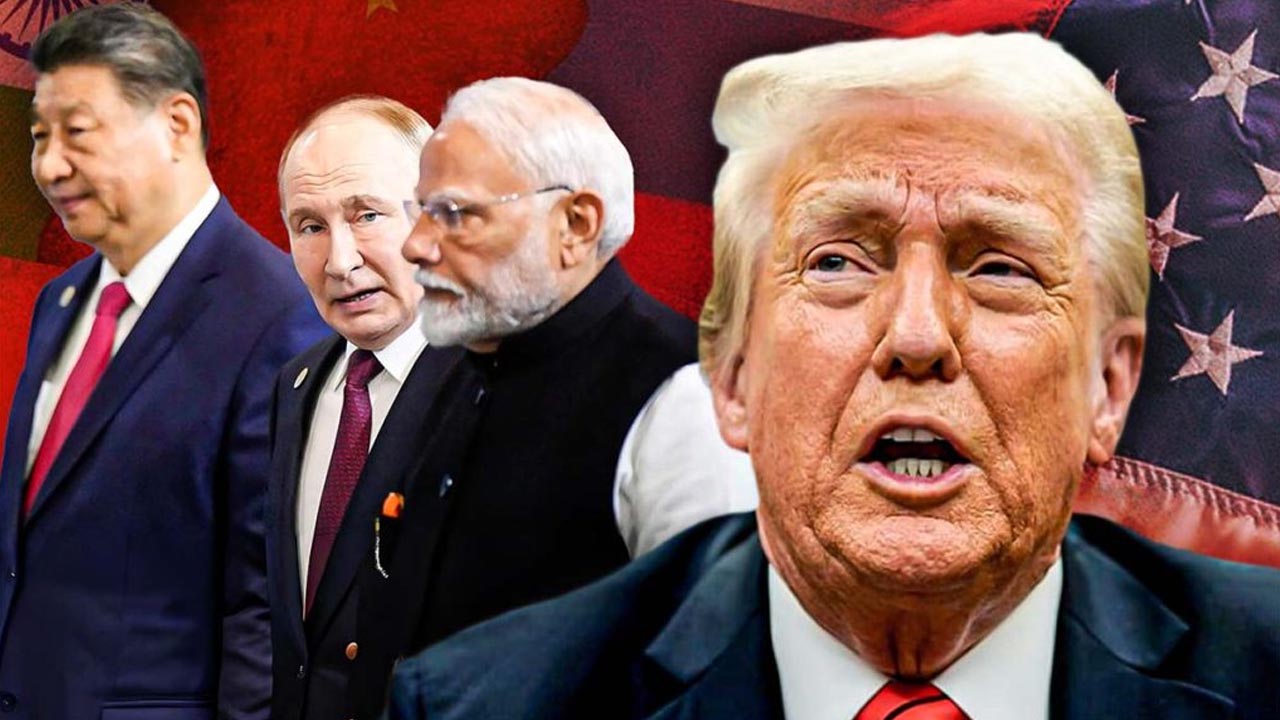
The recent Shanghai Cooperation Organisation (SCO) summit in Tianjin, China, has drawn global attention not just for its scale—hosting 10 member states and 20 invited leaders—but for the symbolism of three major powers sharing a platform. Chinese President Xi Jinping, Indian Prime Minister Narendra Modi, and Russian President Vladimir Putin held notable discussions on energy, security, and regional stability. As the West monitored these engagements, the sharpest reaction came from US President Donald Trump, who declared on social media: “Looks like we’ve lost India and Russia to deepest, darkest China.”
His statement, coupled with a sarcastic wish for a “long and prosperous future together,” reignited debate on how Washington perceives New Delhi and Moscow’s evolving ties with Beijing.
Trump’s Remark: A Blunt Acknowledgment
Trump’s comments, posted on his Truth Social account, are seen as his most candid acknowledgment of the growing convergence between India, Russia, and China. While he positioned himself as a strong ally of India during his presidency—highlighted by his appearance with Modi at the 2019 “Howdy Modi” rally in Houston and his support for the Quad framework—his latest remarks reflect frustration with shifting alliances.
Analysts note that his use of the phrase “lost India” is particularly striking, given that Washington has long sought to position India as a counterbalance to China in the Indo-Pacific. By grouping India with Russia, Trump underscored concerns that New Delhi’s balancing act may be tilting away from the West.
US-India Ties Under Strain
The trajectory of US-India relations has faced turbulence in recent years. Trump’s own tariff hikes on Indian goods, raising duties to 50 percent, coupled with criticism of New Delhi’s energy imports from Russia, strained bilateral goodwill. The Biden administration has attempted to steady relations, but friction persists around issues of trade policy, defense autonomy, and India’s non-alignment on the Ukraine conflict.
For Washington, India’s active participation in SCO, alongside Russia and China, complicates its vision of a strategic Indo-Pacific coalition. Experts argue that while New Delhi remains a crucial partner in forums like the Quad, its engagement with Beijing and Moscow highlights its pursuit of strategic autonomy rather than alignment.
India’s Response: Strategic Silence
Asked to comment on Trump’s statement, MEA spokesperson Randhir Jaiswal declined, saying only, “I have no comments to offer.” This silence is consistent with India’s careful diplomatic posture—avoiding direct engagement with partisan remarks from US leaders while emphasizing sovereignty in foreign policy choices. At the SCO summit, Modi’s bilateral meetings with Putin and Xi focused on energy cooperation, regional security, and South-South solidarity. India, keen to secure affordable energy and maintain stable ties with major powers, continues to walk a fine line between its Western partnerships and Eurasian engagements.
The Global South Dimension
Xi Jinping, in his opening address at the SCO summit, called on member nations to “safeguard regional peace and stability” and strengthen the voice of the Global South. For India, which has long championed developing nations in global forums, this presents both an opportunity and a challenge. By engaging in platforms led by China while also building bridges with the West, New Delhi seeks to reinforce its image as a bridge power rather than a camp follower.
A Delicate Balancing Act
Trump’s outburst is as much about domestic US politics as it is about geopolitics. Yet it reflects a genuine concern in Washington: India’s increasing willingness to engage with both Russia and China under the SCO umbrella. For New Delhi, however, this is less about choosing sides and more about expanding strategic options.
As global alignments grow more fluid, India’s challenge will be to sustain its independent course without alienating key partners. The SCO summit underscored that multipolarity is no longer a theoretical idea but a lived reality. Trump’s words, though sharp, serve as a reminder of the fragile equilibrium shaping India’s place in the emerging global order.
(With agency inputs)