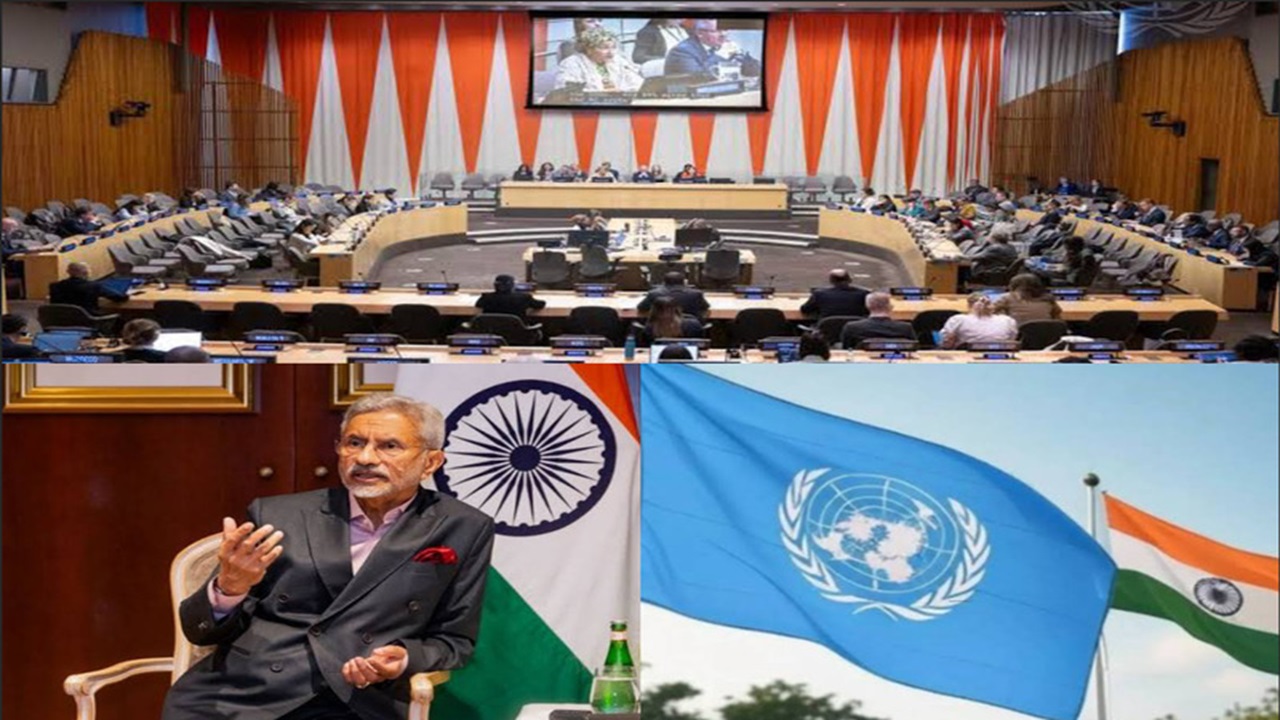




External Affairs Minister S. Jaishankar’s recent remarks in New Delhi—arguing that the United States and Europe risk becoming “net losers” if they excessively clamp down on immigration—carry both diplomatic edge and economic analysis. His message: Western political fears are misdiagnosing the real causes of economic anxiety, and in doing so, they may handicap their own future competitiveness. India, he implied, will remain central to the global talent pool—but hostile immigration regimes could weaken the very markets that rely on it most.
What Jaishankar Criticised
Jaishankar challenged the idea, now widespread in Western political debate, that immigrants are to blame for job displacement or social strain. He argued that the real fault lines lie in long-term structural choices: the offshoring of manufacturing, underinvestment in domestic skills, and supply-chain decisions that hollowed out industrial regions. Restricting cross-border talent flows, he warned, is counterproductive in an era defined by advanced manufacturing, AI, and digital services—sectors where neither the US nor Europe can meet labour demand from domestic workers alone.
By calling immigration “mutually beneficial,” he framed talent mobility as an economic necessity—not a threat.
Why the West Could Lose More Than It Gains
Jaishankar’s “net loser” argument rests on demographic and economic fundamentals:
· Aging populations and shrinking workforces in much of Europe, the US and even parts of East Asia mean fewer workers and higher dependency ratios.
· New industrial strategies—rebuilding manufacturing, securing supply chains, accelerating green transitions—require specialised labour that Western education pipelines cannot produce fast enough.
· Investment flows follow talent: companies build capacity where talent is available. Restrictive migration rules risk driving innovation, capital and high-tech industries elsewhere.
For India, the argument also has diplomatic value. New Delhi is increasingly negotiating labour-mobility pacts, seeking safe, legal and mutually beneficial pathways for Indian workers. Jaishankar’s warning suggests that countries shutting out talent will harm themselves more than they will hurt India.
How Washington and Europe Responded
Reactions across Western capitals highlight an entrenched political-economic divide.
United States
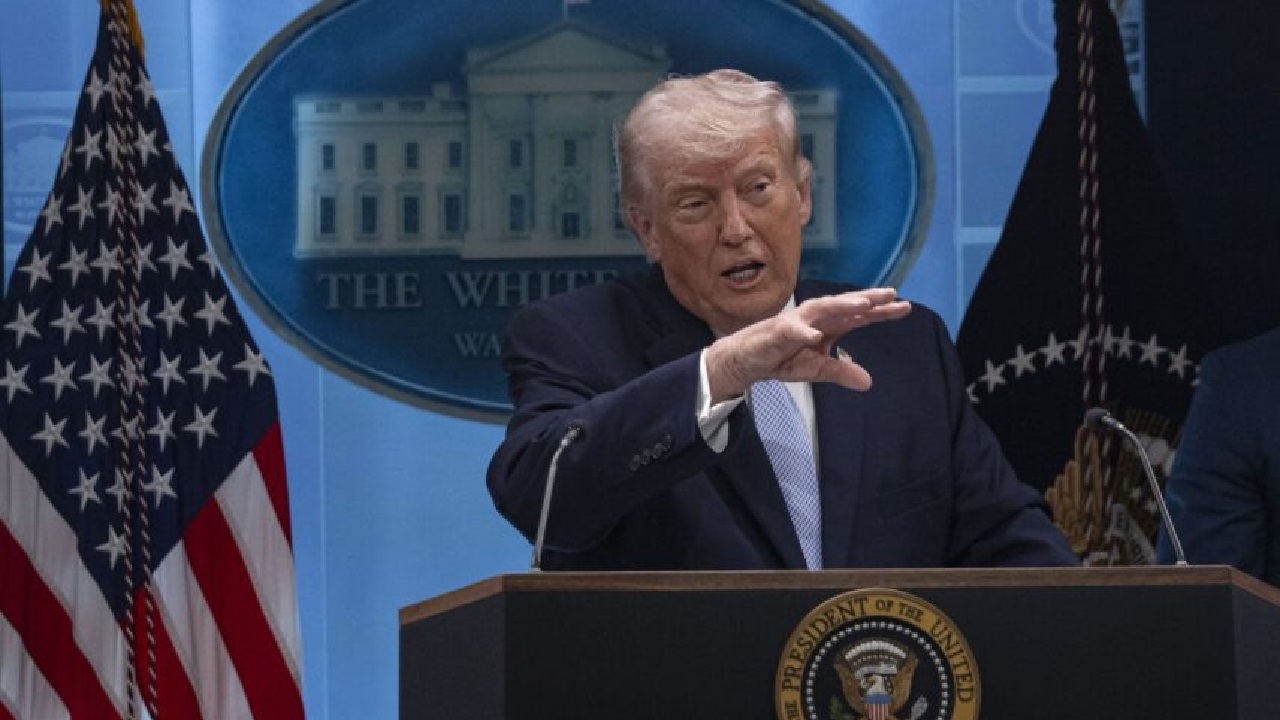
· Political hard-liners—restrictionist Republicans and populist Democrats—dismissed the remarks as self-serving.
· Calls to shrink or overhaul work visas like H-1B have intensified, with commentators framing Jaishankar’s critique as “interference” in US labour politics.
· Business leaders and economists, however, largely agree with him. Tech firms, manufacturers and STEM-focused think tanks argue that labour shortages are structural. Many see his comments as reinforcement for expanding skilled-worker visas, simplifying green-card backlogs and creating talent pacts with partners such as India.
Europe
· Germany and France: Industrial associations and employer groups recognise the demographic imperative; many cite Jaishankar’s comments as a reminder that Europe is competing for global talent.
· Far-right parties reject the argument outright, insisting that border tightening—skilled and unskilled—is what voters want.
· United Kingdom: Torn between post-Brexit labour shortages and anti-immigration politics, reactions split similarly along business vs. populist lines.
· Across EU institutions, policymakers privately acknowledge the long-term need for skilled migration, even as national politics remain defensive.
Policy Pathways: Balancing Labour Needs and Public Concerns
Countries seeking to calibrate immigration without triggering backlash can pursue a blend of strategies:
· Data-driven, skills-focused migration systems that adjust visa allocations to real-time shortages.
· Stronger domestic training pipelines, co-funded by industries that depend heavily on migrant labour.
· ‘Protection for workers—migrant and local alike’ to prevent wage suppression and undercutting.
· Flexible visa pathways, enabling students, professionals and families to integrate smoothly into labour markets.
Such frameworks allow immigration to complement local labour rather than compete with it.
A Global Competition for Talent
Jaishankar’s warning is less a rebuke and more a reminder: in a world shaped by technology, demographics and supply-chain realignment, countries are competing for human capital as fiercely as for investment. The nations that restrict skilled migration for short-term political gain may sacrifice long-term economic strength. Those that combine openness with smart domestic training will shape the next generation of innovation.
In that contest, shutting the door too far may not protect prosperity—it may quietly erode it.
(With agency inputs)