A Dark Chapter Revisited
The night of November 26, 2008, remains etched in India’s memory as one of the most harrowing episodes of terror. Ten armed militants from Pakistan unleashed a wave of coordinated attacks across Mumbai, striking landmarks like the Taj Mahal Palace hotel, Chhatrapati Shivaji Maharaj Terminus, and Nariman House. Over three days of bloodshed, 175 people were killed and hundreds injured. India reeled with anger and grief, while calls for decisive retribution against Pakistan grew louder. Now, more than a decade later, former Union Home Minister P. Chidambaram has stirred controversy by admitting that the UPA government refrained from retaliating—largely due to international pressure.
Chidambaram’s Admission: “The World Told Us Not to Start a War”
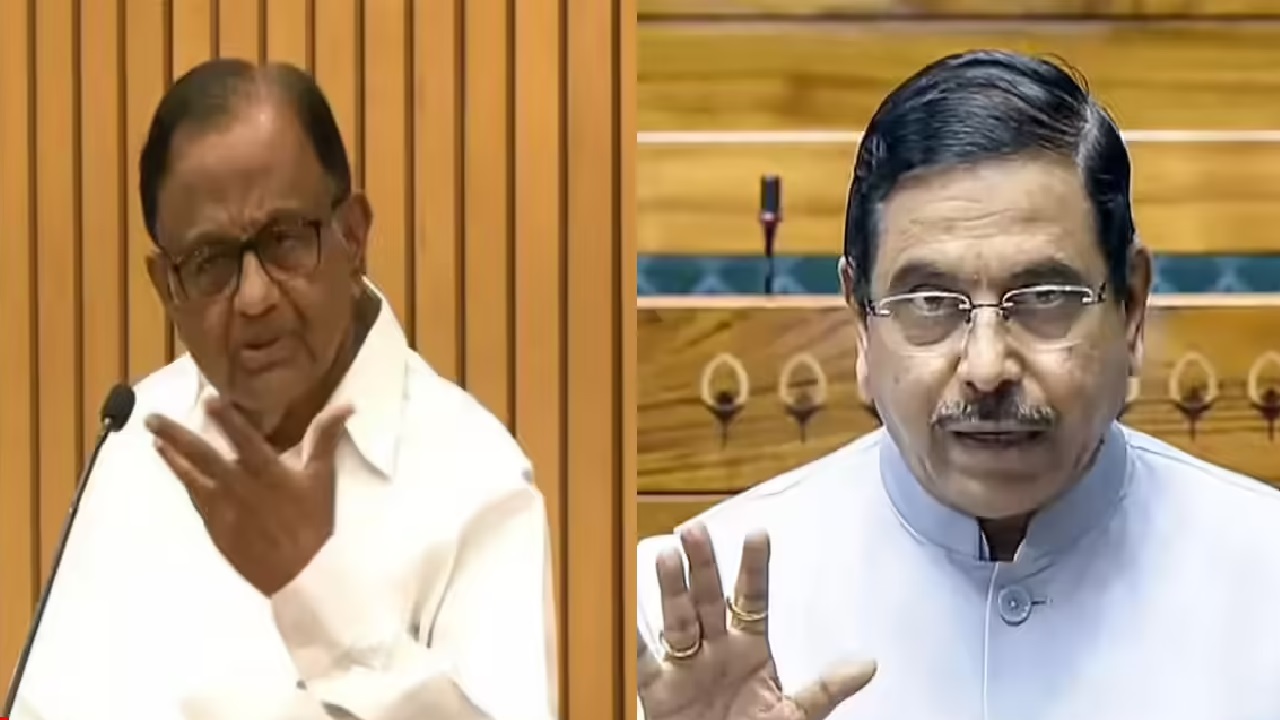
In a recent interview, Chidambaram revealed that the government, despite considering military action, ultimately decided against it after receiving urgent appeals from global powers. The then U.S. Secretary of State, Condoleezza Rice, arrived in Delhi within days of the attack, urging restraint. “The whole world descended upon Delhi to tell us, ‘Don’t start a war’,” Chidambaram recalled. Though he admitted that retribution crossed his mind, he emphasized that the final decision reflected the collective stance of the government and the Ministry of External Affairs.
Debate Within the Cabinet
Chidambaram disclosed that the option of retaliation was indeed discussed with Prime Minister Manmohan Singh and senior policymakers. However, the consensus—shaped by diplomats and the Indian Foreign Service—was to avoid military escalation. The reasoning, according to him, was that restraint would earn India international credibility and prevent a spiral of violence in the region.
BJP’s Counterattack: “Too Little, Too Late”
The revelation has ignited sharp criticism from the Bharatiya Janata Party (BJP). Union Minister Pralhad Joshi claimed that the admission confirms what the public already suspected—that foreign influence dictated India’s response. BJP spokesperson Shehzad Poonawalla went further, questioning whether Sonia Gandhi or then-Prime Minister Singh had bowed to U.S. pressure. “Why was the UPA taking orders from Condoleezza Rice?” he asked, framing Chidambaram’s remarks as evidence of weak leadership during a national crisis.
Questions of Leadership and Responsibility
The BJP has also resurfaced claims that Chidambaram was initially reluctant to assume the Home Ministry portfolio following the attacks. Critics argue that his candid remarks expose deep fissures within the UPA’s crisis management and raise questions about who ultimately held sway—India’s elected leaders or international players. The Congress, however, has not formally responded to the latest criticism, focusing instead on Chidambaram’s portrayal of the context in which decisions were made.
Remembering 26/11: A Nation Scarred
The Mumbai attacks were carried out by Lashkar-e-Taiba operatives, who targeted high-profile civilian and international locations. The siege ended only after security forces neutralized nine terrorists; the sole surviving attacker, Ajmal Kasab, was captured, tried, and executed in 2012. For many, the attacks were not just an act of terror but an assault on India’s sovereignty, making the debate over retaliation especially emotive.
The Dilemma of Restraint or Retaliation
Chidambaram’s revelation underscores the perennial dilemma of statecraft: whether to strike back and risk war or exercise restraint and seek global support. The UPA government chose the latter, a decision that may have prevented escalation but left lingering doubts about India’s deterrence. With the BJP branding the admission “too little, too late,” the political debate shows no signs of fading.
As India reflects on the tragedy of 26/11, the larger question persists: in the face of cross-border terrorism, should India lean on global diplomacy or assert military might? The answer may define not only how history judges past leaders, but also how the nation prepares for future threats.
(With agency inputs)