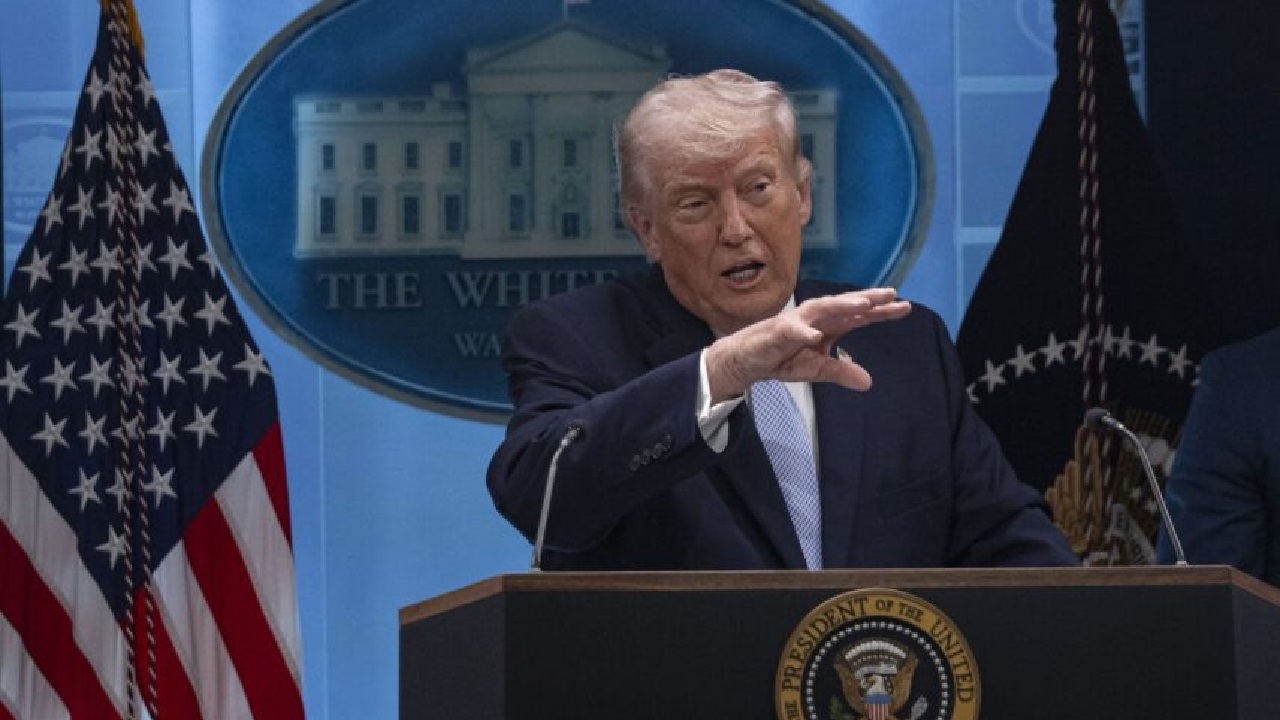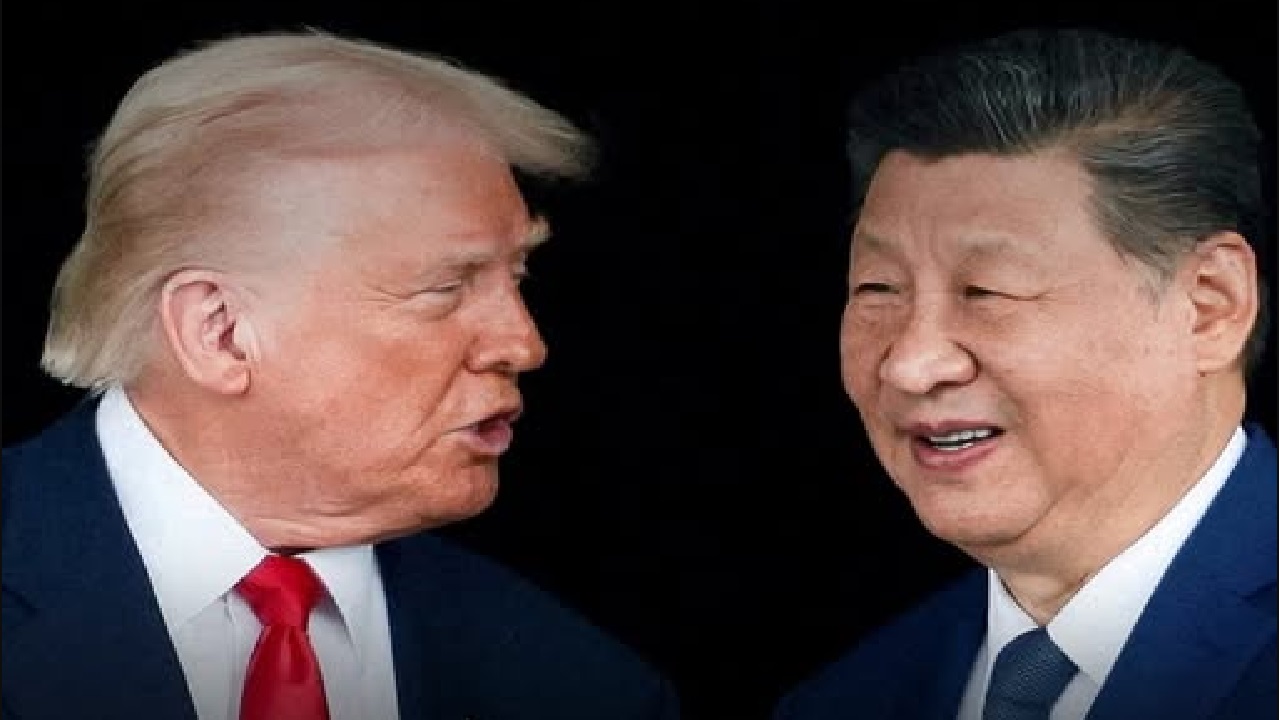



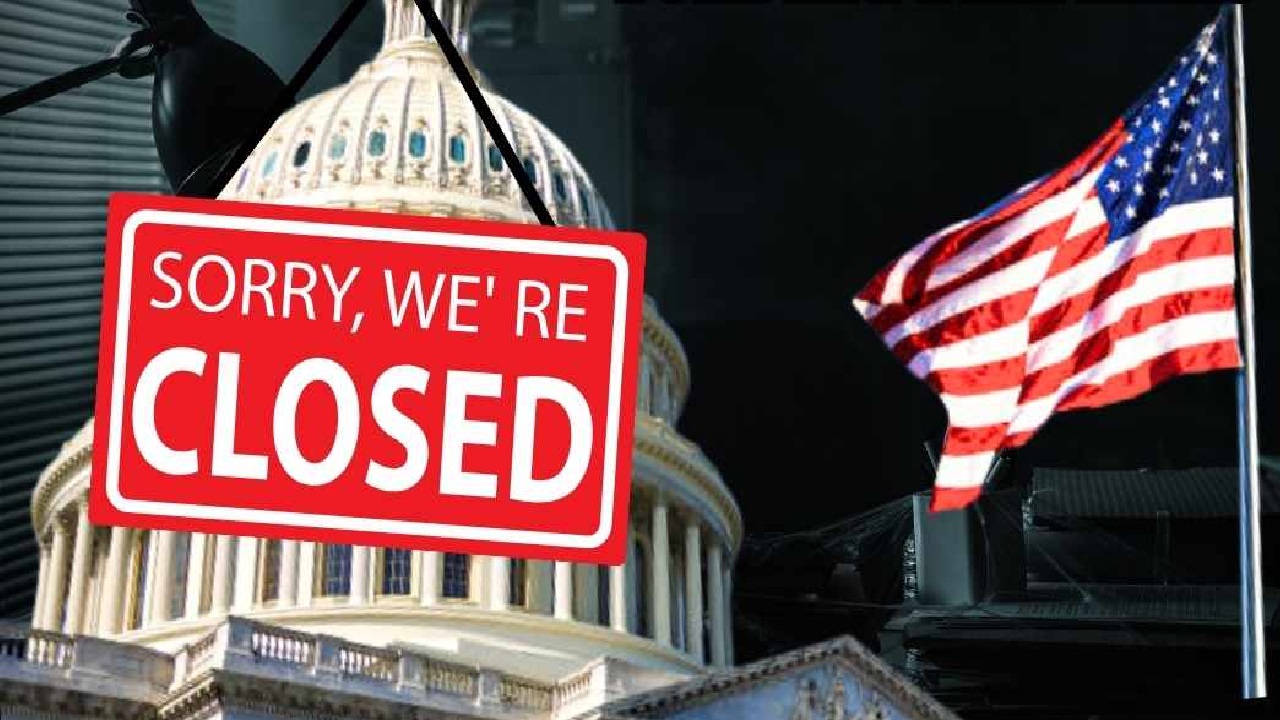
The United States government has once again ground to a halt — and this time, it’s breaking records. Now entering its fourth week, the ongoing federal shutdown has become the longest in U.S. history, crippling public services and leaving hundreds of thousands of federal workers unpaid. Airports are warning of chaos, national parks are shuttered, and millions of Americans face disrupted lives. While President Donald Trump and Democrats continue to trade blame, the deeper truth is that shutdowns have become a recurring symptom of America’s political dysfunction — one rooted in polarization, procedural rigidity, and the weaponization of fiscal policy.
The Immediate Trigger: A Budget Deadlock Turned Political Drama
This latest standoff began in early October 2025, when the Trump administration pushed for deep spending cuts across social programs as part of its new budget plan. Democrats resisted, insisting on greater funding for healthcare, housing, and education. When neither side would compromise, Congress failed to pass the annual appropriations bills required to keep the government running — triggering an automatic shutdown of “non-essential” federal operations.
The stalemate echoes Trump’s previous record-setting shutdown in 2018–19, which lasted 35 days and cost billions in lost productivity. But this time, the impasse is even more entrenched, reflecting not just policy differences but a political culture addicted to brinkmanship.
A Pattern of Political Paralysis
Government shutdowns were once rare in U.S. history. But over the past four decades — particularly since the 1980s — they’ve become disturbingly frequent. Since 1980, there have been 14 federal shutdowns, nearly half of which occurred in the past decade alone.
The roots lie in the deep partisan divide that now defines Washington. America’s constitutional system requires cooperation between the executive branch (the president) and the legislative branch (Congress) to pass funding bills. Yet in today’s polarized landscape, compromise has become politically toxic. Each party fears backlash from its base more than national disruption, using shutdown threats to force policy concessions.
As a result, what was once a technical budget process has turned into a high-stakes political weapon — one wielded to advance agendas on immigration, healthcare, taxation, and spending priorities.
Systemic Failures: The Broken Budget Process
Beyond partisan gridlock, structural flaws in the U.S. budgeting system have made shutdowns almost inevitable. By law, Congress must pass 12 separate appropriations bills each fiscal year. Increasingly, lawmakers avoid this complex task by passing temporary stopgap measures known as “continuing resolutions.” These short-term fixes keep the government running but defer hard decisions, ensuring the same conflicts resurface when the extensions expire.
Political factions within both parties have also discovered that obstructing budgets can be a powerful way to gain media attention and energize supporters. In an era dominated by 24-hour news and social media, political theater often trumps governance — even if it comes at a steep national cost.
Economic Fallout: The Cost of Dysfunction
Every shutdown comes with a price tag. According to the Congressional Budget Office, each week of closure trims 0.1 to 0.2 percentage points off quarterly GDP growth. Nearly 750,000 federal employees are either furloughed or working without pay, while contractors lose billions in unpaid work.
The consequences ripple far beyond Washington. Airports face staff shortages, raising fears of travel delays and safety concerns. Food safety inspections slow down, national parks close, and federal aid programs pause. Even the stock market reacts nervously as critical economic data — such as jobs and inflation reports — are delayed, unsettling investors.
In the words of one economist: “Shutdowns are not just a budget issue; they are a confidence issue. When the world’s largest economy can’t fund itself, it shakes global trust.”
Why Shutdowns Last Longer Under Trump
Trump’s shutdowns tend to last longer not because of logistics, but because of political calculation. His strategy frames shutdowns as leverage — a way to pressure Democrats into concessions and demonstrate toughness to his base. The 2018–19 shutdown, once the longest in history, saw around 800,000 workers affected; roughly 300,000 were furloughed entirely.
Now, in 2025, the same playbook is in motion — only with deeper polarization and fewer moderates left in Congress to mediate. The result: longer standoffs, greater economic pain, and diminishing public trust in both parties.
A Crisis of Governance, Not Just Politics
America’s recurring shutdowns reveal something far more serious than temporary dysfunction — they expose a governance crisis at the heart of its democracy. A system designed to encourage negotiation has become gridlocked by ideology and self-interest.
The solution lies not in rewriting laws but in restoring political accountability and institutional cooperation. Both parties must rediscover the value of compromise — not as a sign of weakness, but as a tool of responsible governance. Until that happens, the United States will continue to face shutdowns not because it lacks funds, but because it lacks the will to agree on how to use them.
(With agency inputs)