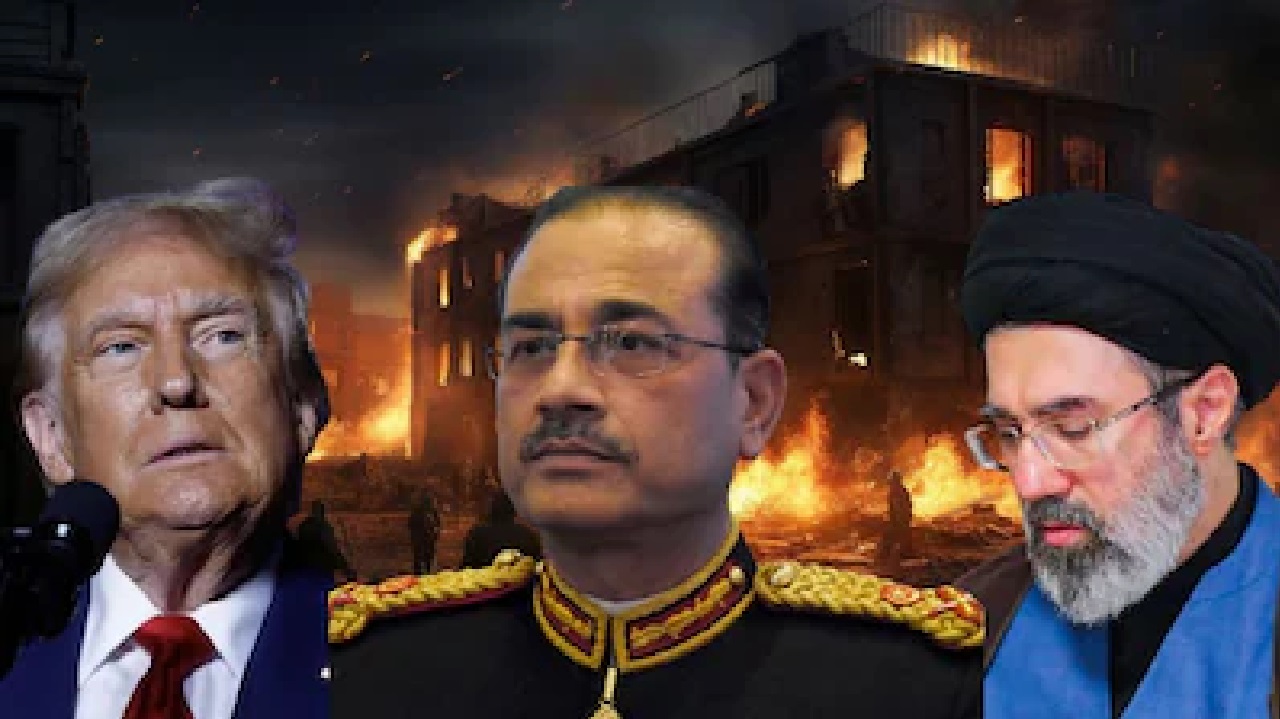
As tensions between the United States and Iran edged toward a dangerous escalation, the search for a credible mediator became urgent. Both sides ultimately converged on Pakistan—not merely as a convenient host, but as a strategically balanced actor capable of facilitating dialogue without triggering mistrust. Islamabad’s role in brokering the ceasefire talks reflects a rare alignment of geography, diplomacy, and mutual acceptability, offering both Washington and Tehran a face-saving path toward de-escalation.
Geopolitical Balance and a Trusted Channel
One of Pakistan’s key advantages lies in its ability to maintain working relationships with both sides. Iran’s distrust of several Arab Gulf states, particularly due to their close security ties with the US, has limited the pool of acceptable mediators. In contrast, Pakistan shares a long border with Iran and has sustained a relatively stable diplomatic relationship, reinforced by cultural and political familiarity.
For Washington, Pakistan has proven to be a reliable intermediary capable of discreet communication. Its role in transmitting proposals—such as the US’s 15-point framework and Iran’s 10-point counter—demonstrates its utility as a backchannel that can operate with confidentiality. This dual trust has positioned Pakistan as a rare conduit in a deeply polarized geopolitical environment.
Neutrality on Israel and Alignment with China
Pakistan’s lack of diplomatic relations with Israel further enhances its credibility in Tehran’s eyes. Unlike several Gulf nations that have normalized ties with Israel, Pakistan’s consistent stance on Palestine reinforces its image as a neutral actor from Iran’s perspective. This distinction is crucial in a conflict where perceptions of alignment can undermine mediation efforts.
Additionally, Pakistan’s growing strategic relationship with China adds another layer of reassurance. As Beijing plays an increasingly active diplomatic role in the region, Islamabad’s alignment with Chinese interests signals that the mediation process is not exclusively shaped by Western priorities. This multilateral dimension helps both the US and Iran view the talks as part of a broader, more balanced framework.
Domestic Stakes and Regional Stability
Pakistan’s motivations are not purely diplomatic—they are deeply rooted in its own national interests. Escalation in the region threatens critical energy routes through the Strait of Hormuz, which are vital for Pakistan’s economy. Prolonged conflict also raises concerns about refugee flows, border instability, and broader regional disruption.
By hosting the April 10 talks in Islamabad, Pakistan is positioning itself as a stabilizing force while also seeking to enhance its diplomatic standing. The intense round-the-clock engagement by its leadership—reportedly involving coordination with US and Iranian officials—underscores its commitment to preventing further escalation.
Diplomatic Gains and Minor Missteps
While Pakistan’s mediation efforts have earned international recognition, they have not been without hiccups. A social media misstep involving a prematurely posted draft message by the Prime Minister briefly drew criticism and online scrutiny. However, this episode has done little to overshadow the broader diplomatic achievement of bringing both sides to the negotiating table.
A Rare Convergence of Trust and Interest
Pakistan’s emergence as the mediator in the US–Iran ceasefire talks highlights the importance of perceived neutrality, regional stakes, and diplomatic agility. By offering a platform that neither side views with suspicion, Islamabad has enabled a critical pause in hostilities. Whether this role translates into lasting influence will depend on the outcomes of the talks, but for now, Pakistan stands as a pivotal bridge in one of the world’s most volatile geopolitical confrontations.
(With agency inputs)