A Political Flashpoint Ahead of Elections
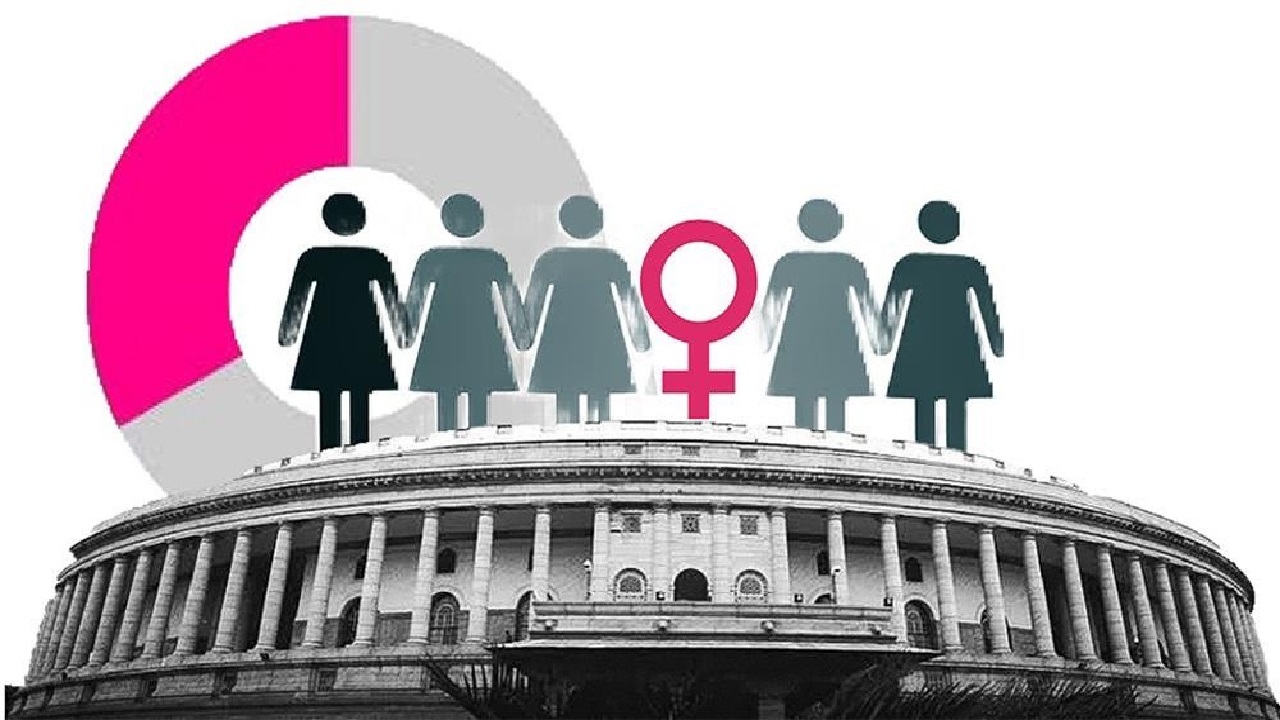
The government’s renewed push to fast-track amendments to the Women’s Reservation framework—promising 33 percent representation for women in legislatures—has ignited a sharp political debate. Framed by supporters as a historic step toward gender equity, critics view the timing with skepticism, especially with key elections on the horizon. The move has not only intensified partisan divisions but also raised deeper questions about parliamentary restructuring, delimitation, and the broader electoral calculus behind the reform.
Timing and Optics: Reform or Political Messaging?
At the heart of the controversy lies the timing. The decision to convene a special parliamentary session in mid-April to advance the amendments has prompted opposition parties to question the government’s intent. Critics argue that the urgency appears politically motivated, aimed at shaping electoral narratives rather than ensuring a fair and inclusive implementation.
Opposition leaders have voiced concerns that linking the reservation rollout to the 2011 Census risks freezing existing disparities in seat allocation. They contend that a delay until a fresh census could allow for a more equitable distribution, particularly benefiting underrepresented groups. The debate, therefore, is not about the principle of women’s reservation itself—widely supported across parties—but about the sequencing and structural framework underpinning it.
Caste Dynamics and the Mandal Factor
The issue has also reignited the complex interplay of caste politics. Several opposition voices argue that the current proposal may inadvertently sideline Other Backward Classes (OBC) women, who could otherwise emerge as a significant political force under a more inclusive framework. By implementing the quota based on existing demographic data, critics fear that the benefits may disproportionately accrue to established political families rather than grassroots candidates from marginalized communities.
This has transformed the debate from a gender-focused reform into a broader question of social justice. The invocation of “Mandal politics” reflects an attempt to reframe the issue through the lens of caste equity, highlighting concerns that the reform could deepen existing regional and social divides rather than bridge them.
Government’s Strategy: Assertive and Calculated
On the other side, the government has signaled a firm commitment to pushing the amendments through. Within the ruling alliance, there appears to be a clear “no-retreat” stance, with efforts underway to consolidate support among smaller parties and allies. The strategy leverages a political reality: opposing women’s reservation outright carries significant reputational risks.
By advancing the legislation in its current form, the government may be seeking to lock in a favorable political and electoral framework before future demographic changes reshape the landscape. This includes potential advantages in seat distribution and a controlled expansion of representation that aligns with existing power structures.
The Core Question: Implementation Over Principle
What emerges from the debate is a shift in focus—from whether women’s reservation is necessary to how and when it should be implemented. The underlying tension revolves around delimitation, census data, and the balance between gender representation and caste equity. Both sides are effectively contesting the rules of the game rather than the objective itself.
Reform at the Crossroads of Politics and Equity
The women’s reservation push stands at a critical intersection of progressive reform and political strategy. While it promises to reshape legislative representation, its impact will ultimately depend on the fairness and inclusivity of its implementation. As the debate unfolds, the challenge lies in ensuring that the reform transcends electoral considerations and delivers meaningful empowerment across social strata. Whether it becomes a landmark achievement or a contested political tool will hinge on how these competing priorities are reconciled in the months ahead.
(With agency inputs)