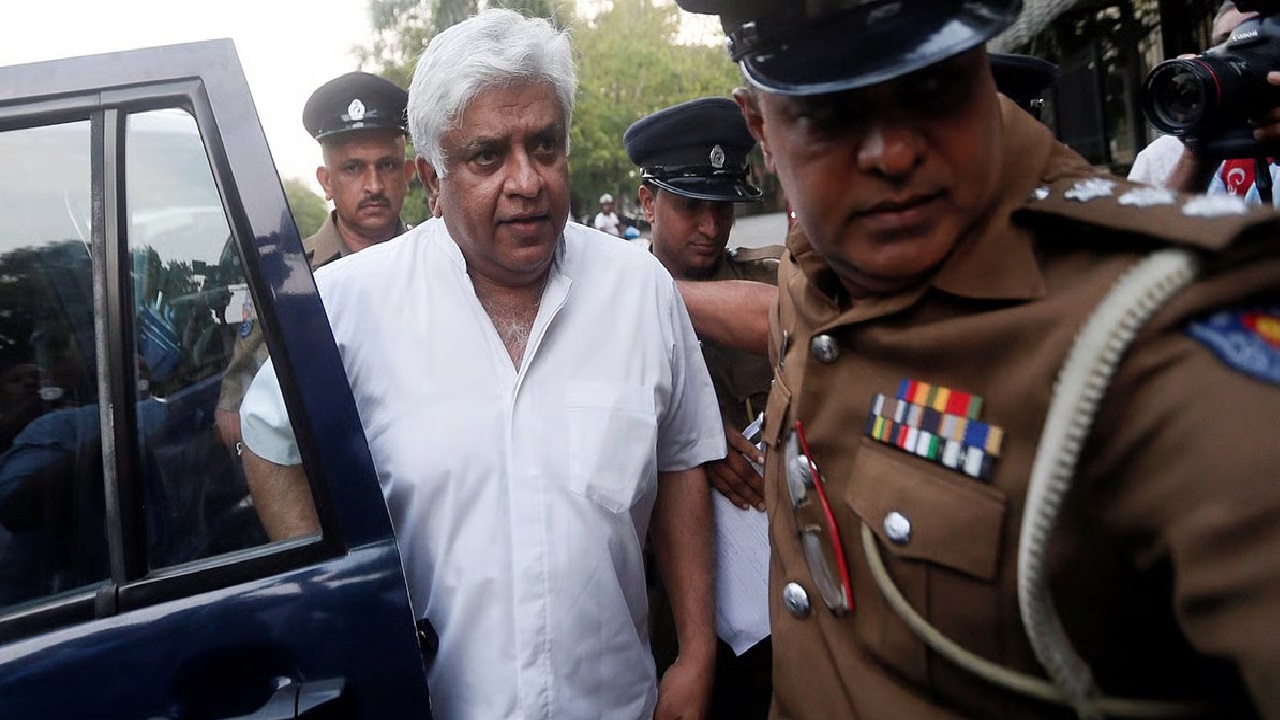
Sri Lanka is bracing for the arrest of one of its most celebrated sporting figures. Arjuna Ranatunga, the former cricket captain who led the island nation to its historic 1996 World Cup victory and later served as Petroleum Minister, is set to be taken into custody over an alleged fuel procurement scam that reportedly caused a loss of nearly LKR 800 million (about Rs 23.5 crore) to the state-run Ceylon Petroleum Corporation (CPC). The case has revived memories of entrenched corruption during past administrations and underlined the new government’s aggressive anti-graft posture.
The Case at a Glance
The Commission to Investigate Allegations of Bribery or Corruption (CIABOC) alleges that during 2017–18, three long-term fuel supply tenders were abruptly cancelled under ministerial authority. In their place, CPC reportedly resorted to 27 spot purchases at significantly higher prices, in violation of established procurement procedures. Investigators say Arjuna Ranatunga approved the policy deviation as minister, while his brother, Dhammika Ranatunga—then CPC Chairman—implemented it operationally.
Dhammika Ranatunga was arrested in mid-December and later released on bail, subject to a travel ban owing to his dual Sri Lankan–US citizenship. Arjuna Ranatunga, named the second suspect, is expected to be produced in court following his arrest. Both have denied wrongdoing through family and legal representatives.
Political and Institutional Context
The case has gained momentum following fresh audits conducted after 2024, which flagged historic losses at CPC. It also coincides with President Anura Kumara Dissanayake’s post-election anti-corruption campaign, which has seen more than 20 investigations launched against politicians and senior officials. The move signals a clear break from the culture of impunity that marked earlier periods, particularly during the Sirisena–Wickremesinghe and Rajapaksa eras.
Politically, Ranatunga’s arrest is symbolically powerful. Long viewed as a reformist and outspoken critic of corruption, his fall complicates narratives within the Sri Lanka Podujana Peramuna (SLPP) ecosystem while strengthening the ruling National People’s Power (NPP) platform of “clean governance” ahead of upcoming local elections.
Legal Consequences: Lessons from Similar Cases
Sri Lanka’s Bribery Act provides for rigorous imprisonment of up to seven years per offense, alongside fines and asset recovery. Crucially, courts often impose consecutive sentences across multiple counts, leading to decades-long prison terms.
Recent precedents are stark. In 2025, a former provincial chief minister received 20 years’ rigorous imprisonment and heavy financial penalties for fuel-related abuse. Technical officers and customs officials have faced cumulative sentences ranging from 35 to 56 years for bribery and procurement fraud. Several ex-ministers from previous regimes have also been handed lengthy terms, with appeals rarely succeeding.
Given these patterns, legal experts suggest that if convicted under multiple sections—particularly those dealing with abuse of office and procurement violations—the Ranatunga brothers could face decades in prison, substantial fines, and civil recovery suits to reclaim CPC losses.
Accountability Over Adulation
The Ranatunga case marks a defining moment for Sri Lanka’s accountability framework. It underscores that political stature or sporting legacy no longer guarantees immunity from scrutiny. While due process will ultimately determine guilt or innocence, the aggressive pursuit itself sends a powerful signal: the era of selective justice may be waning. For Sri Lanka, grappling with economic recovery and institutional reform, this case could either reinforce public faith in the rule of law—or expose the limits of reform when legends fall from grace.
(With agency inputs)