Electric Aviation Gathers Momentum
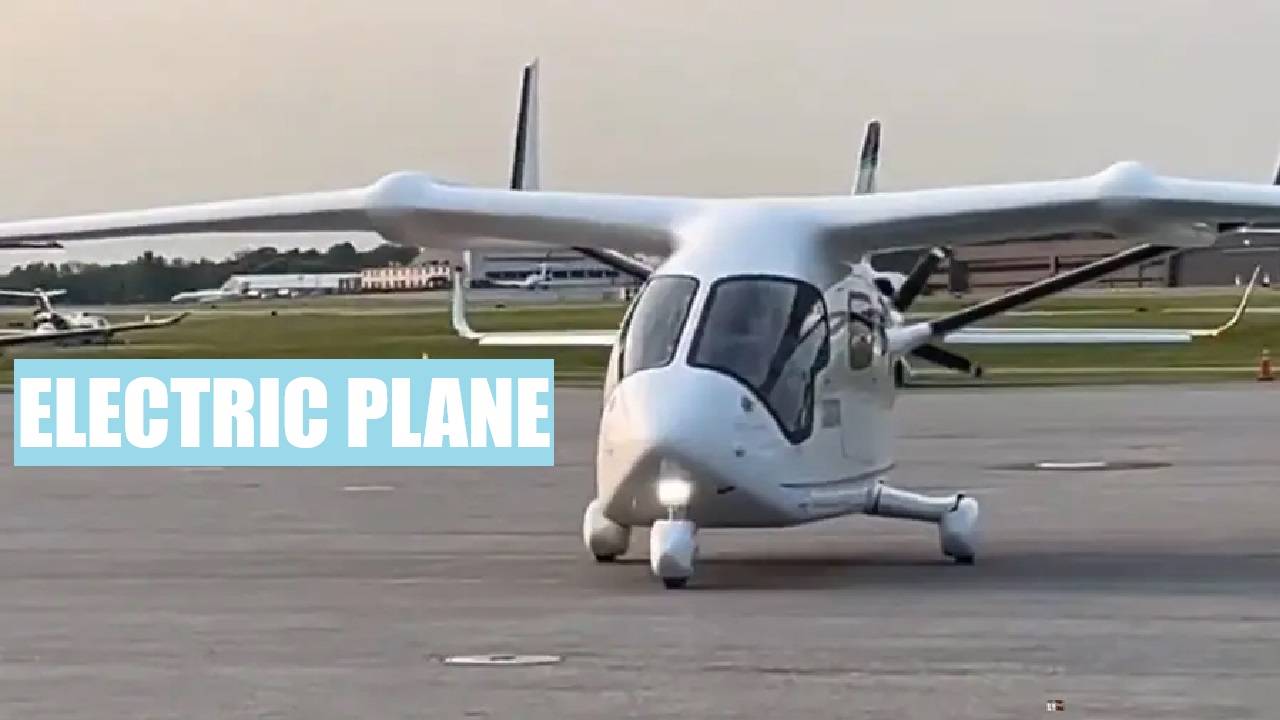
In a groundbreaking leap toward sustainable aviation, Beta Technologies’ electric aircraft, the Alia CX300, completed the world’s first all-electric passenger flight earlier this month. Covering 130 kilometers from East Hampton to New York’s JFK Airport in just over 30 minutes, the flight cost only $8 (around ₹700) in energy—compared to $160 (₹13,800) for a conventional helicopter covering the same route.
This development comes as electric mobility gains traction globally, not just on roads but now in the skies. While electric vehicles (EVs) are steadily replacing fossil-fueled cars in many markets, this success marks a major milestone for clean energy innovation in the aviation sector.
Historic Flight Details: Quiet, Quick, and Cost-Efficient
The Alia CX300, carrying four passengers, quietly soared across 70 nautical miles (about 130 km) in what is now being hailed as the first electric passenger flight in history.
“This is a 100% electric airplane,” said Kyle Clark, founder and CEO of Beta Technologies. “Charging this thing up and flying out here cost us about $8 in fuel. Of course, you have to pay for the pilot and the airplane, but, fundamentally, it’s way less expensive.”
Unlike traditional aircraft, the CX300’s electric motors provided a noise-free experience, allowing passengers to converse easily during the flight—another comfort factor that could enhance passenger appeal in commercial operations.
Beta’s Vision and the Road to Certification
Founded in Vermont in 2017, Beta Technologies has been quietly building momentum in the electric aviation space. The company has raised $318 million to scale up production and certification of its electric aircraft.
Beta is developing two aircraft:
· The CX300, a conventional take-off and landing model used in the historic flight
· The Alia-250 eVTOL, designed for vertical take-off and landing, targeting urban mobility
Beta aims to secure Federal Aviation Administration (FAA) certification for the CX300 by the end of 2025. With a range of 250 nautical miles (over 460 km) per charge, the aircraft is being positioned for short intra-city or regional routes, ideal for replacing short-haul flights and helicopter trips.
Electric Skies: A Competitive Future
Beta Technologies isn’t flying solo. Other companies are also preparing to take off in the electric aviation market. Archer Aviation, for instance, was recently announced as the official air taxi provider for the 2028 Los Angeles Olympics. Though FAA certification is still pending, Archer plans to launch operations in LA by 2026, aiming to transport passengers above the city’s notorious traffic.
The competition reflects a rapidly maturing sector where cleaner, quieter, and cheaper air travel is no longer just theoretical.
Flight Path to a Greener Future
The successful flight of the Alia CX300 marks more than a technological achievement—it symbolizes a shift in how the world may soon experience air travel. With cost-effectiveness, comfort, and sustainability on its side, electric aviation is approaching commercial viability faster than many expected.
As regulatory approvals come into place and more companies join the race, short-haul electric flights could become a realistic option for the average traveler within the decade—heralding a new era in mobility that’s clean, quiet, and remarkably affordable.
(With agency inputs)