


Xi’s Absence Fuels Speculation About China’s Future in BRICS
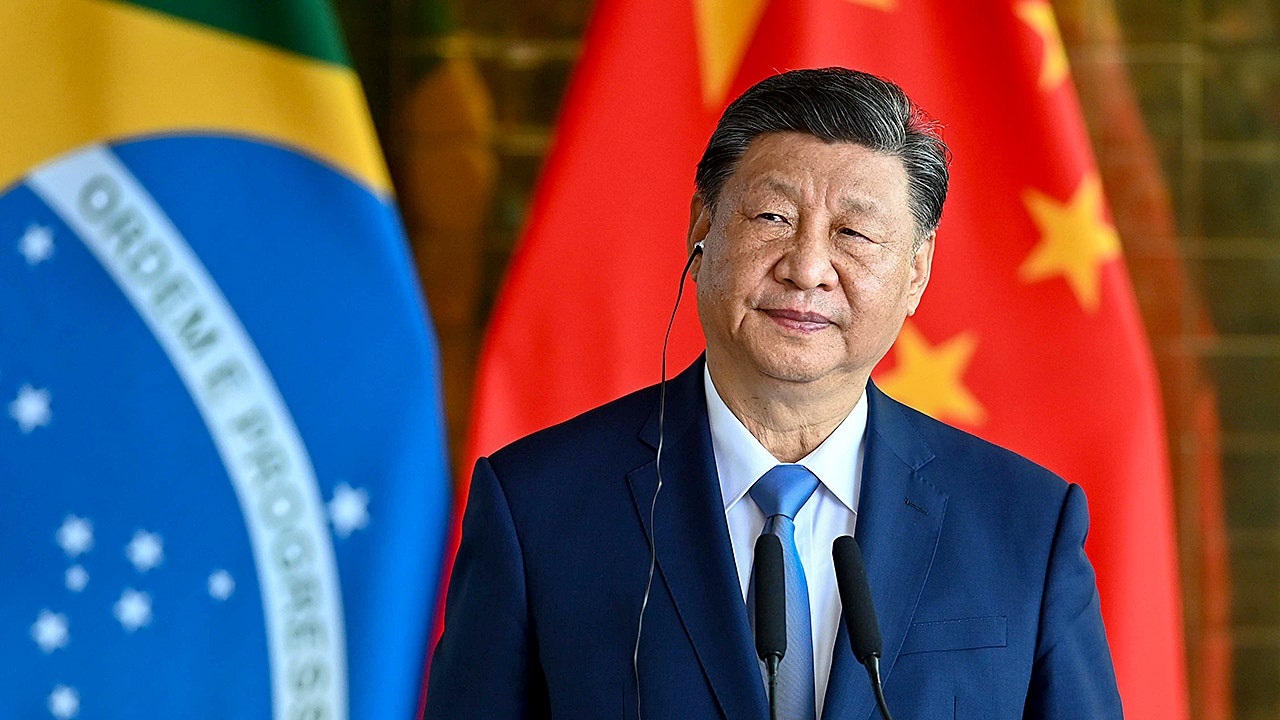
The 2025 BRICS Summit, held this year in Rio de Janeiro on July 6, was expected to be a stage for geopolitical recalibration. Instead, it has drawn attention for who wasn’t in attendance. For the first time since taking power in 2012, Chinese President Xi Jinping skipped the BRICS annual meeting, a gathering of major emerging economies. While Russian President Vladimir Putin was also absent, Xi’s no-show has triggered a wave of global speculation.
China’s role in BRICS has long been pivotal—not just economically, but symbolically. The group, initially composed of Brazil, Russia, India, and China, expanded in 2010 to include South Africa and recently welcomed new members like Egypt, UAE, Iran, and Ethiopia. With Beijing often seen as a cornerstone of this Global South alliance, Xi’s sudden absence has raised urgent questions: Is he focused on China’s domestic crisis, has his power weakened, or is a leadership transition underway?
BRICS 2025: Who’s in and Who’s Missing
Formed in 2006, BRICS aimed to rebalance the global order by giving voice to the world’s largest developing economies. Today, it includes Brazil, Russia, India, China, and South Africa, with new members like UAE, Egypt, Iran, Ethiopia, and Indonesia recently added.
At this year’s summit, Indian Prime Minister Narendra Modi and South African President Cyril Ramaphosa were present in Rio. PM Modi used the platform to strongly denounce terrorism, taking an indirect jab at Pakistan. Indonesia’s President Prabowo Subianto also marked his debut as a BRICS member, highlighting the group’s increasing geopolitical reach.
However, the absence of Xi and Putin—two of the bloc’s most powerful figures—overshadowed the event. While Russia cited the international warrant for Putin’s arrest as a factor, China offered only a vague explanation for Xi’s nonattendance, attributing it to “scheduling conflicts.”
Why Did Xi Skip the Summit?
Though China’s foreign ministry insists Xi’s absence is logistical, the decision has sparked much deeper inquiry. This is Xi Jinping’s first BRICS absence in 12 years, despite the strategic importance of the summit amid growing geopolitical divides.
Experts suggest a variety of internal pressures may be influencing Xi’s withdrawal from the global spotlight:
Economic Turmoil:
China’s economy is under serious strain. Industrial profits dropped 9.1% in May compared to the previous year. Consumer spending is down, real estate remains volatile, and the U.S.-China trade conflict adds uncertainty. Analysts believe Xi may be prioritizing economic recovery at home over global diplomacy.
Domestic Political Calculations:
Later this year, the Chinese Communist Party is expected to hold a key political meeting. According to scholars like Chong Ja Ian of the National University of Singapore, Xi might be focused on consolidating internal control and preparing for political restructuring.
Power Transition Speculation:
Reports from state-run Chinese media mention a high-level Politburo meeting to review new regulations governing party institutions. China analysts interpret this as groundwork for a possible leadership transition. Some experts even suggest Xi may be preparing to step down, despite having previously eliminated term limits.
Signs of Power Erosion:
Commentator Gordon Chang has gone further, arguing that Xi may be losing control both politically and militarily. “It’s extremely significant that Xi Jinping is not going. There are signs he’s lost control of the military and that civilian rivals are reasserting power,” he told Fox News.
Yet, there’s also a less sensationalist perspective: Xi may be disenchanted with the increasingly fractured state of BRICS itself.
Internal BRICS Tensions: A Strategic Withdrawal?
BRICS has grown rapidly in size, but not necessarily in unity. The addition of new members has increased ideological diversity and policy disagreements. The Associated Press reports that countries like Iran and South Africa pushed for strong statements condemning Israel’s war in Gaza, while others, including India and Brazil, resisted taking sides.
For a country like China—keen to project unity while also managing complex bilateral relations—this lack of cohesion might be a reason to pull back diplomatically. In this view, Xi’s absence may be tactical: a way to avoid messy divisions while focusing attention on recalibrating China’s global strategy.
Why Xi’s Absence Matters to BRICS and the World
Xi Jinping’s decision not to attend is more than symbolic—it potentially weakens BRICS’ global posture. China has long been the economic engine and diplomatic anchor of the bloc. Xi’s presence would have signaled continued Chinese investment in a multipolar world order and commitment to Global South solidarity.
His absence, especially alongside Putin’s, dilutes the summit’s credibility. It also creates a power vacuum within BRICS that could shift the group’s balance—potentially giving India and Brazil greater influence.
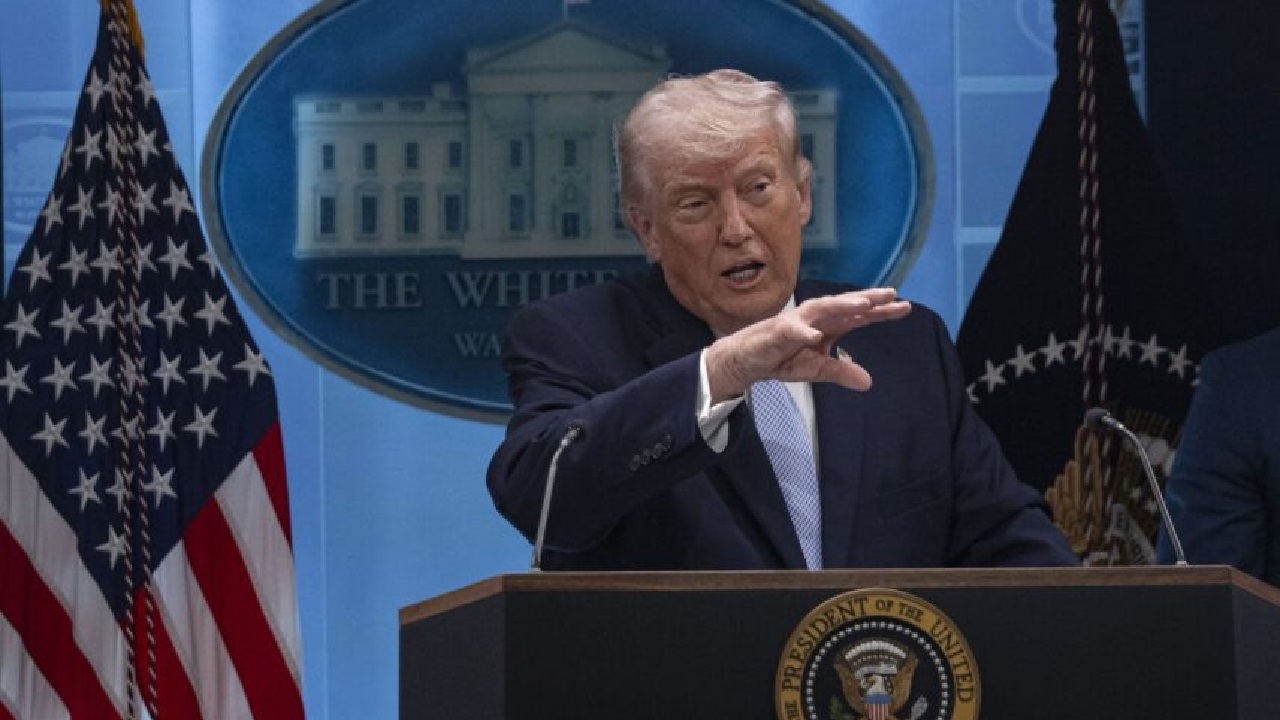
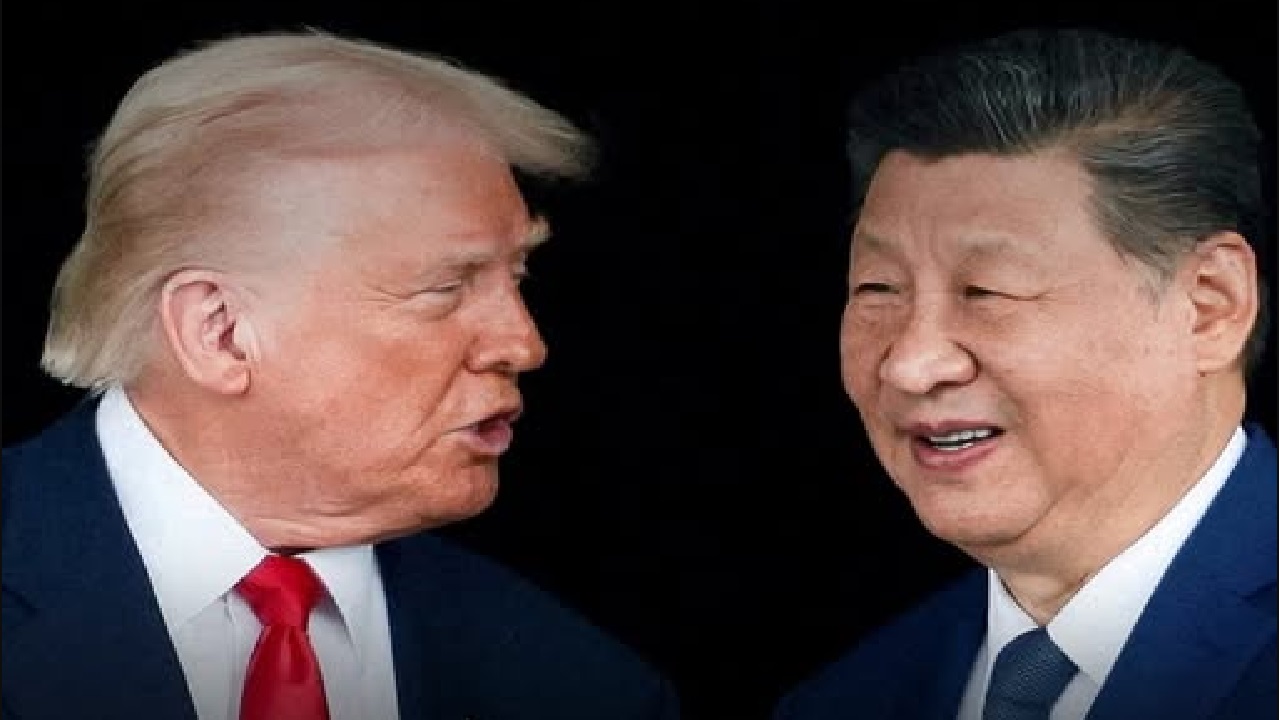
Moreover, the United States is watching closely. Former President Donald Trump posted on Truth Social warning that any country aligning with the “anti-American policies of BRICS” would face an additional 10% tariff. This signals the growing stakes of bloc politics and the potential consequences for countries caught between East and West.
A Turning Point for China—and BRICS?
Xi Jinping’s BRICS no-show may seem like a diplomatic footnote, but its implications ripple far wider. Whether it reflects mounting domestic pressure, preparations for succession, or strategic withdrawal from an increasingly disjointed coalition, it marks a critical moment in China’s international posture.
For BRICS, the incident underscores the challenge of maintaining cohesion in a bloc that spans continents, ideologies, and geopolitical priorities. Without China’s visible leadership, the group’s ambition to serve as a counterweight to Western institutions risks stagnation.
As questions swirl about Xi’s future and China’s internal direction, one thing is clear: BRICS is at a crossroads. Whether it evolves into a more cohesive, influential alliance—or begins to unravel under its own contradictions—may hinge not just on policy, but on the choices of its most powerful player.
(With agency inputs)