The YouTube Controversy That Sparked Nationwide Outrage
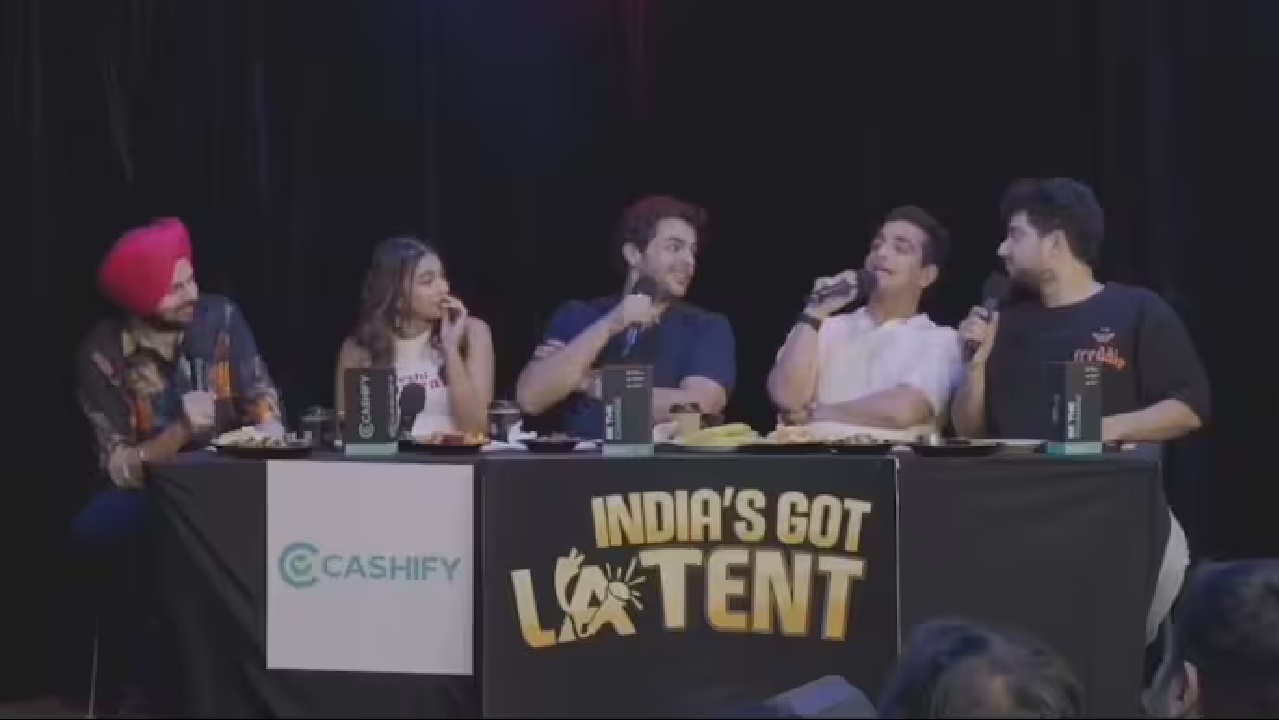
YouTube, once a platform known for free expression and entertainment, has now become the center of a major controversy involving comedian Samay Raina and podcaster Ranveer Allahbadia. A clip from Raina’s YouTube show India’s Got Latent went viral, sparking massive outrage over what many have called an inappropriate and offensive remark about intimacy between parents.
The controversial question posed by Allahbadia on the show led to widespread backlash, legal action, and debates on the limits of freedom of speech in digital spaces. From social media users to politicians and even the National Commission for Women (NCW), reactions have come from all corners, raising an important question—should there be stricter regulations for YouTube creators?
The Viral Clip and Its Fallout
A short segment from India’s Got Latent featuring Allahbadia asked a contestant:
“Would you rather watch your parents have sex every day for the rest of your life or join in once and stop it forever?”
Despite Allahbadia issuing a public apology, calling it a “lapse in judgment,” and Raina deleting all episodes of the show from YouTube, the controversy refused to die down. The Maharashtra Cyber Cell took swift action, summoning Raina for questioning twice. However, he informed authorities that he was in the U.S. and would return by March 17, seeking more time to respond to the summons.
Meanwhile, the Mumbai Police recorded statements from seven individuals, including social media influencer Apoorva Makhija. Over 40 people associated with the show—including judges and participants—were also summoned as part of the investigation.
Public Reactions: Divided Opinions from Different Sections of Society
The controversy has evoked strong reactions from various sections of society:
Legal and Political Figures: Shiv Sena MP Naresh Mhaske raised the issue in Parliament, calling for stricter laws to regulate online content. Maharashtra Chief Minister Devendra Fadnavis, while not having seen the clip himself, emphasized that freedom of speech should not come at the cost of violating societal norms.
Social Media Users: The internet is divided, with some defending the creators under the banner of free speech, while others argue that such content normalizes indecency and should be strictly controlled.
Women’s Rights Groups: The National Commission for Women (NCW) took a strong stance, summoning Allahbadia, Raina, Makhija, Jaspreet Singh, Ashish Chanchlani, and the show’s producers, Tushar Poojari and Saurabh Bothra, to appear before them on February 17 in New Delhi.
The Growing Need for Regulations in the YouTube Space
With social media and content creation platforms like YouTube having a massive influence on millions, controversies like this highlight the urgent need for regulatory frameworks. Unlike traditional media, which is subject to censorship and content guidelines, YouTube operates in a largely unregulated space, allowing creators to push boundaries without much accountability.
The debate here is not just about one viral clip but the larger trend of content creators crossing ethical lines in the name of engagement. Should there be a dedicated regulatory body for digital content? Should YouTube itself take more responsibility in moderating such material?
Where Do We Draw the Line?
While freedom of expression is essential in a democracy, there is a fine line between humor and offensiveness, between creative liberty and societal responsibility. The outrage over India’s Got Latent is a wake-up call for content creators, audiences, and policymakers alike.
With growing concerns over inappropriate content, there is now a strong case for enforcing clearer guidelines and legal measures to ensure digital platforms remain spaces of responsible entertainment rather than controversy and chaos. Whether through government intervention or stricter self-regulation by platforms like YouTube, it’s clear that some level of oversight is necessary to prevent such incidents in the future.
(With inputs from agencies)