A Fraught Visit to Washington
Ukrainian President Volodymyr Zelenskiy has landed in Washington for one of the most critical diplomatic encounters since Russia’s full-scale invasion began in 2022. Flanked by leaders from across Europe, he is preparing to face U.S. President Donald Trump, who in recent days has hinted at pushing for a peace settlement aligned more closely with Moscow’s terms. The meeting — first one-on-one in the Oval Office, then expanded to include European heads of state and NATO leaders — could shape the trajectory of the war and Ukraine’s place in the global security order.
Trump’s Shift After Meeting Putin
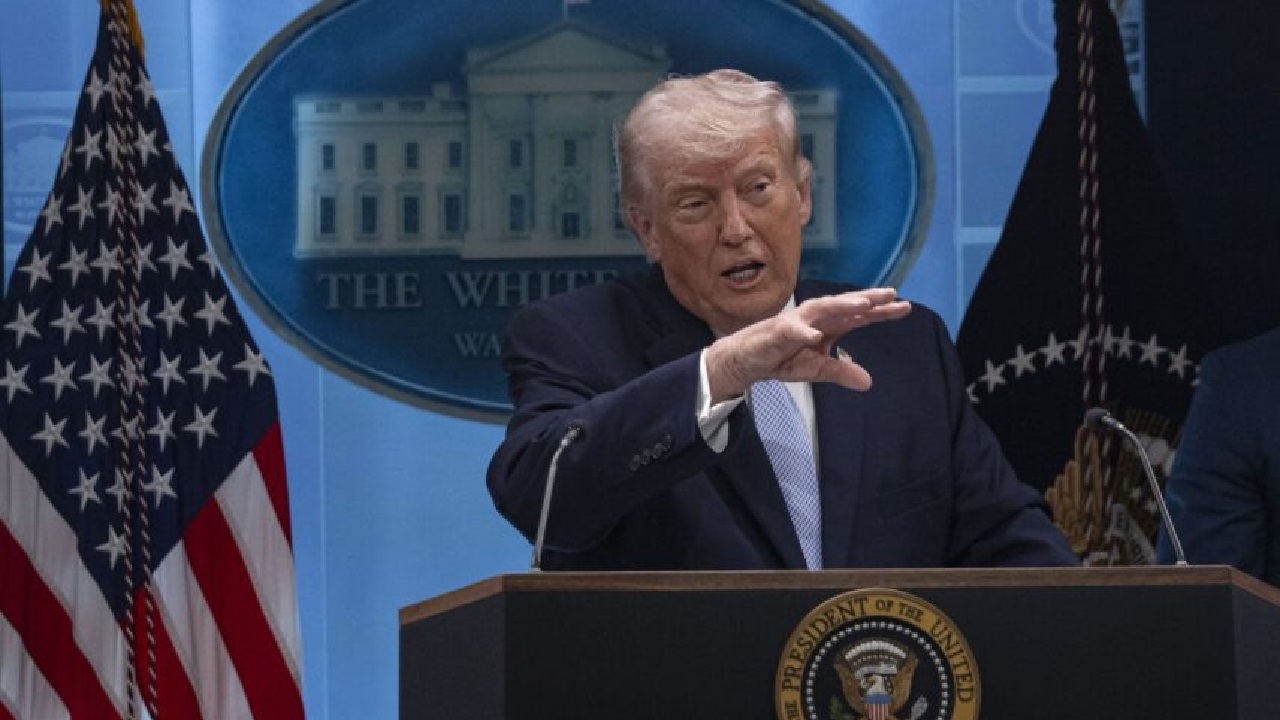
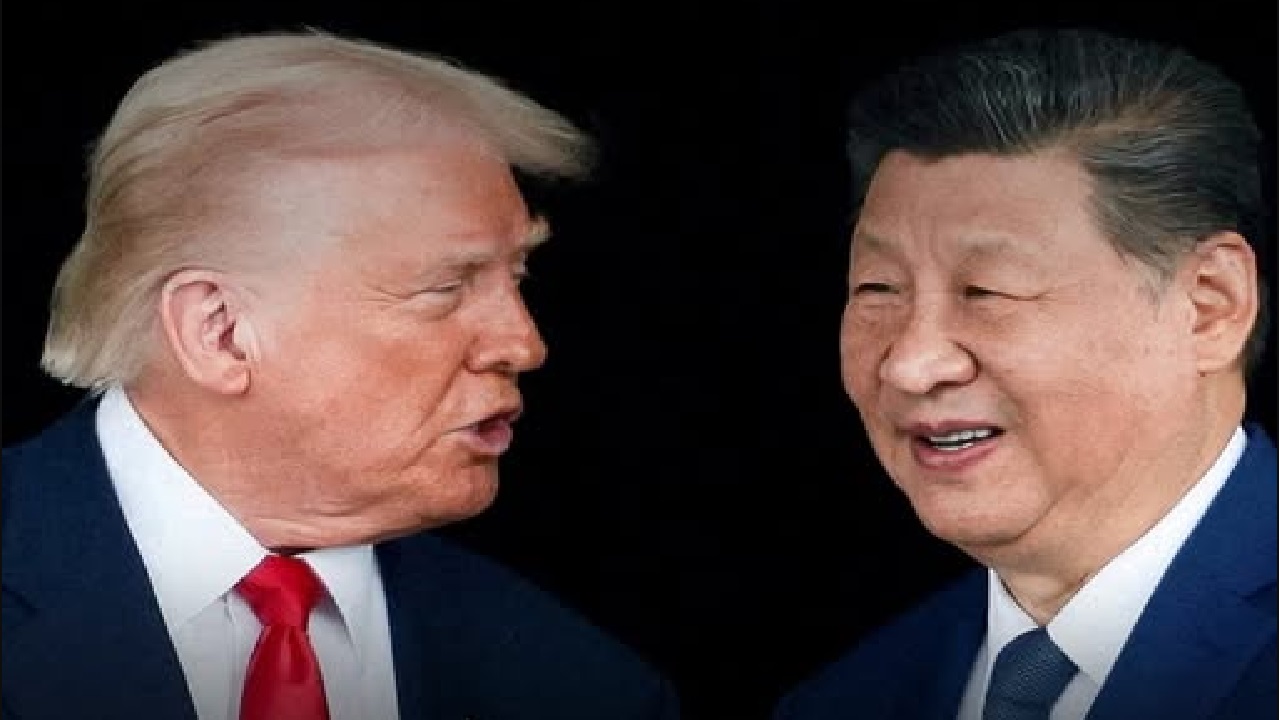
Only days ago, Trump gave Russian President Vladimir Putin a ceremonial welcome in Alaska, and soon after declared that the war could end “almost immediately” if Zelenskiy chose to do so. His remarks suggested that Kyiv should consider compromises, a line echoing Moscow’s narrative. Putin’s reported proposal includes Ukraine ceding control of the remainder of the Donetsk region — an offer Zelenskiy has already dismissed as impossible, both strategically and constitutionally.
The shift is stark: earlier this year, Trump had signaled support for a ceasefire to facilitate deeper negotiations. After the Alaska summit, however, he appeared to embrace Russia’s approach of negotiating a final settlement even while fighting continues. For Ukraine, such an outcome risks locking in territorial losses and emboldening further aggression.
Kyiv’s Stance: No Deal Without Security
Zelenskiy has been unequivocal: Ukraine cannot hand over land. In Brussels on Sunday, he underlined that his country’s constitution forbids the surrender of territory, and reiterated that talks must begin from the current front lines, not Moscow’s demands.
Beyond territorial integrity, Kyiv is insisting on robust security guarantees. Since Russia annexed Crimea in 2014 and launched its full-scale assault in 2022, Ukrainian leaders have argued that only ironclad commitments — ideally backed by Western powers — can prevent future invasions. With Russian forces continuing to push forward in Donetsk, the stakes for securing such guarantees are higher than ever.
Europe Rallies Behind Zelenskiy
Mindful of Trump’s unpredictable posture, European leaders have moved quickly to demonstrate solidarity with Ukraine. Leaders from Britain, Germany, France, Italy, Finland, the European Union, and NATO are all attending the Washington talks, determined to prevent Kyiv from being isolated.
On Sunday, ahead of the White House meetings, these leaders held a joint call with Zelenskiy to coordinate strategy. The show of unity is not only symbolic; European capitals provide billions in aid and advanced weaponry that remain crucial for Ukraine’s survival. As Oleksandr Merezhko, a lawmaker from Zelenskiy’s party, noted: “Trump behaves differently in the presence of Europeans. Their attendance changes the dynamics.”
Washington’s Position: Divided Messaging
The Biden years had seen U.S.-Ukraine ties flourish, but relations have cooled since Trump returned to office in January. While Secretary of State Marco Rubio insisted on Sunday that European leaders were not in Washington to “protect” Zelenskiy, many in Kyiv see their presence as a safeguard against Trump’s shifting tone.
The U.S. remains indispensable to Ukraine’s defense, supplying intelligence, precision weapons, and logistical support that Europe cannot yet fully replace. This dependency forces Zelenskiy to tread carefully, even when Trump’s statements appear out of step with Ukrainian objectives.
The Battlefield Reality
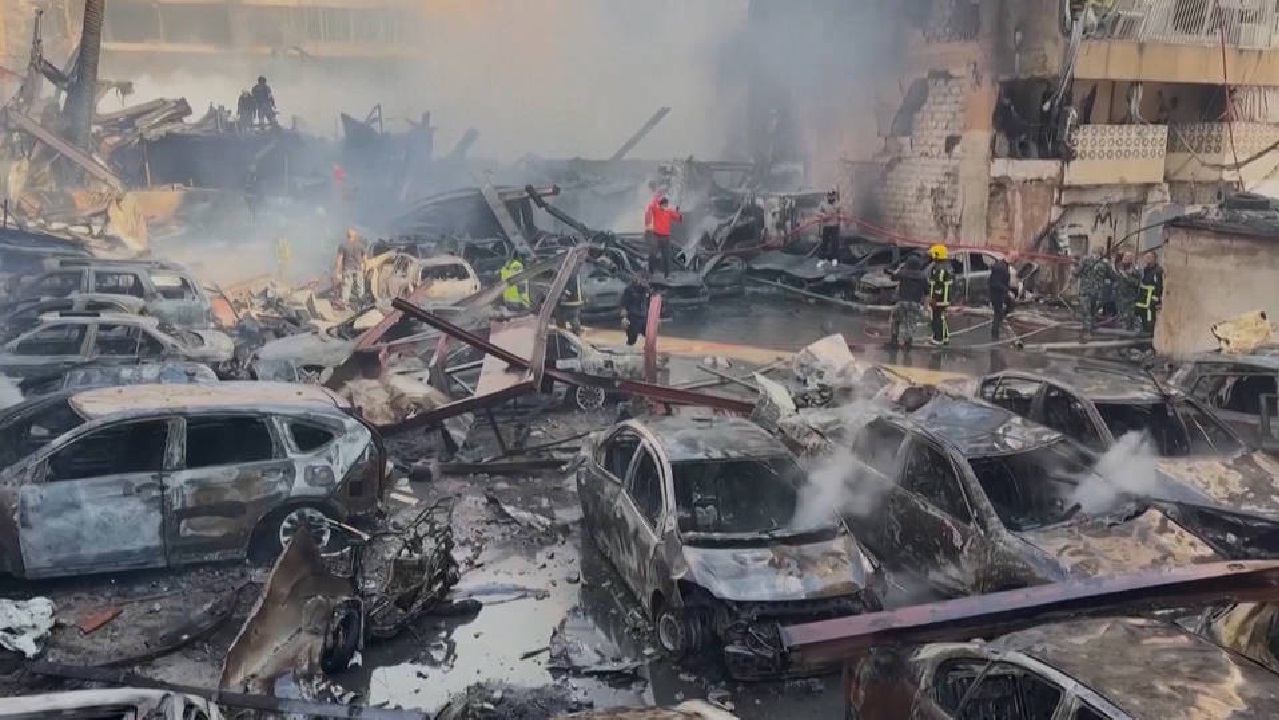
On the ground, Russia continues to grind forward, relying on sheer numbers and heavy artillery. Towns in Donetsk remain under relentless pressure, and Moscow shows no sign of halting operations until its goals are met. Putin has declared he is prepared to fight indefinitely, banking on battlefield attrition to force Kyiv into concessions.
Ukraine, for its part, is betting on advanced technology, fortified defensive lines, and the ability to inflict steep casualties to offset Russia’s numerical superiority. European financial and military aid forms a vital pillar of this strategy, particularly as uncertainty grows over America’s long-term reliability.
The Memory of February
For Zelenskiy, this visit carries the shadow of a bruising Oval Office exchange earlier in the year, where tensions with Trump reportedly boiled over. European allies hope their presence will ensure a more balanced conversation this time, preventing Kyiv from being cornered into compromises it cannot accept.
Trump, meanwhile, appears eager to position himself as a global dealmaker, but his outreach to Putin and subsequent rhetoric have heightened European fears that Washington could tilt away from Ukraine’s core interests.
A Defining Diplomatic Test
The Washington meetings will not end the war, but they may define how the next phase unfolds. For Zelenskiy, the challenge is to hold firm against proposals that jeopardize Ukraine’s sovereignty, while keeping American support intact. For Europe, the task is to reinforce Kyiv and demonstrate that Ukraine’s future is a shared continental responsibility, not merely a transatlantic bargaining chip.
As the war grinds through its fourth year, the question is no longer just about territory. It is about whether Western unity — the cornerstone of Ukraine’s resistance — can withstand the pressures of diplomacy shaped as much by personal politics as by principles.
(With agency inputs)