A Legal Battle Rooted in Geopolitical Tensions
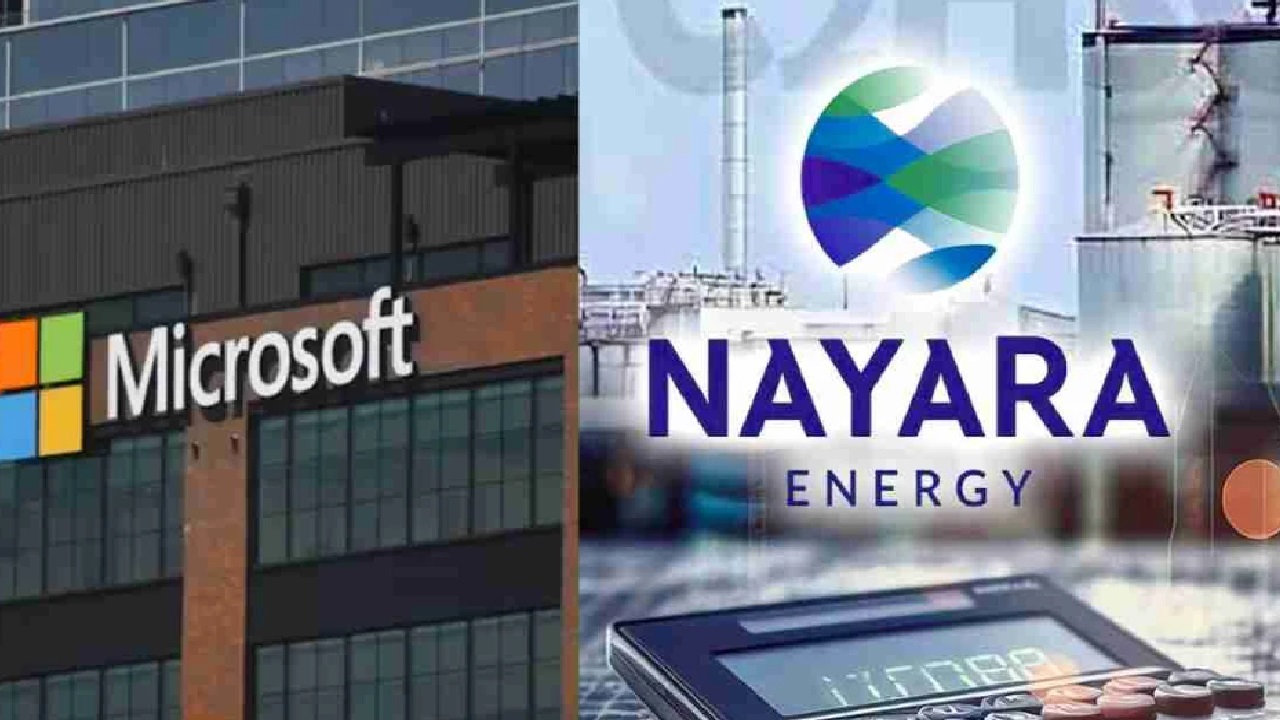
Russia-linked Indian oil refiner Nayara Energy has initiated legal proceedings against Microsoft, accusing the U.S.-based tech giant of unilaterally halting critical software services. The conflict stems from Microsoft’s interpretation of recent European Union sanctions targeting Russian energy interests. Nayara, backed by Russian oil major Rosneft, argues that Microsoft’s actions are unjustified under Indian or U.S. law and could disrupt India’s energy infrastructure.
A Refining Giant Under Pressure
Nayara Energy, which operates one of India’s largest private refineries and accounts for nearly 8% of the nation’s refining capacity, is partly owned by Russia’s Rosneft (holding 49.13%). Despite this link, the company stresses that it functions entirely within the framework of Indian laws and maintains a firm commitment to national energy security. With ongoing investments exceeding ₹70,000 crore across petrochemicals, ethanol production, infrastructure, and ESG initiatives, Nayara projects itself as an “In India, for India” entity.
However, recent enforcement of the EU’s 18th package of sanctions against Russia—meant to tighten restrictions on its oil and refined product exports—has begun to complicate business operations for Russian-affiliated firms, including Nayara.
The Microsoft Dispute: Allegations of Overreach
In a strongly worded statement, Nayara alleged that Microsoft suspended access to key software products, internal tools, and data despite all licenses being fully paid for. The company claims that this action was taken without prior notice, discussion, or legal obligation.
The move, Microsoft says, aligns with compliance efforts tied to evolving EU sanctions. However, Nayara counters that the tech giant has overstepped, applying EU policies within Indian jurisdiction without any binding legal requirement. The refiner asserts this could create a worrying trend—where multinational corporations interpret and enforce foreign policies in sovereign nations without accountability.
Legal Response: Petitioning for Urgent Relief
In response, Nayara Energy has filed a petition with the Delhi High Court seeking an interim injunction. The company is asking for an immediate restoration of its digital services, which it says are critical for ensuring operational continuity and fuel distribution to Indian consumers.
Nayara emphasized that the disruption poses a direct threat to India’s energy stability and that decisions based on EU sanctions should not override domestic legal protections. The refiner also stressed that Microsoft’s actions undermine business confidence and violate principles of corporate responsibility and due process.
Wider Impact: Disrupted Operations and Leadership Change
The fallout from the sanctions and Microsoft’s service withdrawal is already being felt. At least two tankers reportedly avoided loading refined products from Nayara’s Vadinar port, and a crude shipment of Russian Urals was rerouted. Adding to the turmoil, Nayara’s former CEO stepped down, with Sergey Denisov stepping in to lead the company through the turbulence.
A Precedent-Setting Dispute
The Nayara-Microsoft clash is more than a corporate dispute—it’s a high-stakes intersection of international law, digital sovereignty, and energy security. As Nayara fights to reinstate essential services and protect its operational independence, the outcome of this legal battle could establish critical precedents for how global companies navigate sanctions while respecting national jurisdictions. For India, the issue also raises pressing questions about the extent to which foreign regulatory frameworks should influence domestic enterprises operating well within local legal boundaries.
(With agency inputs)