A Defection That Shook Odisha’s Politics
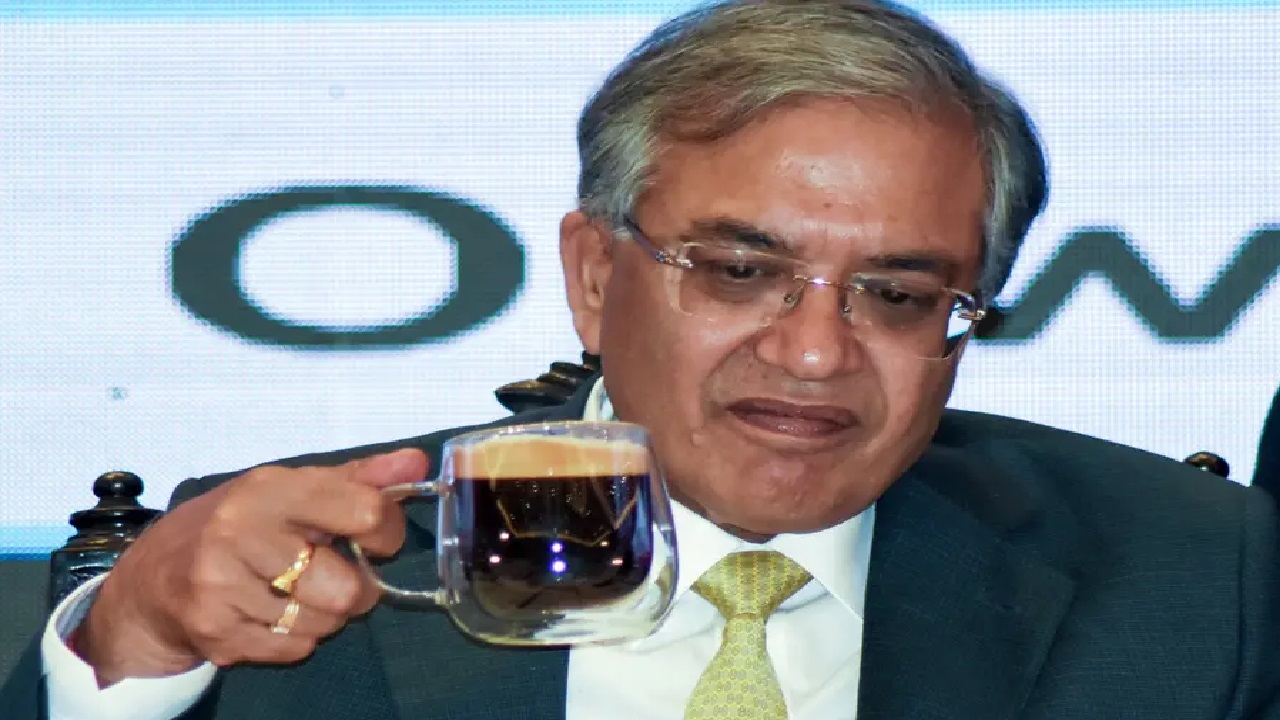
The recent defection of former Biju Janata Dal (BJD) Rajya Sabha MP Amar Patnaik to the Bharatiya Janata Party (BJP) has sent ripples through Odisha’s political circles. Once a trusted aide and articulate face of Naveen Patnaik’s party, Amar Patnaik’s decision to join the BJP is more than an individual move—it’s a signpost of a deeper realignment in the state’s power structure. His exit lays bare the widening cracks within the BJD, a party that dominated Odisha’s politics for nearly 24 uninterrupted years, and underscores the BJP’s steady rise as the new political powerhouse.
From BJD Loyalist to BJP Strategist: The Political Turn
Amar Patnaik was among the BJD’s most visible and credible leaders—serving as its IT Cell head, spokesperson, and a policymaker known for his measured intellect and technocratic approach. His defection, framed publicly as a desire to “serve under Prime Minister Narendra Modi’s vision,” has deeper undertones. Sources within the BJD hint at internal disagreements, a growing sense of marginalization, and lack of space for fresh political ideas.
Patnaik’s move is both symbolic and strategic. It comes at a time when the BJP is consolidating power in Odisha following its sweeping 2024 victory that ended two decades of BJD dominance. His switch provides the BJP not only a respected face but also insider knowledge of the BJD’s organizational machinery—an advantage the party intends to deploy in upcoming electoral battles.
The Fall of an Empire: BJD’s Long Reign and Rising Discontent
For over two decades, Naveen Patnaik’s leadership defined Odisha’s politics, with welfare-driven governance and regional pride making the BJD a symbol of stability. Flagship schemes like Mission Shakti and KALIA secured strong rural support, while Patnaik’s clean image ensured broad loyalty.
However, the 2024 elections changed the narrative. The BJP’s sweeping victory shattered the BJD’s aura of invincibility, triggering dissent and a series of defections from side-lined leaders. Amar Patnaik’s exit stands as the most prominent sign of this internal erosion, casting doubt on the BJD’s ability to stay united against an increasingly assertive BJP.
The Nuapada Bypoll: First Test of the New Power Equation
All eyes are now on the upcoming Nuapada bypoll scheduled for November 11, 2025—Odisha’s first major electoral contest since the BJP’s rise. The bypoll, now a three-way battle among the BJP, BJD, and Congress, has taken on outsized political importance. For the BJP, it’s an opportunity to prove that its 2024 performance was not a one-time wave but a sustained shift in voter sentiment. For the BJD, it’s a test of whether its traditional networks and local connect can withstand the pressure of desertions and disillusionment.
Amar Patnaik’s entry into the BJP camp is expected to boost the party’s intellectual and policy credentials while energizing its narrative of change. Conversely, his departure leaves the BJD grappling with questions of leadership transition, ideological clarity, and organizational renewal.
A Defection that Defines a New Era
Amar Patnaik’s defection represents more than a personal political decision—it captures the essence of Odisha’s evolving political reality. The BJD, once an emblem of continuity, now faces the challenge of reinvention amid internal cracks and an ascendant BJP determined to consolidate its new base. The Nuapada bypoll will serve as the first litmus test of this transformation. Whether the BJD regains its footing or the BJP cements its dominance, one fact stands clear: Amar Patnaik’s move has redrawn Odisha’s political map and signaled the arrival of a new era of competition, ambition, and change.
(With agency inputs)