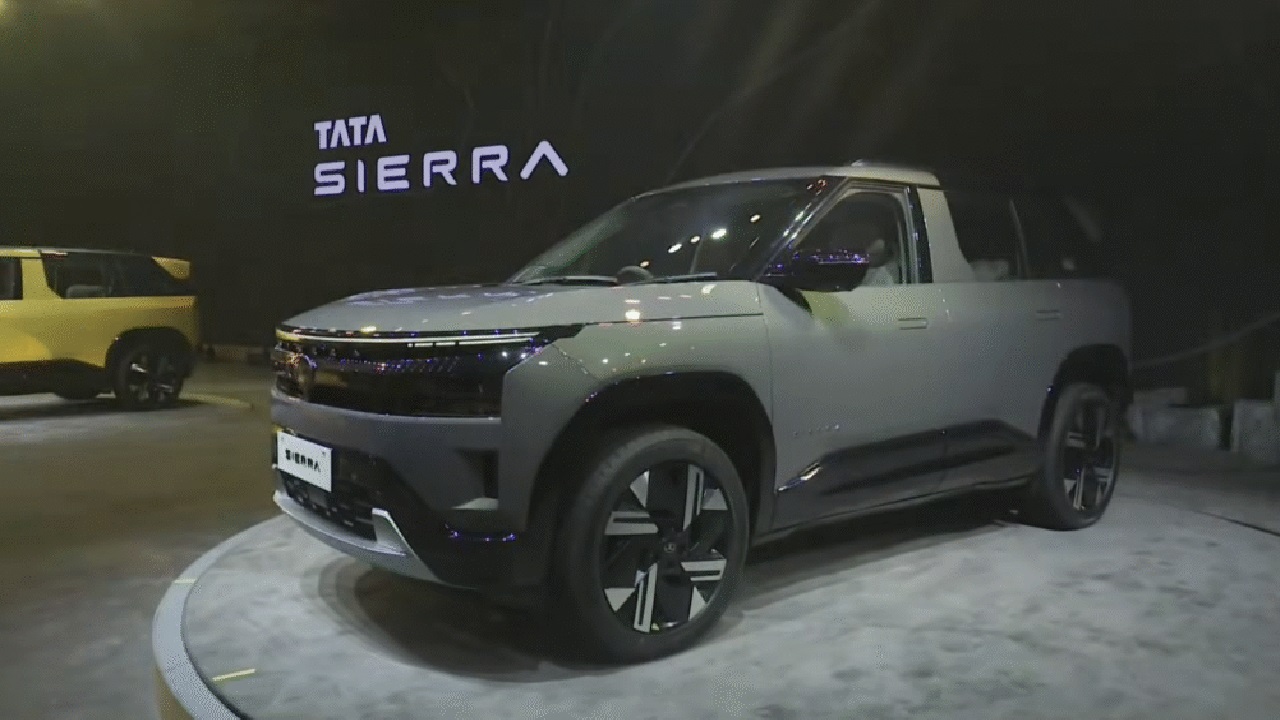
In November 2025, Tata Motors revived its legendary Sierra nameplate with the launch of a mid-sized SUV aimed at India’s competitive SUV segment. The Sierra, absent from the market since 2003, re-emerges blending rugged, iconic styling with modern technological features. Highlights include ventilated and powered front seats, dual-zone climate control, 360-degree camera views, air purifiers, wireless charging, and advanced connected car technology. With ex-showroom prices starting at ₹11.49 lakh, the Sierra targets the premium mid-sized SUV category, directly challenging stalwarts like Hyundai’s Creta and Suzuki’s Victories.
Tata’s Rising Market Clout
Tata Motors has demonstrated impressive momentum in recent years. By September 2025, its market share in India’s passenger vehicle segment reached 13.9%, nearly tripling from 5% in 2019. This growth reflects a strategy focused on SUVs and electric vehicles (EVs), with successful launches including the Nexon, Punch, and Curvv in both internal combustion and EV variants. Tata sold over 573,000 passenger vehicles in FY2024, achieving 6% year-on-year growth—a clear indication of broad market acceptance and expanded consumer reach.
Competitive Landscape
The launch of the Sierra, however, occurs amid intensifying competition. Mahindra & Mahindra is aggressively expanding its EV portfolio with models like the XUV.9e and BE.6e, leveraging its SUV legacy. JSW-MG Motor India is also gaining traction, particularly with the Windsor EV, its best-seller in late 2024. Hyundai India continues innovation in compact and mid-sized SUVs, including electric variants supported by global investments, while Suzuki’s Victoris maintains strong brand recognition and a vast dealership network.
Analysts note that Tata’s Sierra faces not only established incumbents but also nimble EV entrants, making brand differentiation, technology, and pricing critical for sustained market impact.
Factors Driving Market Appeal
India’s SUV market is one of the fastest-growing segments, fueled by rising disposable incomes, urbanisation, and a shift toward vehicles offering higher seating and road presence. The Sierra leverages brand nostalgia, Tata’s reputation for reliability, and feature-rich offerings at competitive pricing, positioning it as a strong contender for both traditional SUV buyers and tech-savvy urban consumers.
Operational and Strategic Challenges
Tata must navigate rising component costs, marketing expenses, and inventory pressures, alongside the complexities of its upcoming commercial vehicle-passenger vehicle demerger. Regulatory uncertainties and increasing market fragmentation in EV segments further complicate execution. Sustained innovation, strategic pricing, and effective EV integration will be essential for maintaining momentum.
Reviving a Legacy Amid Fierce Competition
The Sierra’s launch signals Tata Motors’ intent to consolidate and expand its market leadership, capitalising on both heritage appeal and modern technological integration. While competition from Mahindra, Hyundai, JSW-MG, and Suzuki is formidable, Tata’s focus on innovation, brand loyalty, and expanding EV offerings positions it to strengthen its presence in India’s dynamic and rapidly evolving SUV market. The Sierra is not just a nostalgic revival—it is a calculated move to secure Tata Motors’ long-term relevance in the premium mid-sized SUV segment.
(With agency inputs)