A Major Boost for Pakistan’s Airpower
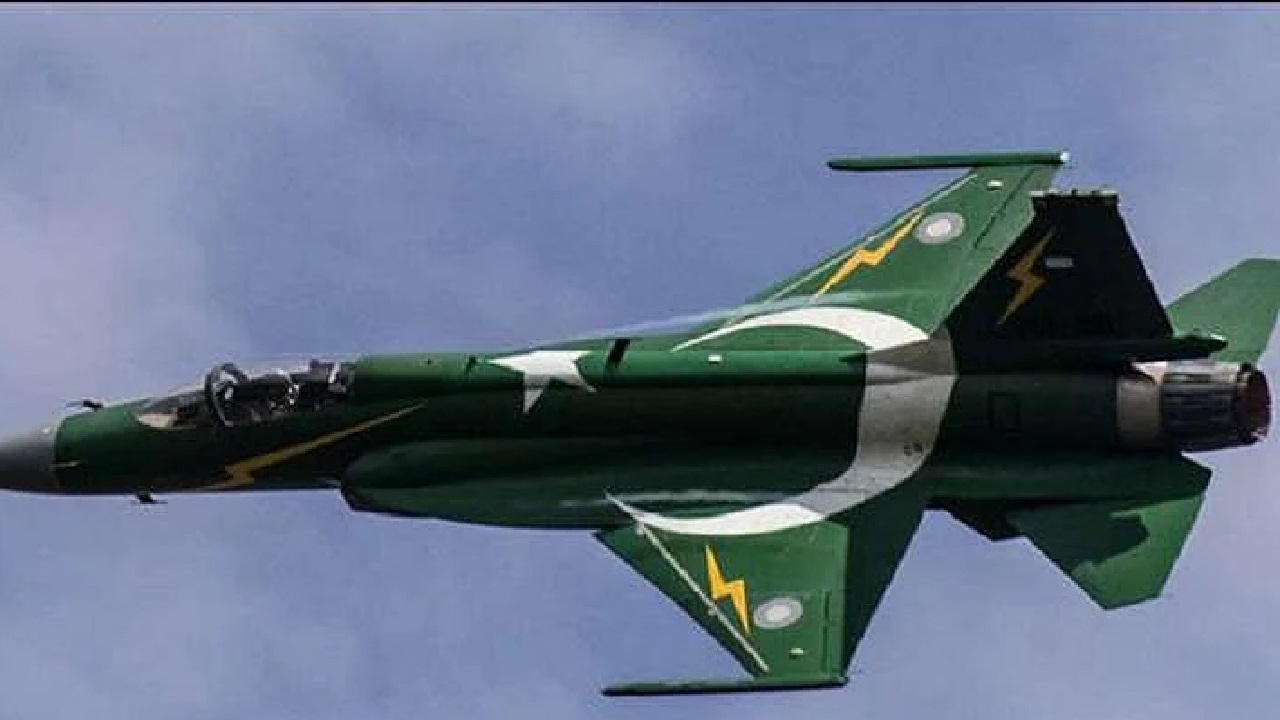
The United States has approved a $686‑million package to modernize Pakistan’s existing F‑16 fleet, marking the most significant upgrade to the aircraft in years. Unlike a fresh procurement, this initiative focuses on enhancing networked capabilities, situational awareness, and survivability of the jets, extending their operational life into the 2040s. The announcement comes amid renewed US engagement with Islamabad, even as India watches closely for potential regional ramifications.
Details of the Upgrade Package
The Defense Security Cooperation Agency (DSCA) notified Congress on 8 December that Pakistan will receive modernization for Block‑52 and mid‑life upgrade F‑16s. Of the total, $37 million is classified as Major Defense Equipment, while $649 million covers hardware, software, training, and long-term fleet support. Lockheed Martin will oversee implementation, and no additional US personnel deployment is expected.
Key components include:
· Link‑16 Tactical Data Links: Upgrading 92 aircraft to enable jam‑resistant, real-time communication with US and NATO-standard platforms.
· Advanced IFF and Avionics: Enhancing target discrimination and coalition interoperability.
· Cryptographic Gear: AN/APQ‑10C devices to secure communications.
· Test Ordnance and Safety Upgrades: Six inert MK‑82 bomb bodies for integration testing, plus life-extension measures.
· Training and Logistics: Comprehensive support for pilots, ground crews, and fleet maintenance.
The DSCA frames the deal as strengthening counterterrorism cooperation, maintaining interoperability, and reducing Pakistan’s incentive to seek alternative Russian or Chinese jets.
Strategic Implications for India
While Washington insists the sale does not alter the “basic military balance,” the upgrades do present nuanced challenges for India.
· Enhanced PAF Networked Capabilities: Link‑16, modern IFF, and improved avionics improve Pakistani situational awareness, complicating IAF planning in contested airspace.
· Operational Longevity: Life-extension ensures Pakistan retains a high-end fighter for decades, allowing it to continue precision strike and air-defense roles.
· Interoperability With US Forces: Pakistan’s F‑16s will integrate more seamlessly with US networks during joint exercises or contingencies, indirectly shaping regional operational dynamics.
India’s planners will likely intensify efforts in:
· Counter-network and electronic warfare: Developing jamming, deception, and cyber tactics against PAF data links.
· Indigenous and high-end fleet expansion: Accelerating Tejas Mk‑1A/Mk‑2, AMCA, Rafale upgrades, and integrated air-defense systems to preserve qualitative edge.
· Diversifying procurement: Exploring French, UK, and Japanese platforms to reduce reliance on US technology and mitigate political risk.
Politically, the upgrade also rekindles trust concerns. Even as the US courts India, sustaining Pakistan’s frontline fleet signals a dual-track approach, reinforcing India’s perception that critical deterrence must remain anchored in self-reliance and diversified sources.
A Qualitative Shift, not a Quantitative Leap
The $686‑million F‑16 upgrade strengthens Pakistan’s existing air combat capabilities without expanding the fleet or adding new munitions. For India, the main impact is qualitative: improved PAF situational awareness, enhanced interoperability, and an extended operational window for high-end fighters. Strategically, it reinforces India’s imperative to continue modernizing its own airpower, diversify defense partnerships, and maintain technological autonomy. While the deal does not disrupt the regional balance in quantitative terms, it underscores the enduring need for India to anticipate incremental adversary capability enhancements, maintain vigilance, and ensure its deterrence posture remains robust.
(With agency inputs)