A Strategic Negotiation Unfolds
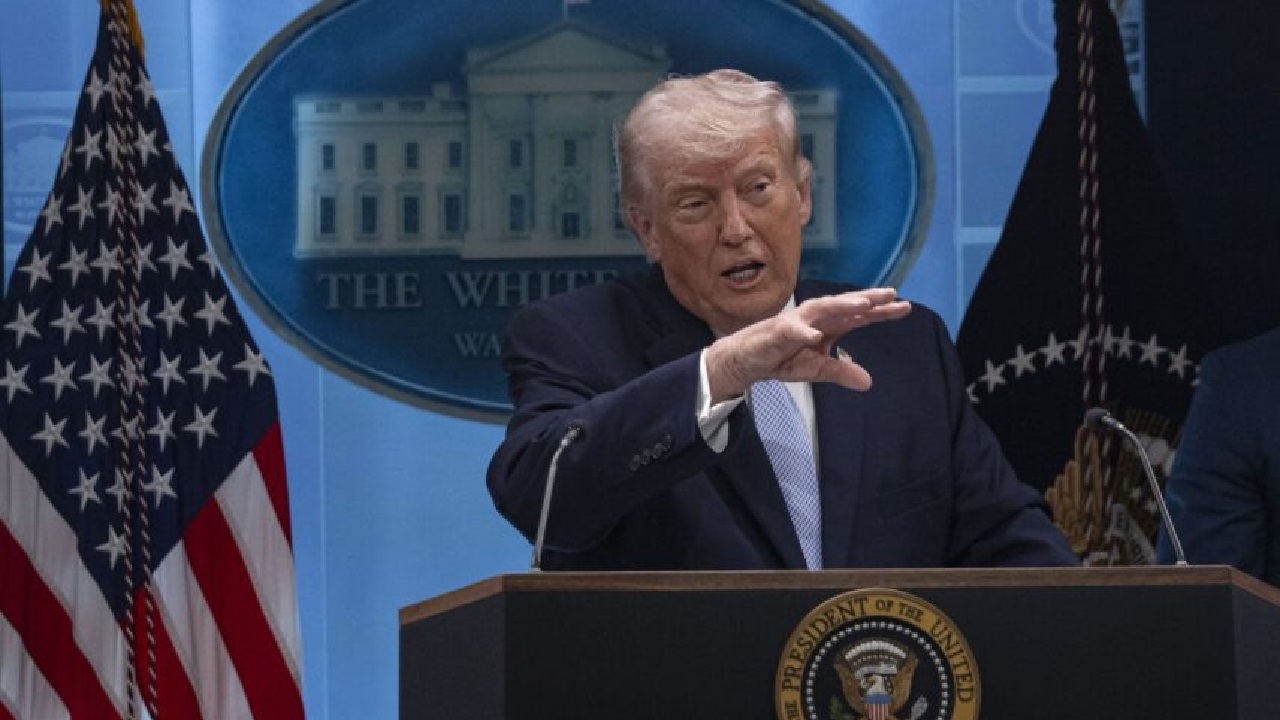
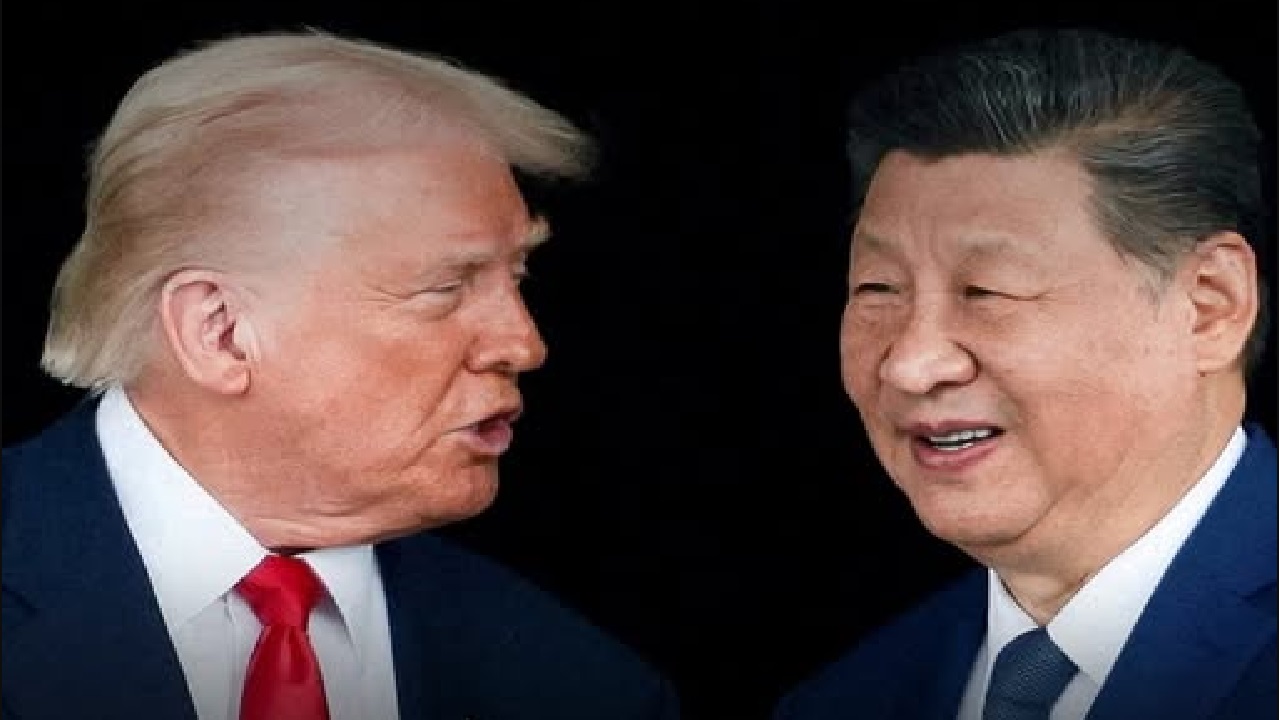
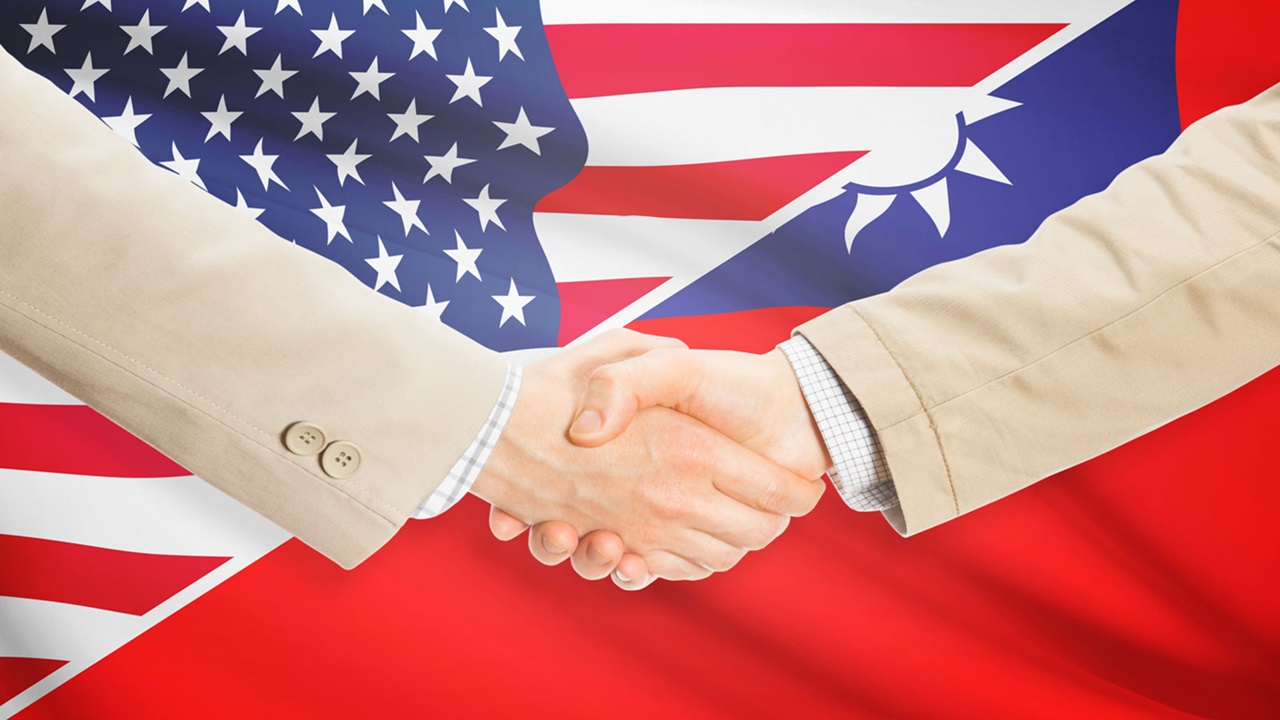
The Trump administration is negotiating a landmark trade agreement with Taiwan aimed at boosting American investment while addressing the urgent need for skilled domestic workers in high-tech sectors. Central to the talks is TSMC’s historic $165 billion commitment to establish semiconductor operations in the United States—the largest direct foreign investment in US history. The deal envisions Taiwan easing the 20% tariff on US exports while embedding workforce development programs to ensure that American labor can sustain cutting-edge manufacturing technologies.
Taiwan’s Semiconductor Dominance Meets US Opportunity
Taiwan controls nearly 50% of the global semiconductor market, with TSMC leading as the world’s largest contract chipmaker. While Taiwan has unmatched technical expertise, the US faces a shortage of highly skilled workers capable of operating advanced semiconductor facilities. The trade negotiations are designed to bridge this gap by incentivizing Taiwanese firms to increase capital investment in US operations and implement skills transfer programs that train American employees under the guidance of experienced Taiwanese experts. This dual strategy promises both a long-term competitive edge and enhanced national security through domestic semiconductor manufacturing.
Tariffs, Trade, and Technology Collaboration
The negotiations are also motivated by tariffs that have affected bilateral trade. Since August 2025, a 20% duty on Taiwanese exports to the US has hindered the flow of critical components. Taiwan seeks tariff reduction or elimination to improve export efficiency while simultaneously fostering technology collaboration. The agreement, if finalized, would integrate economic incentives with workforce readiness, allowing Taiwan to expand semiconductor operations in the US and American workers to gain specialized skills in modern factory environments.
Addressing US Labor Shortages
Trump’s approach reflects a broader strategic imperative: revitalizing US manufacturing while securing global supply chains. The inclusion of foreign experts to train domestic workers is a pragmatic solution to the current labor shortage in advanced manufacturing. By combining investment, technology transfer, and workforce development, the administration aims to strengthen the domestic semiconductor ecosystem, ensure long-term competitiveness, and reduce reliance on overseas supply chains.
Implications for Global Trade and Industrial Policy
This potential agreement goes beyond a conventional trade deal. It represents a fusion of economic growth and strategic industrial policy, balancing Taiwanese investment incentives with American workforce development priorities. Successful implementation could set a precedent for future bilateral agreements that prioritize not only trade but also technology leadership, skills development, and supply chain security.
A Blueprint for Competitiveness
The US-Taiwan trade negotiations mark a critical juncture in global technology and trade relations. By potentially lowering tariffs, securing massive foreign investment, and embedding workforce training commitments, the agreement could accelerate US industrial capability, sustain competitiveness in semiconductors, and ensure strategic supply chain resilience. Beyond economics, the deal underscores a pragmatic model for blending international collaboration with domestic capacity building—a blueprint for future high-tech trade partnerships.
(With agency inputs)