RBI Governor Explains Future of UPI Transaction Charges
India’s Unified Payments Interface (UPI) continues to remain free for users and merchants in most cases, but the debate over who should bear the cost of maintaining the country’s rapidly expanding digital payments ecosystem has entered a new phase. Addressing the issue, Reserve Bank of India (RBI) Governor Sanjay Malhotra clarified that it is too early to determine whether any future charges, if introduced, would be borne by users, merchants, banks or absorbed elsewhere in the financial system. His remarks come amid discussions over a proposed legal amendment that could allow the government to reintroduce the Merchant Discount Rate (MDR) on select UPI transactions, though no final decision has yet been taken.
How UPI Became India’s Digital Payment Revolution
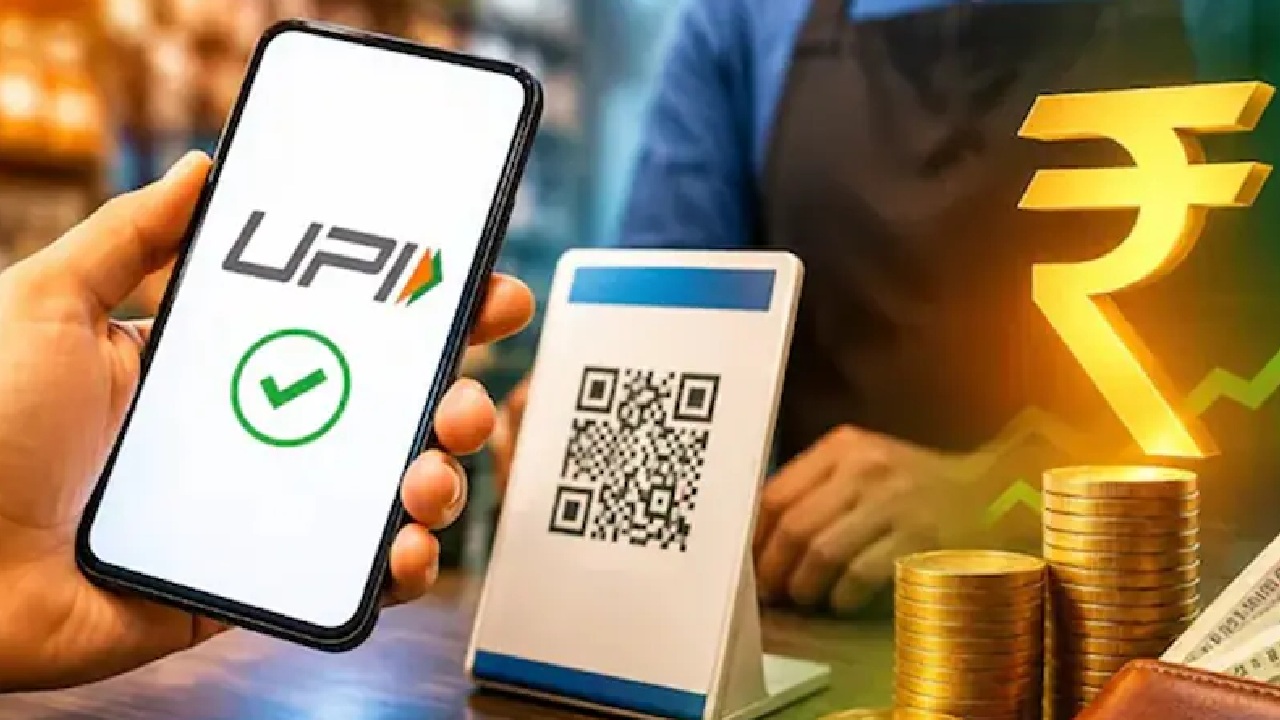
Launched by the National Payments Corporation of India (NPCI) in 2016, UPI has transformed India’s payment landscape by enabling instant, secure and interoperable digital transactions. Supported by successive government initiatives promoting a cashless economy, UPI rapidly became the world’s largest real-time payment platform, processing billions of transactions every month.
A key reason behind its widespread adoption has been the absence of transaction charges. In 2020, the government removed MDR on UPI and RuPay transactions to encourage digital payments among consumers and merchants. This policy significantly accelerated adoption across urban and rural India, making digital payments accessible even to small vendors and first-time users.
However, the exponential growth in transaction volumes has also increased the operational costs of maintaining payment infrastructure, cybersecurity systems, banking networks and technological upgrades.
The Debate Is About Sustainability, Not Immediate Charges
Governor Malhotra emphasised that digital payment systems are never truly cost-free. Even if consumers do not pay directly, someone ultimately bears the cost of developing, maintaining and securing the payment infrastructure.
His comments shift the conversation away from the simplistic question of whether UPI should remain “free” to a broader discussion about building a financially sustainable digital payments ecosystem.
The proposal currently under discussion reportedly involves allowing a small MDR on higher-value merchant transactions, possibly those exceeding ₹2,000, while person-to-person transfers could continue without charges. Smaller merchants may also remain exempt if such a framework is eventually adopted.
Importantly, neither the RBI nor the government has announced any transaction fee, implementation timeline or final policy. The legal amendment is still under examination, and all proposals remain under consultation.
Latest Developments Reflect a Careful Policy Approach
The RBI has indicated that it will wait for the government’s legislative process to progress before forming any regulatory framework around MDR. Officials recognise that any changes to UPI’s pricing model carry significant economic and political implications.
UPI today represents far more than a payment system—it has become a cornerstone of India’s digital public infrastructure and a global model for low-cost financial innovation. Any proposal to introduce even limited merchant charges is therefore likely to attract intense public scrutiny and require careful communication to avoid misconceptions that everyday digital payments are becoming expensive.
Balancing Innovation with Long-Term Financial Sustainability
The discussion surrounding UPI is ultimately about ensuring the long-term sustainability of one of India’s greatest digital success stories. Maintaining a payment network that processes billions of transactions each month requires continuous investment in technology, cybersecurity, banking infrastructure and innovation.
For now, users can continue making UPI payments without any change. However, Governor Malhotra’s remarks indicate that policymakers are beginning to examine how these growing infrastructure costs should be shared in the future. Any eventual decision will need to strike a careful balance between preserving UPI’s accessibility, protecting small businesses and ensuring that the digital payments ecosystem remains financially resilient. The challenge lies not in making UPI expensive, but in keeping it sustainable without undermining the trust and convenience that have made it an integral part of everyday life in India.
(With agency inputs)