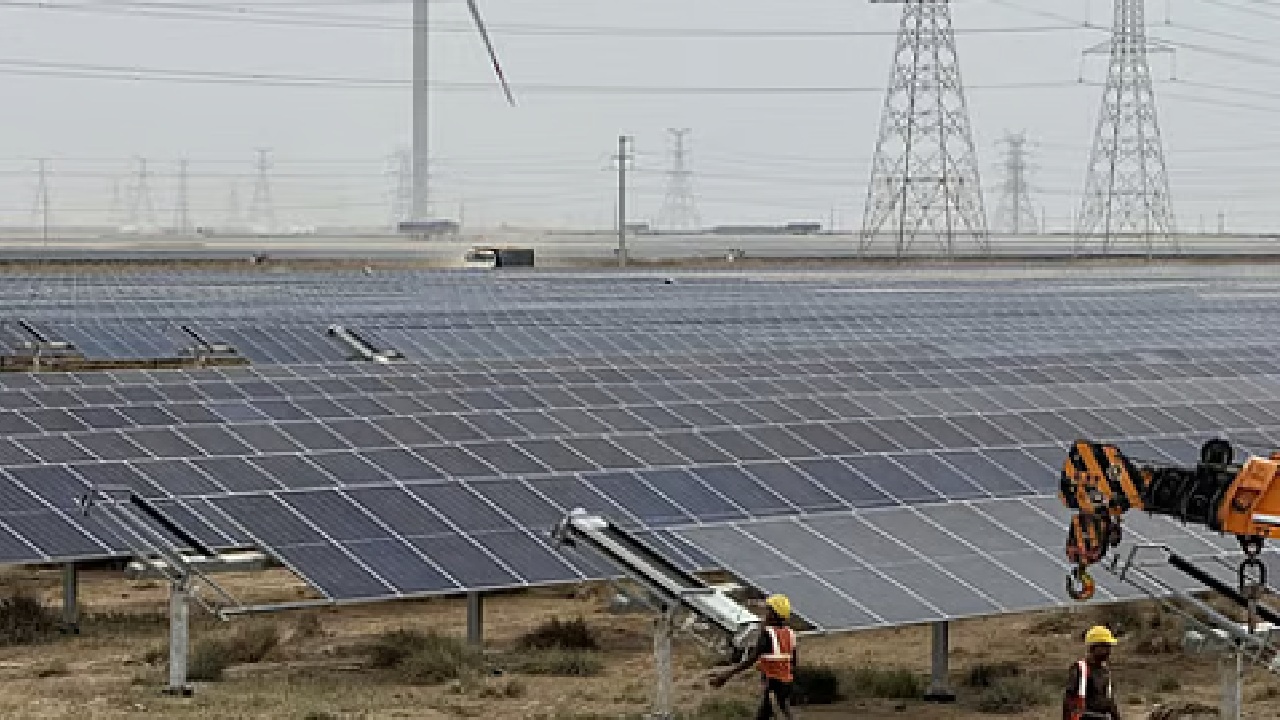
TP Northern Odisha Distribution Limited (TPNODL), the Tata Power–Odisha government joint-venture distribution company, has crossed 50,000 rooftop solar installations across its five-district service area. With cumulative connections reaching 51,004 in early September 2026, the milestone signals growing household interest in solar power and a broader shift towards decentralised and cleaner electricity consumption in northern Odisha.
A Policy Push Meets Discom-Led Execution
Rooftop solar adoption in India has historically faced barriers including high upfront costs, fragmented installation networks and delays in approvals. TPNODL’s experience suggests that these obstacles can be reduced when distribution companies actively participate in consumer outreach, application support and installation coordination.
The discom serves Balasore, Mayurbhanj, Jajpur, Bhadrak and Kendujhar, where household-level solar adoption is being supported by national and state incentives. The PM Surya Ghar: Muft Bijli Yojana has emerged as an important catalyst by substantially reducing the cost of residential rooftop systems through subsidies.
Under the scheme, eligible households can receive significant financial support, while the Utility Led Aggregation model seeks to make smaller systems accessible to lower-income consumers through discom-facilitated installation and financing.
51,004 Installations Reflect Rising Consumer Confidence
TPNODL’s 51,004 installations are distributed across its five districts, with Balasore leading with 18,559 systems, followed by Mayurbhanj with 10,824, Jajpur with 9,295, Bhadrak with 6,575 and Kendujhar with 5,751.
The numbers point to a broad-based adoption rather than concentration in a single urban centre. TPNODL attributes the growth to simpler application procedures through the national rooftop-solar portal, local execution support, dedicated consumer helpdesks and coordination with approved vendors.
The company has also used its field teams and customer touchpoints to explain the economics of rooftop solar, including potential savings, payback periods and net-metering arrangements. Such last-mile assistance can be particularly important for households unfamiliar with the technical and administrative aspects of installing solar systems.
Solar Growth Could Strengthen the Distribution Grid
The significance of the milestone extends beyond individual household savings. A large distributed solar base can contribute to reducing daytime electricity demand from the conventional grid, potentially easing pressure on distribution feeders during high-demand periods.
For northern Odisha, where rural and semi-urban consumers form a substantial part of the electricity network, rooftop generation could also support greater energy self-reliance while reducing dependence on conventional power during daylight hours.
A Model Other Discoms Could Replicate
TPNODL’s achievement offers a potentially useful template for other electricity distribution companies. Subsidies alone may not guarantee mass adoption; consumers also need simplified procedures, reliable vendors, transparent information and assistance throughout installation and approval.
The Utility Led Aggregation approach is particularly significant because it can bring rooftop solar within reach of households that might otherwise be discouraged by upfront costs or administrative complexity.
The Next Challenge Is Sustaining Solar Momentum
Crossing 50,000 installations is an important milestone, but maintaining momentum will require equal attention to quality and long-term consumer confidence. Timely subsidy payments, reliable installations, effective maintenance and stable net-metering policies will determine whether today’s rapid adoption translates into lasting benefits.
TPNODL’s achievement demonstrates that India’s clean-energy transition can move from policy ambition to household reality when incentives are matched by effective last-mile execution. The next goal should not simply be more rooftops, but a stronger, smarter and increasingly solar-powered electricity network.
(With agency inputs)