


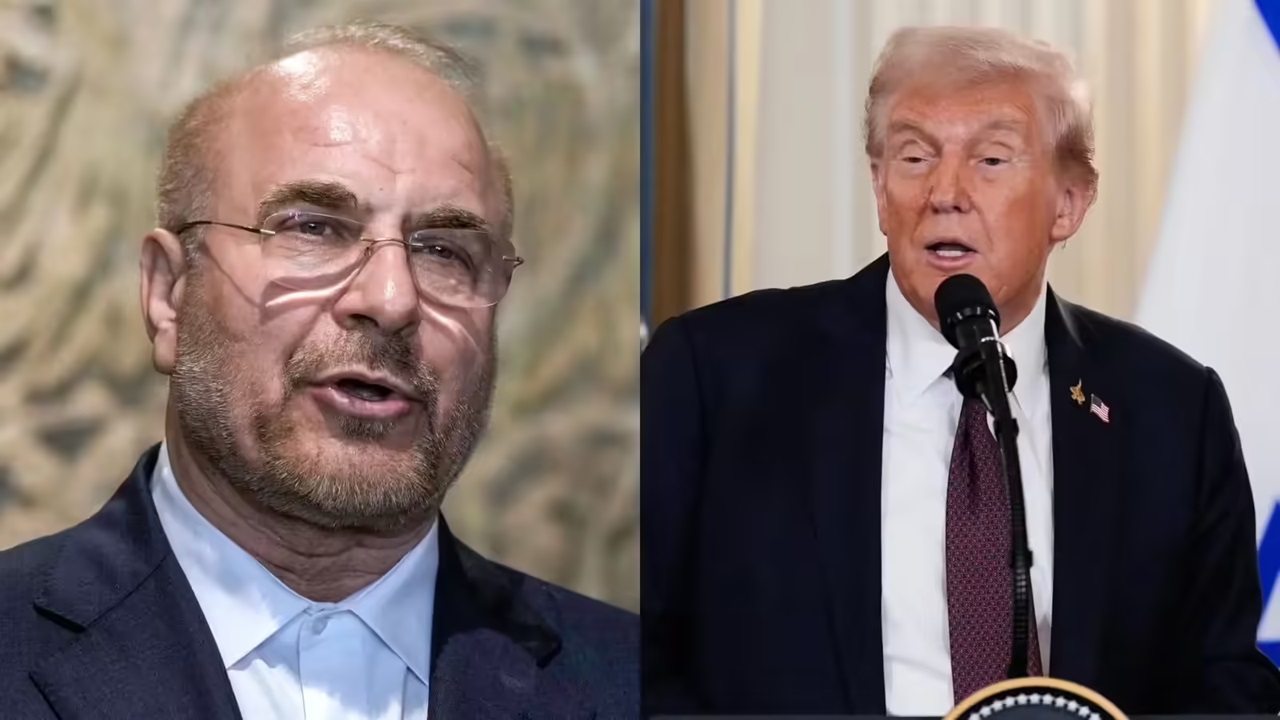
Tehran has said ‘no decision’ has been made about attending a fresh round of talks with the United States, with Iran’s foreign ministry accusing Washington of not being serious about diplomacy. The statement, citing alleged “violations” of a fragile two-week ceasefire, has cast uncertainty over whether negotiations in Islamabad will proceed as planned.
Background: A Fragile Ceasefire and Unfinished Dialogue
The first round of negotiations between the United States and Iran took place earlier this month in Islamabad, mediated by Pakistan. The marathon 21-hour session aimed to stabilise tensions around the Strait of Hormuz and reinforce a temporary ceasefire.
While both sides described the talks as constructive, no concrete breakthrough was achieved. With the ceasefire nearing expiry, the urgency for a second round has intensified, even as trust between the two sides remains low.
Iran’s Stand: Strategic Ambiguity and Rising Skepticism
Iran’s official position has been deliberately cautious. By stating that no decision has been taken, Tehran appears to be keeping diplomatic options open while simultaneously applying pressure on Washington.
Iranian officials have accused the US of inconsistent behaviour—pointing to actions such as continued maritime restrictions and incidents like the seizure of the vessel Touska. They argue that these moves undermine the spirit of the ceasefire and signal a lack of genuine commitment to diplomacy.
At the same time, Iran has reiterated key preconditions for returning to talks: easing of sanctions, release of frozen assets, and broader discussions that include regional issues beyond immediate security concerns. This suggests that Tehran is using its uncertainty as leverage rather than outright rejecting negotiations.
US Position: Mixed Signals on Leadership and Commitment
On the American side, the messaging has been more assertive but not entirely consistent. JD Vance was initially expected to lead the delegation to Islamabad, continuing his role from the first round. However, recent reports indicate that his visit is uncertain, possibly due to security concerns or shifting diplomatic calculations.
Despite this ambiguity, Washington maintains that the talks remain the only viable path forward before the ceasefire expires. Other key figures, including envoy Steve Witkoff and Jared Kushner, are expected to be involved, signalling continuity in the US approach even if leadership details remain fluid.
Pakistan’s Role: Mediator Under Pressure
As host and mediator, Pakistan finds itself in a delicate position. Having facilitated the first round, Islamabad is keen to maintain momentum and has reportedly continued preparations for multi-day talks.
Pakistan’s unique diplomatic position—maintaining communication channels with both Washington and Tehran—gives it a rare role as a neutral intermediary. However, this also places it under pressure to deliver results, as failure to bring both parties back to the table could affect its credibility.
By pushing ahead with arrangements despite Iran’s hesitation, Pakistan is attempting to keep the diplomatic window open while avoiding being seen as aligned with either side.
Between Dialogue and Deadlock
The current impasse reflects a classic pre-negotiation standoff, with each side seeking to shape the terms of engagement. Iran’s “no decision” stance acts as calculated leverage, while the US projects continuity to maintain pressure. Meanwhile, Pakistan continues to play a balancing act as mediator.
With the ceasefire deadline approaching and tensions still simmering, the coming days will be critical. Whether talks materialise or collapse, the outcome will not only determine the immediate future of US–Iran relations but also impact regional stability and global energy security.
(With agency inputs)