



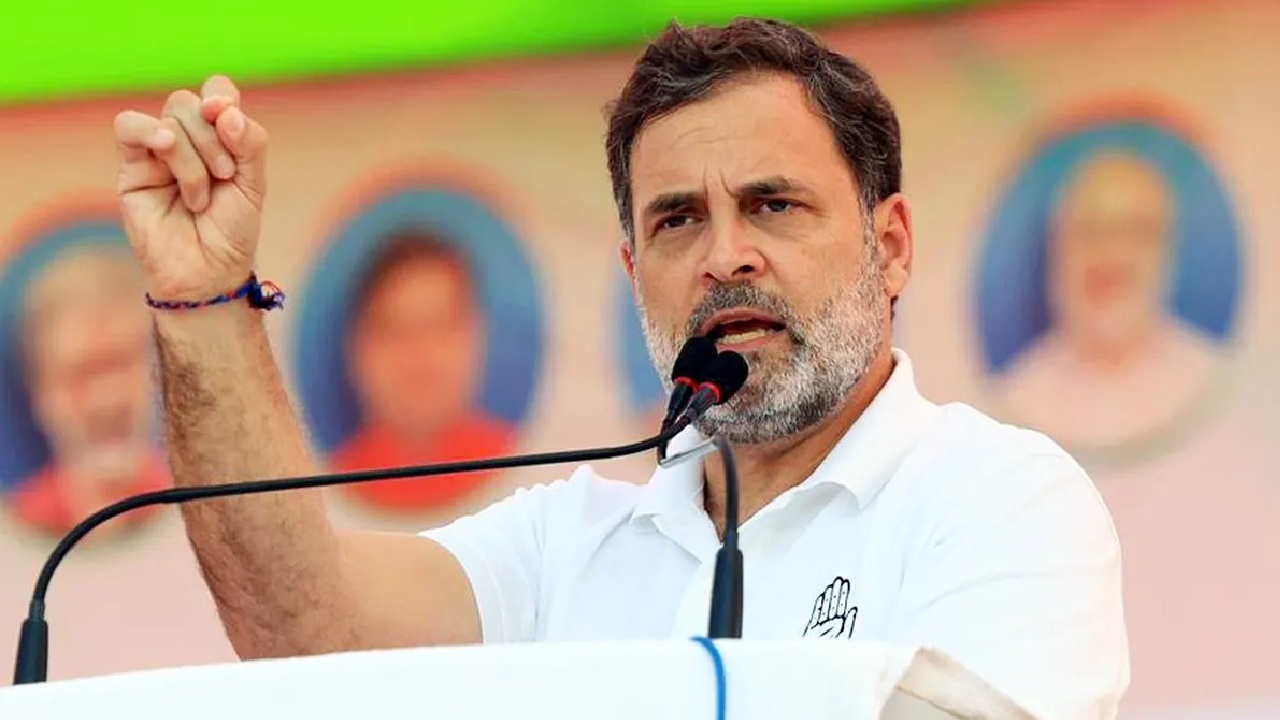
The controversy surrounding Rahul Gandhi and alleged dual citizenship has resurfaced with fresh developments in court, turning into a significant legal and political flashpoint. What began as a petition questioning his nationality has now evolved into a broader debate on judicial powers, procedural fairness, and constitutional interpretation.
The Allegations and Legal Claims
The case originates from a complaint filed by BJP worker S. Vignesh Shishir, who alleged that Rahul Gandhi held British citizenship. The claim is based on documents linked to a UK-based company, BackOps Ltd, where Gandhi was reportedly listed as a “British citizen” between 2003 and 2009.
If proven, such a status would conflict with Article 9 of the Constitution of India, which bars dual citizenship, along with provisions under the Citizenship Act and related laws. The petitioner argued that holding foreign citizenship while serving as a Member of Parliament would raise serious legal and constitutional violations.
Initially, a special MP/MLA court declined to order an FIR, stating that questions of citizenship fall within the domain of the executive, particularly the Ministry of Home Affairs. This prompted the petitioner to escalate the matter to the Allahabad High Court.
The April 17 Order: FIR Direction Sparks Debate
On April 17, a bench led by Justice Subhash Vidyarthi directed that an FIR be registered against Rahul Gandhi. The court observed that the allegations warranted investigation and suggested that either state police or a central agency like the CBI could probe the matter.
This directive was seen as significant because it treated the petitioner’s material—though not conclusive—as sufficient to initiate criminal proceedings. The order triggered immediate political and legal reactions, with supporters calling it a step toward accountability and critics questioning its procedural basis.
A Sudden Pause: The Question of Natural Justice
Within a day, however, the same bench reconsidered its stance. On April 18, the court withheld the final signed order and scheduled a fresh hearing for April 20. The key issue identified was whether a “prospective accused” should be heard before a High Court directs the registration of an FIR.
This raises important questions about the scope of judicial authority under Article 226 and the principles of natural justice. Specifically, the court is examining whether directing criminal action without hearing the concerned individual violates the right to a fair process.
What the Court Has Indicated So Far
Despite the procedural pause, the court has not dismissed the allegations. It has maintained that the claims require examination and could have serious implications if proven true. Observations made earlier suggest that holding foreign citizenship while serving as an MP would be constitutionally untenable.
However, these remarks remain provisional as the court reassesses the legal framework governing such directions.
Wider Implications: Law, Politics, and Precedent
The case carries implications beyond the individual involved. Legally, it could define the limits of High Court intervention at the pre-FIR stage and clarify whether due process requires hearing the accused beforehand.
Politically, the issue revives a long-standing line of attack against Rahul Gandhi, previously raised by figures like Subramanian Swamy. It also feeds into broader narratives about accountability and political rivalry.
A Test of Process as Much as Proof
The Rahul Gandhi dual citizenship case is no longer just about verifying allegations—it has become a test of how the legal system balances investigation with fairness. The High Court’s final decision will not only shape the trajectory of this case but could also set a precedent for handling similar disputes involving high-profile individuals. At its core, the outcome will reflect how India’s judicial system navigates the delicate line between scrutiny and due process.
(With agency inputs)