India has expressed deep concern over a recent maritime security incident in the Strait of Hormuz, where two Indian-flagged vessels came under fire while transiting the narrow but crucial global oil corridor. The episode has triggered diplomatic friction, highlighting the fragile balance between regional geopolitics and global energy security.
The Incident: Warning Shots and Forced Retreats
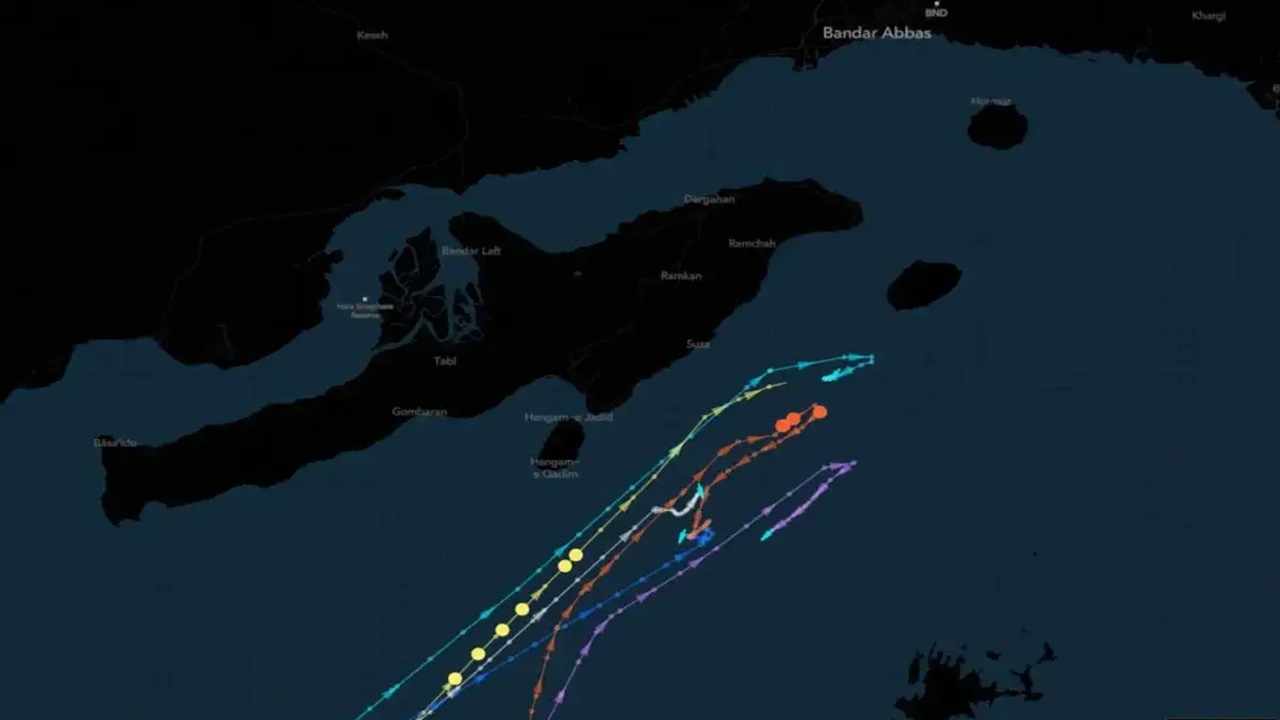
On April 18, two Indian-flagged tankers—Sanmar Herald and Jag Arnav—were confronted by gunboats belonging to Iran’s Islamic Revolutionary Guard Corps (IRGC) near Larak Island. The vessels, attempting to pass through the strait following a recent ceasefire reopening, were met with aggressive radio warnings, including commands to “Turn back now!” Warning shots were fired, forcing both ships to reverse course despite prior navigation clearances.
One of the tankers was carrying approximately two million barrels of Iraqi crude bound for India. Although no casualties were reported, the incident affected at least 14 Indian vessels operating in the region. Another ship, Desh Garima, managed to cross later without incident, suggesting inconsistency in enforcement. Distress calls from the captains revealed confusion and concern over contradictory instructions and unclear operational protocols.
What Triggered the Firing? Iran’s Justification
Iran attributed the confrontation to what it described as violations of a ceasefire agreement by the United States, particularly continued port blockades despite the declared reopening of the strait. According to Iranian authorities, these alleged violations necessitated stricter oversight of maritime traffic.
The IRGC stated that vessels failing to comply with new directives—including rerouting, priority passage rules, and potential fees—could be considered as cooperating with hostile entities. Iran’s Supreme National Security Council labeled the measures as retaliatory and temporary, aimed at safeguarding national security interests.
Compounding the situation was the presence of both U.S. and Iranian naval forces following the April 17 reopening, leading to overlapping jurisdictions and operational confusion. This dual presence appears to have contributed significantly to the miscommunication experienced by commercial vessels.
Iran’s Diplomatic Tone: Assurances Amid Tension
Following India’s formal protest on April 19, Iranian Ambassador Mohammad Fathali was summoned. In response, he emphasized the strength of bilateral ties and clarified that Indian ships would not be subject to tolls or discriminatory treatment.
Iran reiterated that the measures were temporary and expressed regret over the “misunderstandings,” while maintaining that its security protocols were justified under current circumstances. The messaging appeared calibrated to ease tensions without conceding operational control.
India’s Response: Firm Yet Measured
India’s Ministry of External Affairs underscored that international waterways must remain open and free for unimpeded navigation. Foreign Secretary Vikram Misri called for de-escalation, while Indian naval assets in the Gulf of Oman continue to monitor the situation closely.
The Directorate General of Shipping is tracking affected vessels, and India has warned of consequences should such incidents recur. At the same time, New Delhi is carefully balancing its strategic relationship with Iran against its commitment to maritime law and energy security.
A Fragile Corridor with Global Stakes
The Strait of Hormuz, through which nearly 20% of the world’s oil flows, remains a geopolitical flashpoint. For India—one of the largest energy importers—the stakes are particularly high. While Iran’s reassurances have temporarily eased tensions, the looming expiry of the ceasefire and continued regional volatility pose ongoing risks.
India’s push for multilateral de-escalation reflects a broader need to stabilize this vital corridor. Ultimately, ensuring safe and predictable passage through the strait is not just a bilateral concern, but a global imperative.
(With agency inputs)