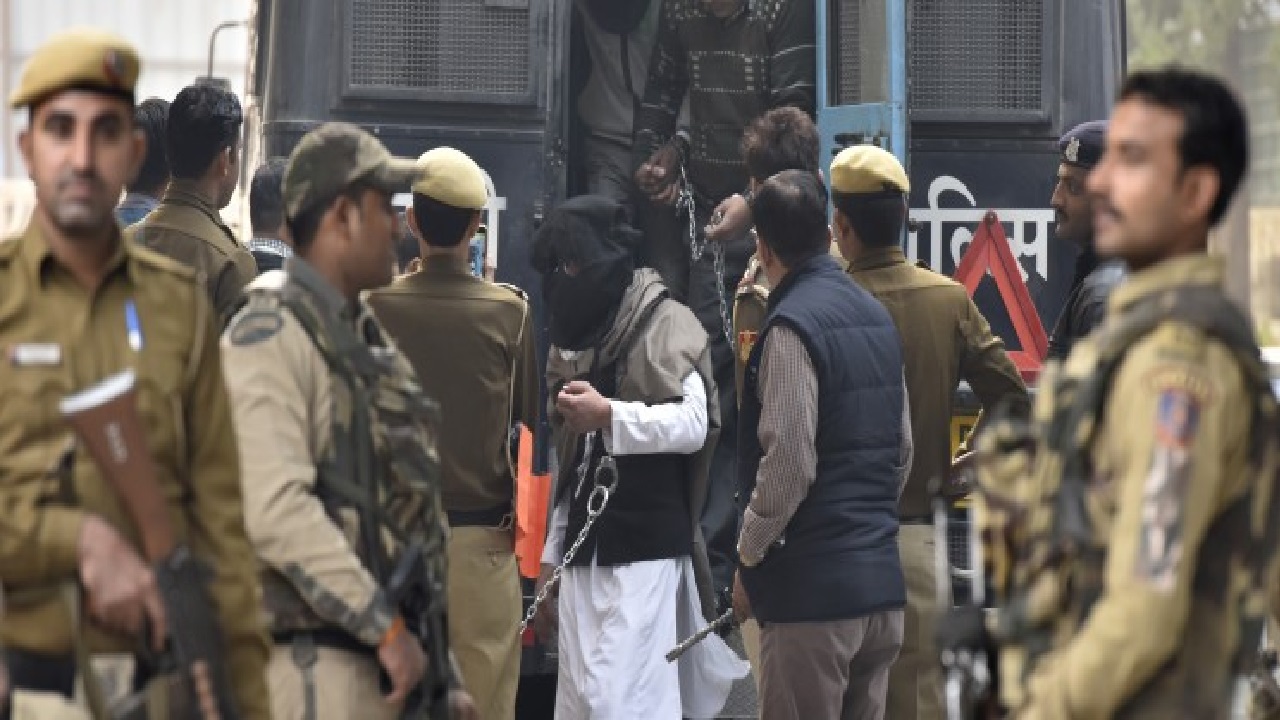
In a decisive counter-terrorism operation, the Delhi Police Special Cell has successfully dismantled an ISIS-linked terror module, arresting two operatives planning a suicide attack in the national capital just ahead of Diwali. The coordinated crackdown in Delhi and Madhya Pradesh prevented what authorities described as a high-impact bombing attempt targeting crowded public spaces, marketplaces, and festive gatherings, underscoring the persistent threat of transnational jihadist networks operating within India.
The Plot and Operatives
The suspects, identified as Adnan (Delhi) and Adnan (Bhopal), were reportedly in the final stages of constructing an improvised explosive device (IED). Intelligence inputs from agencies including the NIA (National Investigation Agency) and Intelligence Bureau revealed that both were radicalised online through encrypted messaging platforms. One suspect was receiving remote guidance from ISIS’s Khorasan faction, indicating a structured terror network rather than isolated actors.
Police investigations uncovered reconnaissance reports of high-footfall locations, including a South Delhi mall and park, earmarked for potential Diwali attacks. Seized items included digital devices, IED components, a wristwatch-linked timer, mobile circuits, and videos pledging allegiance to ISIS.
“Their technical preparedness, rapid radicalisation, and foreign mentorship indicate a coordinated ISIS module,” said Pramod Kushwaha, Additional Commissioner of Police (Special Cell).
A Growing Pattern Across India
This arrest marks the second major ISIS-related crackdown in recent months. In September 2025, Delhi Police had apprehended five operatives across Delhi, Jharkhand, Madhya Pradesh, and Telangana linked to a “Ghazwa-e-Hind” ISIS-inspired plot. In Kerala, the NIA and state Anti-Terror Squad neutralized a sleeper cell planning attacks on places of worship, while ongoing investigations in Pune and southern India had earlier targeted members returning from Indonesia who fabricated explosives prototypes.
The arrests of high-profile suspects, including NIA’s most wanted Shahnawaz, highlight the nationwide network of operatives scouting urban, coastal, and academic targets, and recruiting new members under foreign guidance.
Evolving Threat Landscape
Officials emphasize that ISIS-inspired threats in India are increasingly digitally driven, with online radicalisation being the primary tool for recruiting youth. Funding often flows through cryptocurrency and covert channels, complicating tracking efforts. In response, Delhi Police and federal agencies have heightened surveillance at metros, bus terminals, malls, and other crowded public spaces, deploying additional explosives-detection units.
“India remains a target for ideological infiltration more than physical infiltration,” noted a senior NIA analyst. “Timely intelligence and coordinated action have prevented multiple mass-casualty incidents this year.”
Vigilance and Coordination as Key Defenses
The swift dismantling of the ISIS-inspired module ahead of Diwali highlights the efficacy of India’s counter-terror mechanisms, particularly multi-state coordination between Delhi Police, NIA, and intelligence agencies. While investigations continue to trace residual networks and financial links, the operation reinforces India’s message of zero tolerance toward terrorism.
As festival crowds resume normalcy, authorities stress the importance of public vigilance and robust security protocols, demonstrating that even highly sophisticated, foreign-directed terror plots can be intercepted before civilian lives are endangered. The bust serves as a reminder that sustained intelligence-sharing and rapid operational response remain India’s strongest tools against evolving terror threats.
(With agency inputs)