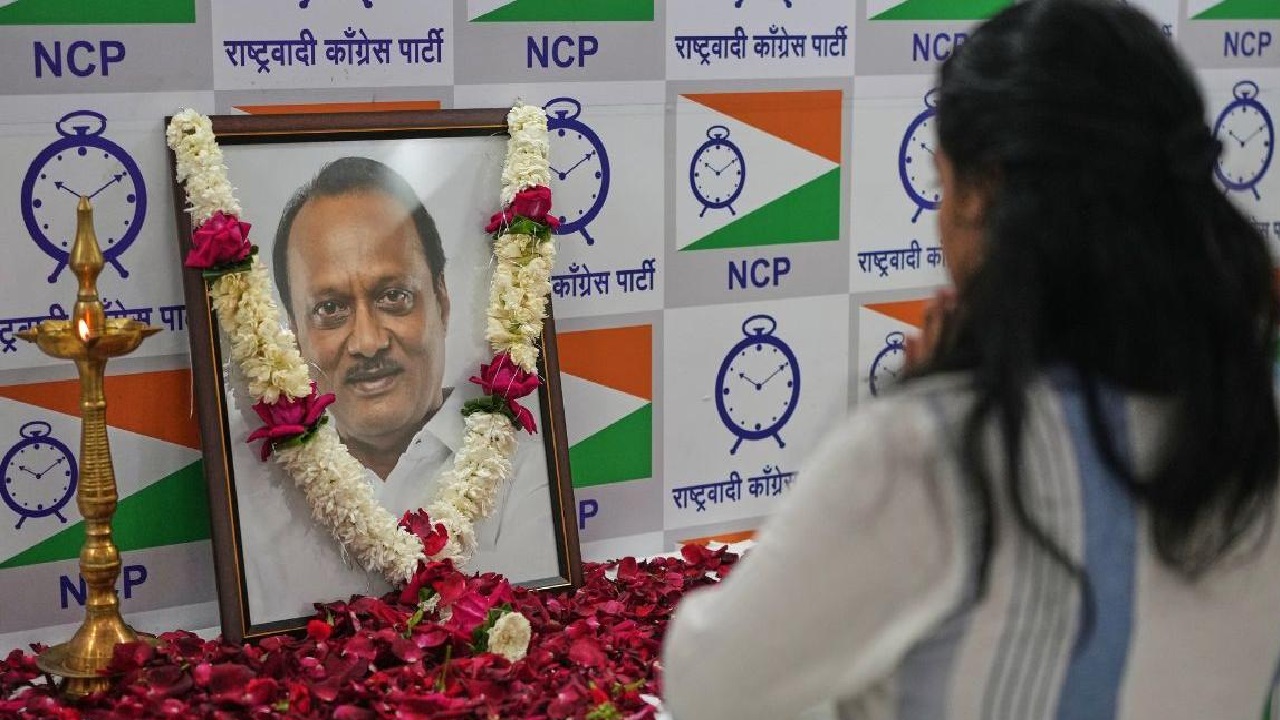
A Tragedy That Shocked the State
Maharashtra awoke to disbelief on January 28, 2026, when news broke that Deputy Chief Minister Ajit Pawar had died in a devastating aircraft accident at Baramati airport. The chartered Learjet 45 carrying Pawar from Mumbai for a day of local campaign engagements failed to stabilize during its second landing attempt shortly before 9 a.m. Witnesses reported the aircraft swaying dangerously before skidding off the runway and erupting into flames. Pawar, along with his security officer, an aide, and the two-member cockpit crew, was killed instantly. Authorities grounded traffic at the airport as emergency services moved in, while the Directorate General of Civil Aviation initiated a technical investigation. Maharashtra announced three days of official mourning, reflecting the scale of the loss.
From Baramati to the Corridors of Power
Ajit Pawar’s political journey was inseparable from Baramati, the constituency that defined his public life. Born on July 22, 1960, into an agrarian family, he entered politics through student activism before contesting his first Assembly election in 1991. As the nephew of Nationalist Congress Party (NCP) founder Sharad Pawar, Ajit was often viewed through a dynastic lens, yet he carved out a reputation as an assertive administrator in his own right. Early leadership roles in district governance and repeated ministerial stints—particularly in agriculture and irrigation—cemented his image as a leader deeply invested in rural Maharashtra.
Authority, Controversy, and Political Calculus
Over three decades, Pawar emerged as one of the state’s most formidable strategists. His stewardship of irrigation projects reshaped farming belts and expanded the cooperative economy, earning him loyal support among sugarcane growers. At the same time, allegations surrounding irrigation contracts and financial dealings kept him under persistent scrutiny, reinforcing a public persona that blended decisiveness with controversy. The 2023 split within the NCP marked a defining turn: Pawar’s decision to break with his uncle and align with the BJP-led coalition elevated him to Deputy Chief Minister, but also deepened factional divides within the party.
Reactions Across the Political Spectrum
The response to Pawar’s death underscored his far-reaching influence. Within the NCP, grief cut across factional lines. Supriya Sule described the loss simply as “devastating,” while leaders from rival camps acknowledged the void his absence would create. Prime Minister Narendra Modi expressed profound sorrow, noting Pawar’s strong grassroots connect and long public service. President Droupadi Murmu and Defence Minister Rajnath Singh echoed these sentiments, emphasizing his contributions to Maharashtra’s development. State leaders, including Chief Minister Eknath Shinde, recalled decades of collaboration, while figures such as Mamata Banerjee urged a thorough investigation into the crash even as they offered condolences. Messages also arrived from regional chief ministers, business leaders, and administrators nationwide.
An Unfinished Chapter
Ajit Pawar’s death leaves Maharashtra without one of its most consequential—and polarizing—figures. Admired for administrative command, criticized for hard-edged politics, he embodied the contradictions of modern state leadership. As investigations continue and succession questions loom within the NCP, Pawar’s legacy will be debated for years. What remains indisputable is that his sudden passing has altered the political landscape, closing a chapter defined by ambition, resilience, and an unyielding grip on power.
(With agency inputs)