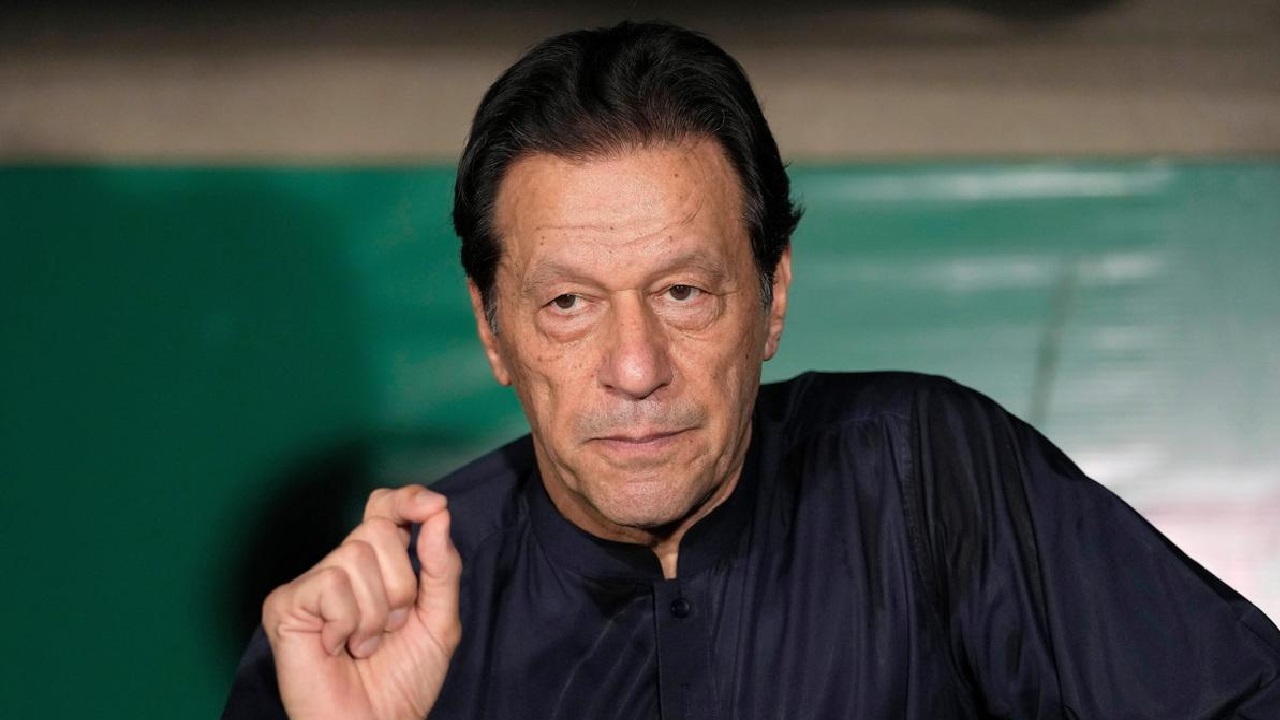
A rare show of unity across borders has emerged as former cricket captains from India and beyond voice concern over the health and detention conditions of Pakistan’s jailed ex-prime minister and World Cup-winning captain Imran Khan.
A Humanitarian Appeal Beyond Rivalry
Former Indian captains Sourav Ganguly and Mohammad Azharuddin have joined Kapil Dev and Sunil Gavaskar in urging humane treatment for jailed Pakistan leader Imran Khan. The appeal, backed by former international captains, underscores growing concern within the global cricket community over Khan’s deteriorating health and prolonged incarceration.
The intervention reflects a broader humanitarian impulse within cricket’s fraternity, where former rivals have set aside political divides to call for adequate medical care, family access, and dignified treatment.
A Political Prisoner with a Sporting Legacy
Khan, 73, has been in custody since August 2023 after being ousted from power in April 2022 through a parliamentary no-confidence vote. Since then, he has faced multiple convictions in corruption, secrecy, and legal cases, many of which his Pakistan Tehreek-e-Insaf (PTI) party claims are politically motivated. Sentences handed down in 2024 and 2025—including in the Toshakhana, cypher, and Al-Qadir Trust cases—mean he faces years in prison, though several terms run concurrently.
While legal battles continue, attention has increasingly shifted to Khan’s health, with supporters and international observers questioning prison conditions and access to specialist medical treatment.
What Specific Health Issues Is Imran Khan Facing in Prison?
Reports from lawyers, family members, and political allies indicate several health concerns:
Severe Vision Impairment:
Khan is said to have lost up to 85 percent of vision in his right eye due to retinal vein occlusion, a condition caused by blocked blood flow in the retina. His legal team claims symptoms went untreated for months, accelerating deterioration and raising fears of permanent blindness without specialist care.
Psychological Stress and Isolation:
Extended confinement, limited interaction, and restricted family visits have reportedly caused significant psychological strain. Supporters describe periods of near-solitary conditions and reduced social contact, contributing to emotional distress.
General Health Concerns:
At 73, Khan is also vulnerable to age-related ailments exacerbated by prison conditions. Reports cite poor ventilation, extreme temperatures, and inadequate medical facilities. There have been allegations of recurring food-related illness and inadequate diet, though prison authorities contest these claims.
Khan’s lawyers have sought medical bail and access to independent specialists, arguing that continued incarceration without proper treatment risks long-term health consequences.
Cricket Diplomacy and Political Implications
The appeal by former cricket captains carries symbolic weight. Khan remains a revered figure in world cricket for leading Pakistan to the 1992 World Cup and for his broader sporting legacy. That Indian and international players have spoken out suggests a rare convergence of moral concern that transcends geopolitics.
Politically, the intervention amplifies PTI’s narrative of victimisation while increasing international scrutiny on Pakistan’s judicial and prison systems. It also reflects the enduring soft-power influence of cricket, where sporting icons can shape global discourse on humanitarian issues.
Between Law and Humanity
Imran Khan’s case sits at the intersection of law, politics, and humanitarian concern. While legal proceedings will determine his political future, the growing chorus from the cricketing world highlights a separate imperative: ensuring dignity and adequate medical care for an ageing prisoner. Whether the appeals translate into improved treatment remains uncertain, but they underscore a powerful message—sporting legacies can still mobilise global attention and empathy, even amid fraught political realities.
(With agency inputs)