A Shockwave Through Reliance Group
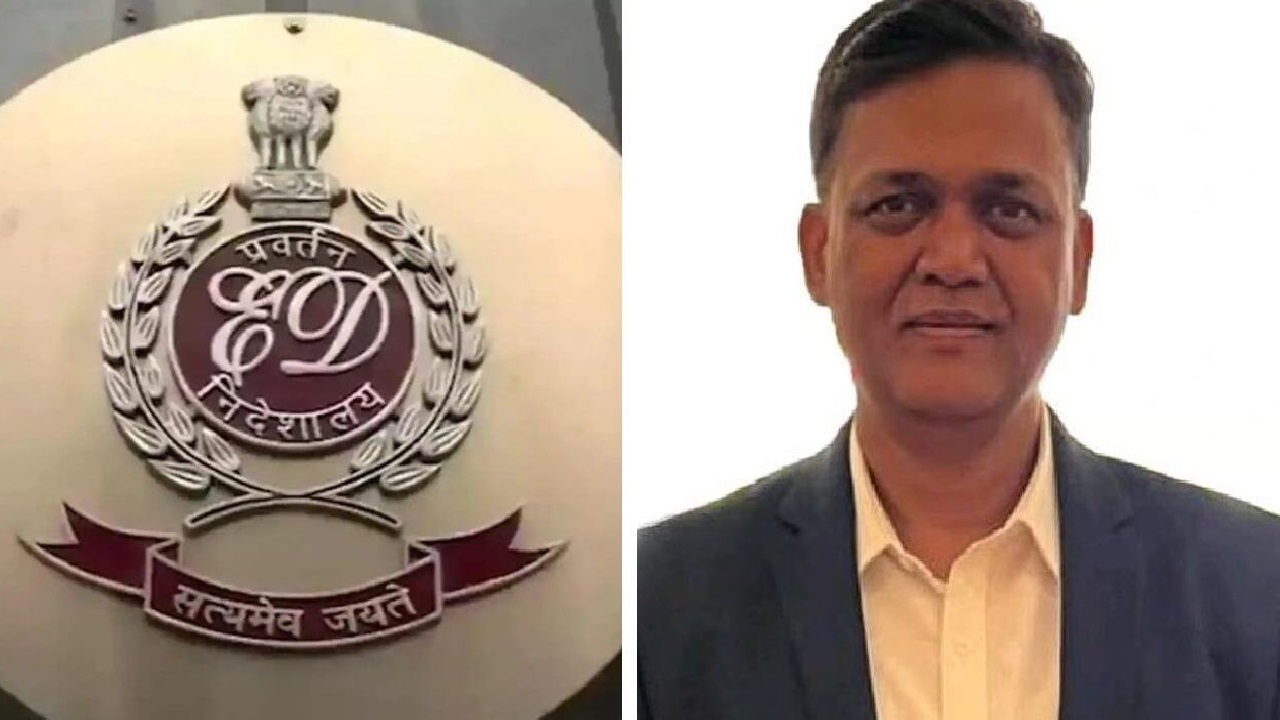
A late-night arrest has rattled the corporate corridors of one of India’s most prominent conglomerates. The Enforcement Directorate (ED) on Friday, October 10, 2025, took into custody Ashok Pal, Chief Financial Officer of Reliance Power Limited (RPL), in connection with an alleged ₹68-crore fake bank guarantee scam.
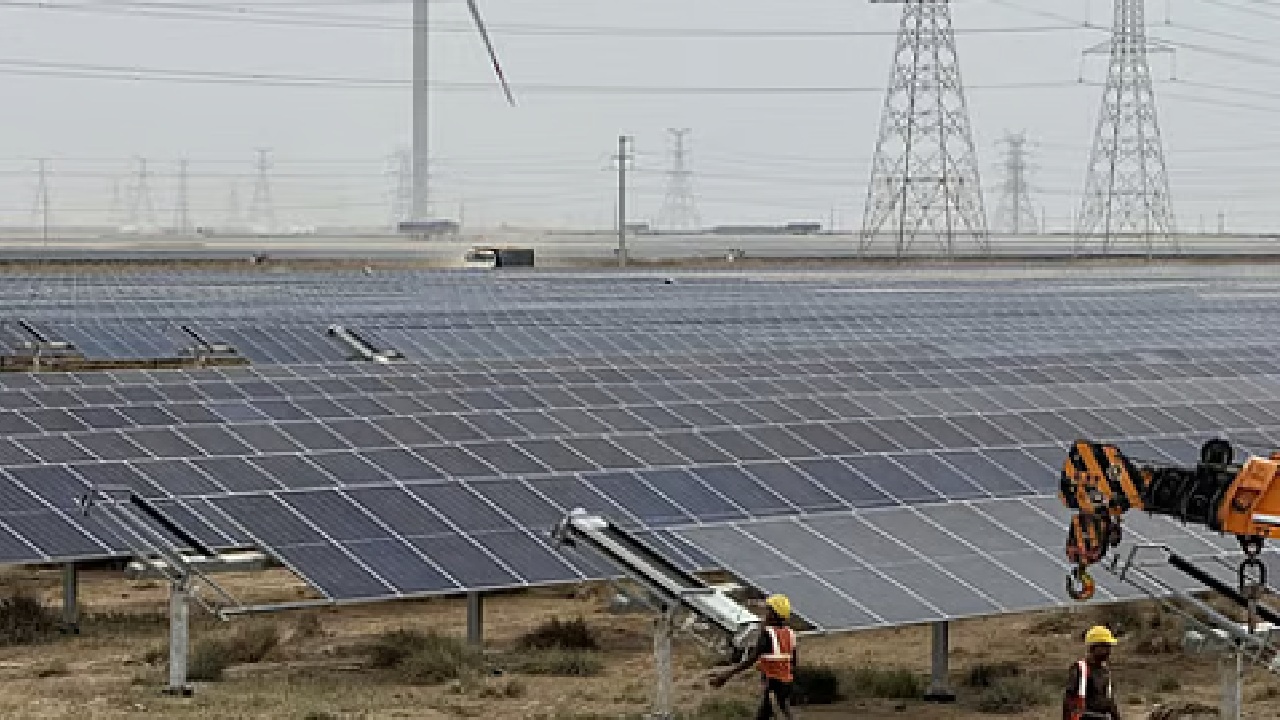
The arrest, made under the Prevention of Money Laundering Act (PMLA), follows hours of questioning at the agency’s Delhi office. The case, tied to RPL’s participation in the Solar Energy Corporation of India’s (SECI) Battery Energy Storage System tender, is the latest chapter in what investigators describe as a “deliberate scheme to defraud” using forged financial instruments.
The Case: Fake Guarantee and Fund Diversion Alleged
According to the ED, the probe centers around the submission of a bogus bank guarantee (BG) worth ₹68 crore to SECI, purportedly to qualify for a solar energy tender. Investigators allege that Ashok Pal, who was empowered by the company’s board to handle such transactions, “played a crucial role” in planning, executing, and concealing the fraud.
The agency claims Pal orchestrated the selection of Biswal Tradelink Pvt. Ltd. (BTPL) — a little-known firm operating from a residential address — to procure the fake BG. BTPL’s director, Partha Sarathi Biswal, already in judicial custody, is accused of running a “forged instrument racket” that supplied counterfeit guarantees using spoofed email domains resembling legitimate Indian banks.
The alleged guarantee, attributed to FirstRand Bank, Manila, raised immediate red flags since no branch of the bank exists in the Philippines. The ED has described this as a glaring example of deception and negligence, indicating a “complete bypass of vendor diligence.”
The Modus Operandi: A Digital Web of Deceit
Investigators believe that the fake BG network relied on cloned bank domains — near-identical versions of official websites — to trick clients and regulators. Domains such as lndianbank.in, pnblndia.in, and unionbankoflndia.co.in used minor letter substitutions (“l” instead of “i”) to appear authentic in correspondence.
Through these counterfeit digital fronts, fraudulent documents were circulated and verified electronically. According to ED sources, Biswal and his associates coordinated through encrypted messaging platforms such as Telegram and WhatsApp, bypassing corporate compliance tools and established accounting systems like SAP.
The agency contends that the forged BGs were part of a larger effort to divert company funds, using false documentation and backdated approvals. “The scale of manipulation points to a carefully structured conspiracy,” said an ED official involved in the case.
Corporate Response: Reliance Denies Involvement
Reliance Power, in a statement to stock exchanges, maintained that it is a victim of fraud rather than a participant. The company disclosed that it had filed a complaint with the Delhi Police’s Economic Offences Wing as early as October 2024, after discovering a suspicious bank guarantee related to the SECI tender.
Following that complaint, police registered an FIR in November 2024. “The company and its subsidiaries acted bona fide and have been victims of fraud, forgery, and a cheating conspiracy,” RPL stated.
Amid the controversy, Ashok Pal has stepped down from his roles as Executive Director and CFO “to assist the investigation.” Reliance Power also clarified that Anil D. Ambani — often associated with the group’s public identity — “has not been on the company’s board for over three and a half years and has no connection to the matter.”
Legal Proceedings: Next Steps
After his arrest, Pal was presented before a special PMLA court, which granted the ED two days’ custody for interrogation. He is scheduled to be produced again on Monday, October 13, as investigators seek to trace the money trail and identify additional collaborators in the fake BG network.
Meanwhile, Biswal’s questioning has revealed that his company operated as a “paper entity” used for multiple fraudulent transactions, including fake transport invoices and offshore routing of funds.
Corporate Governance Under the Scanner
The arrest of a top executive from a publicly listed company underscores the increasing scrutiny of financial accountability in India’s corporate sector. While Reliance Power maintains its innocence, the incident exposes serious lapses in vendor verification and compliance mechanisms across large enterprises.
As the investigation unfolds, the episode stands as a stark reminder: in an era of digital finance and global bidding, corporate diligence and ethical oversight remain the first lines of defense against deception.
For Reliance Power — and the broader business community — the case may well become a defining test of transparency, trust, and corporate governance in India’s evolving financial landscape.
(With agency inputs)