


A City in Shock: The Powai Hostage Standoff
On October 30, 2025, Mumbai’s usually bustling suburb of Powai was shaken by a chilling incident that blurred the line between desperation and danger.
Rohit Arya, a 50-year-old man, lured 17 children and two adults into RA Studio under the guise of a film audition—only to turn it into a hostage crisis.
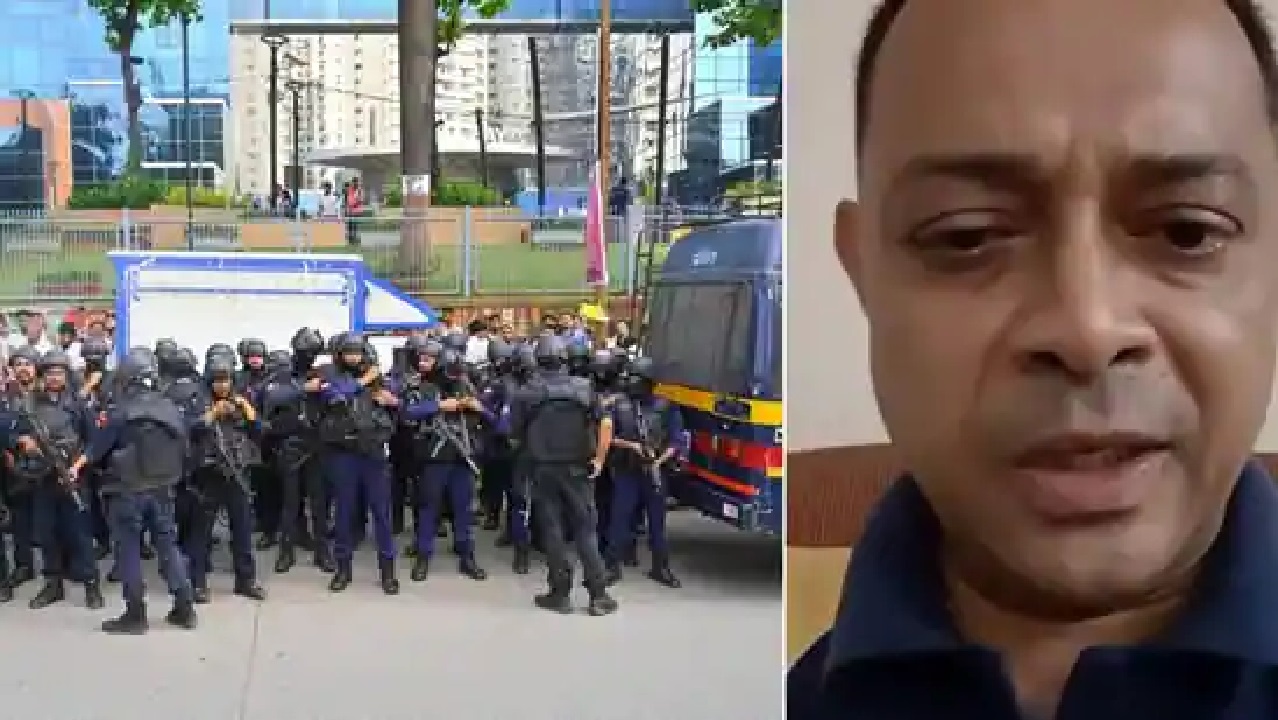
Once inside, Arya locked the doors, armed himself with an air gun, and posted an unsettling video declaring he was “not a terrorist” but wanted a “conversation” with authorities. For nearly two hours, negotiators from Mumbai Police tried to calm him down. As tensions escalated, Arya threatened arson and fired shots toward officers.
In a decisive and heroic intervention, police commandos stormed the studio, rescuing all hostages unharmed. Arya was shot in the chest during the exchange and later succumbed to his injuries in hospital. Eyewitness accounts and official investigations confirmed the necessity and restraint of the police action, given the imminent threat to children’s lives.
Behind the Outburst: Grievance, Delusion, and Decline
Arya’s violent act did not arise from nowhere. His self-recorded video revealed deep-seated anger toward Maharashtra’s school education ministry, accusing it of withholding ₹2 crore allegedly owed to him from a “Swachhata Monitor” project. He had previously staged hunger strikes, claiming moral motives and non-violence.
However, police inquiries found no official record supporting his claims. Mental health experts later suggested that Arya was likely suffering from severe psychological distress, fueled by a sense of injustice and isolation. His transition from protester to hostage-taker reflected a dangerous spiral—one where personal grievance met untreated mental illness.
The fact that he successfully enticed children through a fake film audition highlights a troubling urban gap in child safety protocols and event verification. It exposed how easily well-meaning families and institutions can be misled by unverified opportunities.
Key Lessons: Building a Safer and More Responsive Society
1. School, Parent, and Venue Vigilance
Urban India must urgently tighten screening and oversight for events involving children.
· Rigorous background checks for organizers and mandatory ID verification should be non-negotiable.
· Venues hosting minors must install CCTV surveillance, panic buttons, and establish direct police contact protocols.
· Schools and parents alike must prioritize digital literacy and awareness, teaching children to recognize red flags in audition or recruitment offers.
2. Mental Health and Grievance Response
Arya’s breakdown underscores the cost of neglected mental health.
· Authorities should strengthen community-level mental health access through outreach clinics and counselling hotlines.
· A responsive grievance redressal mechanism can defuse escalating frustration—especially among individuals who feel ignored by bureaucracy.
3. Law Enforcement Preparedness
· Mumbai Police’s professionalism deserves recognition, but the crisis also reinforces the need for evolving protocols.
· Negotiation-first strategies must remain central, supported by embedded mental health professionals in emergency teams.
· Every police firing incident should undergo mandatory magisterial review to ensure transparency and sustain public confidence.
4. Digital and Social Media Monitoring
· Arya’s video plea circulated online before the standoff escalated. Faster flagging and analysis of such content could avert similar threats.
· AI-assisted monitoring of distress signals and potential threats should be integrated into urban policing systems.
From Crisis to Collective Responsibility
The Powai hostage crisis is a sobering reminder of how personal despair, systemic gaps, and urban vulnerabilities can converge into tragedy. That all 19 hostages survived is a testament to Mumbai Police’s composure and courage—but prevention must now become the real victory.
As cities grow denser and social pressures rise, public safety cannot rest solely on enforcement. It must expand to include mental health care, community awareness, and digital vigilance. The Powai episode calls for empathy as much as security—showing that a safer society is built not just on stronger walls, but on stronger understanding, connection, and care.
(With agency inputs)