Shockwaves Across India and the World
A deadly car explosion near Delhi’s historic Red Fort on November 10, 2025, claimed eight lives and injured at least 20 others, sending shockwaves through India and eliciting global condemnation. The blast, targeting one of the capital’s most symbolic sites, reignited concerns over national security while prompting urgent domestic and international responses. Key countries, including the United States, United Kingdom, France, Sri Lanka, and Morocco, voiced condolences and issued warnings to their citizens, underscoring the serious implications of the incident.
The Delhi 10/11 Blast: A Targeted Attack
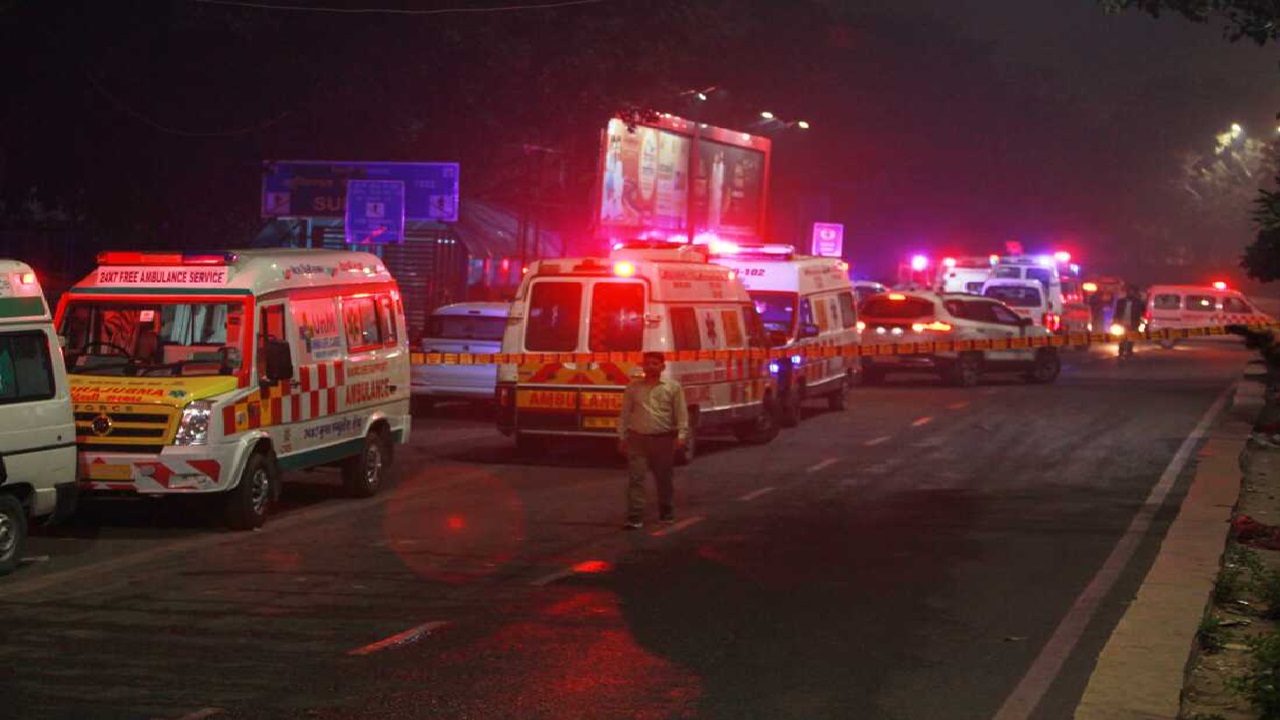
The explosion occurred in a white Hyundai i20 parked near the Lal Quila Metro Station, adjacent to the Red Fort, one of Delhi’s busiest tourist and historical landmarks. Multiple vehicles were engulfed in flames, and panic swept the area as commuters and residents scrambled to safety. Emergency teams, including fire tenders and medical personnel, responded swiftly, but the human and infrastructural toll was significant.
Delhi Police, in coordination with the National Investigation Agency (NIA), immediately classified the incident as an act of terror, registering a case under the Unlawful Activities Prevention Act (UAPA). Forensic reports suggest the use of high-grade explosives, likely ammonium nitrate, indicating a premeditated and sophisticated operation aimed at a symbolic and high-traffic location.
Investigation and Suspect Profile
Multiple suspects have been detained, including the owner of the car used in the blast. Authorities are exploring links to a separate seizure of 350 kilograms of explosives and AK-47 rifles connected to terror modules. Alarmingly, two doctors—one from Jammu and Kashmir and another from Haryana—have been arrested for allegedly aiding the storage and distribution of explosives.
Investigators are combing through CCTV footage, interviewing witnesses, and conducting raids across Delhi and neighboring states. The intelligence-led probe aims to dismantle the network behind the attack and prevent further incidents, while law enforcement agencies have enhanced security measures at strategic sites nationwide.
Global Condemnation and Security Advisories
The blast prompted international outrage. World leaders from France, Sri Lanka, Morocco, and others expressed condolences and solidarity with India’s citizens. The United States and United Kingdom escalated their security alerts: the US Embassy urged American nationals to avoid crowded areas and follow local advisories, while the UK government advised vigilance at sensitive sites, reflecting fears of potential follow-up attacks.
These reactions underline the global recognition of the Red Fort attack as not merely a domestic tragedy but a matter of international concern, emphasizing the shared responsibility in countering terrorism.
Government Response and Public Assurance
The Indian government acted decisively: security was reinforced at landmarks, transport hubs, and markets, and intelligence agencies intensified surveillance of suspected groups. Prime Minister Narendra Modi and Home Minister Amit Shah visited the site, expressing grief and solidarity with victims’ families while pledging a zero-tolerance policy toward terrorism.
Authorities are coordinating with international partners to strengthen border security and share intelligence, while public awareness campaigns encourage citizens to report suspicious activity, reflecting a multi-layered approach to national security.
Vigilance and Resolve Amid Tragedy
The Red Fort blast is a stark reminder of India’s ongoing security challenges. The arrests of suspects with links to professional networks highlight the evolving nature of terror threats. Yet, the swift government action, combined with global condemnation and cooperation, offers a measure of reassurance.
While the investigation unfolds, India’s reinforced security apparatus and diplomatic outreach demonstrate a commitment to protecting citizens, safeguarding national landmarks, and countering extremism. The incident, though tragic, has galvanized both domestic and international resolve, reinforcing the shared global stand against terrorism.
(With agency inputs)